
Custom Steel Casting Manufacturer in China
鋼鉄鋳造サービス
Supro MFG provides custom steel casting services for OEM buyers who need carbon steel and alloy steel parts from drawing review to batch production. Our team reviews material grade, process route, heat treatment, machining allowance, surface finish and inspection requirements before quotation.
Typical projects include valve bodies, pump housings, construction machinery brackets, mining wear parts, agricultural equipment, hydraulic components and heavy-duty structural castings where strength, weldability or impact resistance matters.
- Carbon steel and alloy steel cast parts for OEM industrial applications
- Steel sand casting, resin sand, shell mold and investment casting routes
- CNC machining, heat treatment, surface finishing and inspection support
- Drawing-based quotation with material, machining and inspection review
25年以上
custom casting experience
0.5-2,000 kg
Part Weight
Carbon + Alloy
Material Route
CNC + Heat Treatment
Secondary Ops
ISO Review
Quality System
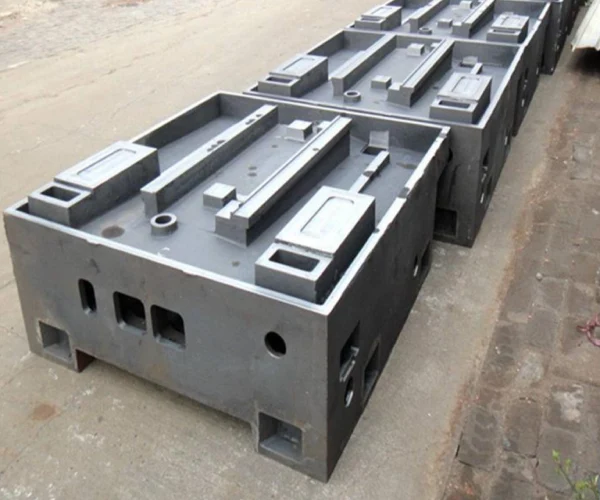
Steel Casting : Metal casting for various fields of application.
Supplier Screening
Steel Casting Capability Sheet for Early RFQ Review
Use this capability sheet to decide whether your steel casting project is likely to fit our foundry route. The open items are intentionally left for drawing review instead of being turned into unsupported promises.
| Steel Route | Common Project Use | Engineering Notes | RFQ Reminder |
|---|---|---|---|
| Carbon Steel Casting | General machinery parts, brackets, housings, frames, links and structural components that need better strength than cast iron. | Often reviewed when cost, weldability, machinability and normal mechanical strength are balanced. | Confirm grade standard, load condition, machining areas and whether 熱処理 is required. |
| Alloy Steel Casting | Wear-related parts, heavy-duty components, mining parts, construction machinery and impact-loaded components. | Alloy route should be reviewed with hardness, toughness, wear, heat treatment and inspection requirements. | Send target mechanical properties, hardness range, application load and inspection standard. |
| Steel 砂型鋳造 | Larger steel castings, low-to-medium volume projects, housings, frames, brackets and heavy machinery components. | Useful when part size, tooling flexibility and post-casting machining matter more than fine as-cast detail. | Confirm part weight, 肉厚, tolerance expectation, machining allowance and inspection report needs. |
| Steel 精密鋳造 | Smaller precision steel parts, hardware, valve parts, brackets and detailed components requiring better surface quality. | Consider when geometry detail, repeatability and as-cast surface quality are more important than large-part flexibility. | Send tolerance requirements, visible surfaces, machining areas and annual volume before process confirmation. |
Not sure whether steel, iron or stainless is the right route? Send your drawing for a factory-direct review.
Materials & Grades
Steel Casting Materials: Carbon Steel and Alloy Steel
Steel casting material selection should match load, impact, wear, heat treatment, weldability, machining and service environment. Common project discussions may include WCB, WCC, ZG230-450, ZG270-500, ZG35CrMo, ZG42CrMo and high-manganese steel grades, but final feasibility should follow the drawing standard and working conditions.
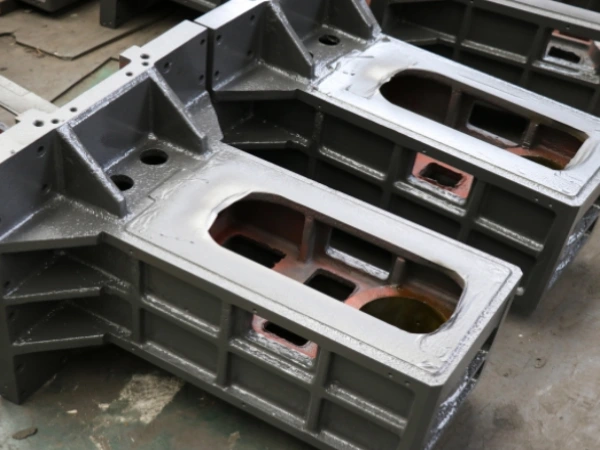
carbon steel casting
Carbon steel casting is commonly selected for valve bodies, pump housings, frames, brackets, lifting hardware and general machinery parts where strength, weldability and cost control are important.
Typical discussions may include WCB, WCC, ZG200-400, ZG230-450, ZG270-500 and related project standards.
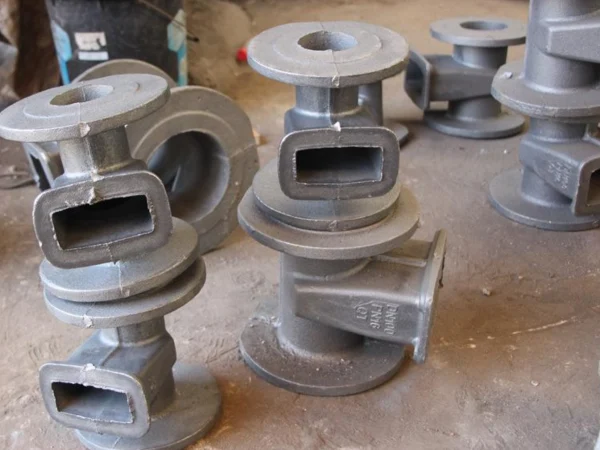
alloy steel casting
Alloy steel casting parts are used when the project needs higher wear resistance, impact strength, toughness, hardness or elevated-temperature performance.
Common discussions may include ZG35CrMo, ZG42CrMo, Mn13 and selected alloy steel routes, depending on heat treatment and inspection requirements.
Material comparison: for corrosion-resistant applications, compare ステンレス鋼の鋳造. For damping and machinability, review iron casting services.
Casting Route
Steel Casting Process Selection for OEM Parts
The right steel casting process depends on part weight, geometry, annual volume, machining allowance, surface expectation, heat treatment and inspection scope. We compare the route before quoting instead of forcing every project into one process.
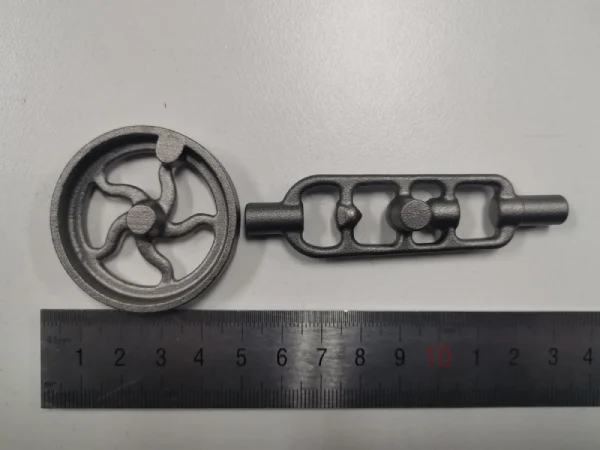
steel investment casting
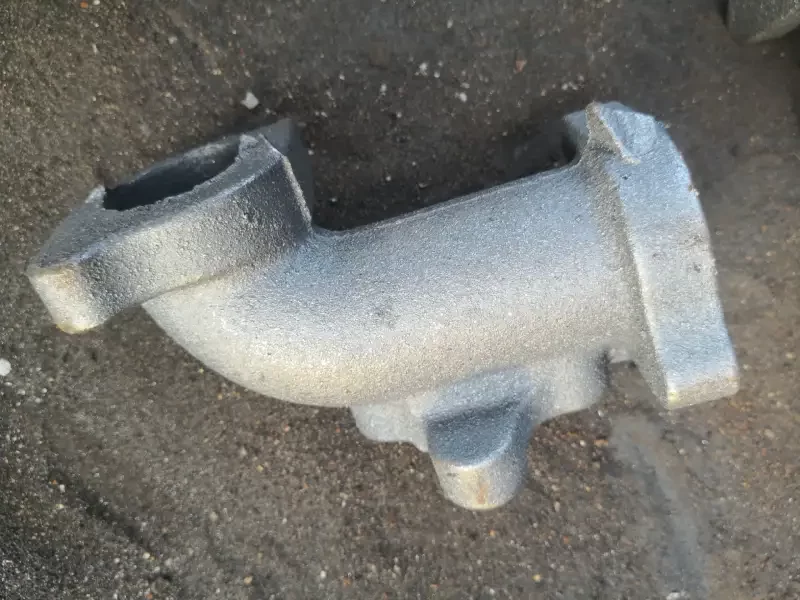
steel sand casting
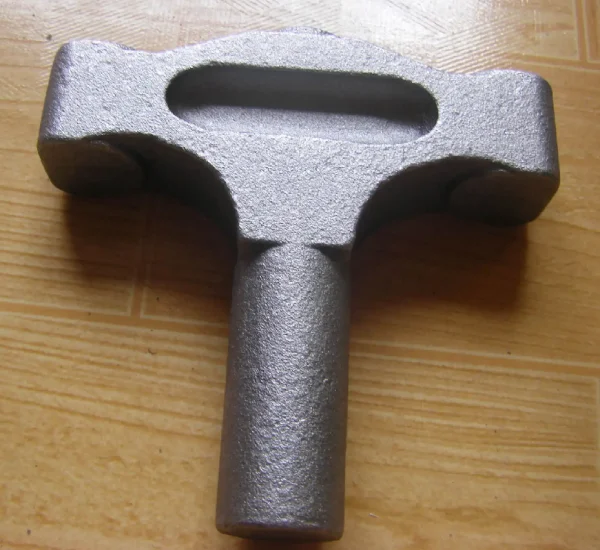
steel Permanent mold casting
Visit Supro steel Casting Foundry
デザイン - プロトタイプ - 金型 - 鋳造
Supro Metal Foundryは中国のトップ企業です 金属鋳造 部品メーカーとして1997年に設立され、鋳造技術の継続的な向上と先進的な鋳造設備の更新により、当社は業界をリードする鋳造企業へと成長しました。敷地面積8,800平方メートルを誇り、3つの鋳造工房、精密CNC加工・表面処理工房を備え、120名の技術従業員、18名の品質エンジニア、17名のコア企業経営陣が在籍しています。安定した金属を提供します 鋳造部品 中国および世界の3800社以上の購買企業向けに調達プロジェクトを提供します。.
We specialize in metal castings with various complex structures, and use our rich knowledge of casting materials and casting experience to deliver high-quality metal casting parts to customers on time through professional casting techniques.
また、大量鋳造においても、当社は以下の分野を含む強力な鋳造能力を提供可能です:製品設計および最適化、金型設計・製造、金属鋳造プロセス、品質管理、精密CNC加工、材料および物性試験、表面コーティング、さらに梱包や輸送といったワンストップの金属鋳造サービスも提供しています。.
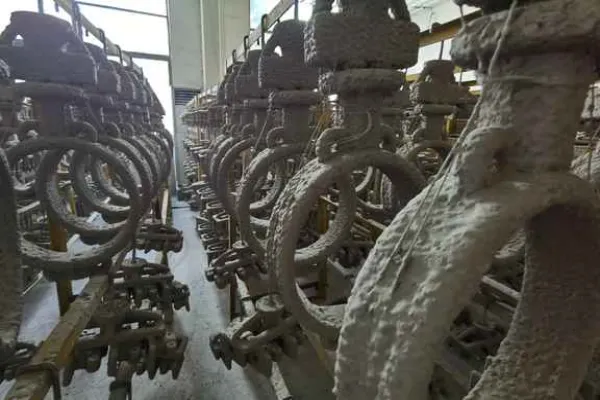
Request a Drawing Review Before Tooling
Send material grade, annual volume, heat treatment notes, machining areas and inspection requirements. We will compare the steel casting route and quotation path before tooling decisions are made.
Engineering Review
Steel Casting Engineering Review Before Tooling
Every custom steel casting project should be reviewed before tooling. This review helps reduce shrinkage risk, hot spots, machining surprises and inspection disputes before molten steel is poured.
Geometry and Castability
We review wall transitions, ribs, bosses, undercuts, draft, fillets, thick-to-thin sections and core structure. The goal is to keep the function while reducing avoidable casting risk.
Machining Allowance
Mark sealing faces, mounting surfaces, datum references, holes, threads and flatness requirements. CNC machining allowance should be planned together with casting route and inspection scope.
検査計画
Critical dimensions, material certificates, hardness, mechanical performance and NDT requirements should be defined before order release, not after shipment.
熱処理
Heat Treatment Review for Steel Castings
Heat treatment is not an add-on note for steel casting. It affects hardness, strength, toughness, machinability, dimensional stability and final service performance. The heat treatment route should follow material grade and target mechanical properties.
正規化
Used to refine structure and improve machinability for many carbon steel 鋳造部品.
Quenching + Tempering
Used when hardness, toughness and strength balance must be controlled by grade and service condition.
Stress Relief
Important for parts that need stable dimensions after casting, welding or heavy machining.
Project-Specific Route
Wear-resistant and alloy steel parts may need a different heat treatment route based on the standard and test requirements.
Quality Control
Steel Casting Inspection and Quality Reports
当社は、金属鋳物の高品質な納品と、プロフェッショナルな 品質管理チームがすべての鋳造工程を監視しています 以下のプロセスを含みます:表面欠陥、内部欠陥、寸法欠陥、および材料組成。.
当社は、製品の機能性と美的デザインに特に重点を置いており、具体的には、油・気密性、表面スプレー塗装(カスタムカラー)、研磨、塗装などを含みます。.
- 表面欠陥検査。.
- 組み込み検査。.
- 内部 鋳造欠陥.
- 冷却不良が生じる。.
- 外観および構造の検査。.
- 寸法検査。.
- CMM方式によるビットサイズの検出。.
- 化学組成の検出(分光法)。.
- 機械的特性試験。.
- 破壊的検出。.
- 非破壊検査(NDT)。.
- 組み立てと試験。.
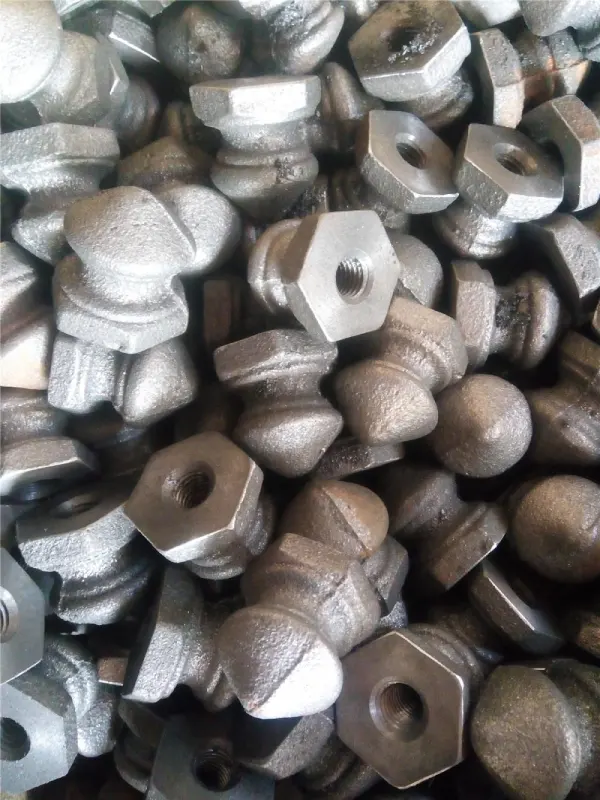
Buyer Questions
Steel Casting FAQ for OEM Buyers
These questions focus on RFQ preparation, material selection, inspection and post-delivery quality handling.
Send 2D drawings or 3D models, material grade or target mechanical properties, quantity, annual volume, heat treatment requirements, machining areas, surface finish, application and inspection requirements. If the grade is not fixed, share the working load, impact risk, wear condition and service temperature. |
Carbon steel casting is commonly selected for general machinery, valve bodies, pump housings, brackets and structural parts where strength, weldability and cost control matter. Alloy steel casting is reviewed when the part needs higher wear resistance, impact strength, hardness, toughness or elevated-temperature performance. |
Choose steel コンポーネント時のキャスト requires higher tensile strength, weldability, shock-load performance or safety-critical strength. Choose iron casting when vibration damping, machinability and cost control are more important than severe impact resistance. |
Steel sand casting is practical for larger cast steel parts and low-to-medium volume projects. Steel ロストワックス鋳造 is used for smaller precision parts with complex geometry. Resin sand or shell mold can be selected when better dimensional consistency and surface quality are needed. |
Yes. Heat treatment can be arranged according to the steel grade and performance requirements, including normalizing, stress relief, quenching and tempering, and other project-specific routes. Final parameters should follow the drawing, material standard and mechanical property targets. |
Yes. Many steel cast parts require CNC machining for holes, threads, sealing faces, datum references, mounting surfaces and assembly areas. Machining requirements should be included in the RFQ so the casting allowance and inspection plan can be set correctly. |
Inspection can include chemical composition analysis, dimensional reports, hardness testing, mechanical property testing, CMM inspection, visual inspection, packing review and NDT such as MT, UT or PT when required. Material certificates and inspection reports should be defined before order release. |
MOQ, sample timing and production lead time should be confirmed after drawing review, because they depend on tooling, part weight, material grade, heat treatment, machining scope, inspection requirements and annual volume. |
Yes. Prototype and small-batch projects can be reviewed before repeat production. This helps verify geometry, assembly, machining areas, heat treatment response and inspection requirements before larger tooling or batch orders. |
Get a Custom Steel Casting Quote
Upload your drawing, model or sample photos. Please include material grade, quantity, annual volume, heat treatment requirement, machining areas, surface finish and inspection requirements.
What to include in your RFQ
- Drawings: PDF, DWG, DXF, STEP, STP, IGES or OBJ
- Material: grade or target mechanical properties
- Volume: batch quantity and annual forecast
- Heat treatment: hardness, strength or standard if required
- Machining: mark critical surfaces and tolerances
- Inspection: dimensional report, material certificate, NDT or mechanical testing needs
✓ Drawing-based quotation
 English
 Français
 Deutsch
 Italiano
 日本語
 한국어
 Polski
 Português de Angola
 Русский
 Español de Argentina