
鋳鉄鋳造サービス
Supro MFGは、図面のレビューから生産まで、耐久性のある鋳鉄部品を必要とするOEMバイヤー向けに鋳鉄鋳造サービスを提供しています。当社は、ポンプ、バルブ、機械フレーム、農業機械、建設機械、産業用ハードウェア向けに、ねずみ鋳鉄、ダクタイル鋳鉄、可鍛鋳鉄の部品に対応しています。お見積りの前に、当社のチームが材質グレード、工程ルート、加工代、表面処理、検査要件を検討し、バイヤーが金型製作や量産前にリスクを軽減できるよう支援します。.
- ISO 9001-2015およびTSI 16949品質システム
- 3つの鋳造工場と120人の技術社員
- 18名の品質エンジニアと検査報告書のサポート
- 1997年創業、敷地面積8,800平方メートルの施設
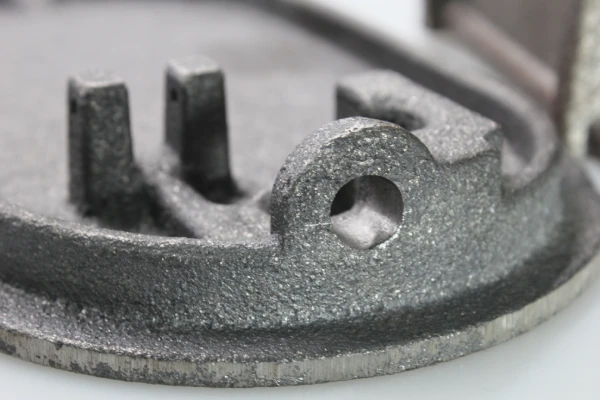
材料およびグレードの選定
鋳鉄材料とグレードの選択肢
鋳鉄材料の選定は、荷重、振動、衝撃、摩耗、および機械加工の要件に適合させる必要があります。Supro MFGでは、お見積りの前に、一般的なねずみ鋳鉄およびダクタイル鋳鉄の材質、部品重量、製造プロセス、加工代、検査要件を確認いたします。.
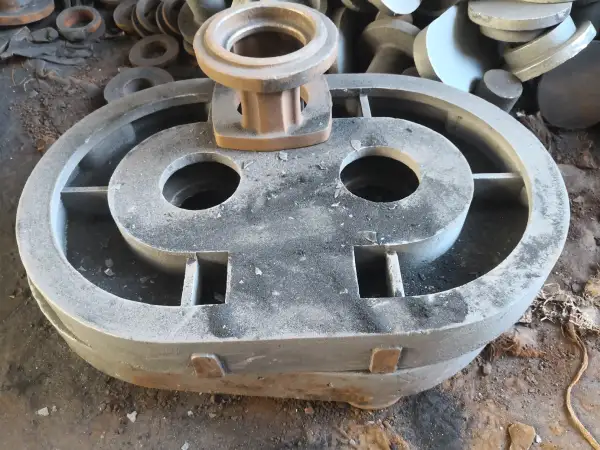
ねずみ鋳鉄部品
GB規格のHT200、HT250、HT300、HT350を含むねずみ鋳鉄は、耐衝撃性よりも振動減衰性、圧縮強度、および被削性が優先される場合に選定されます。 これらのグレードは、おおむねASTM A48 No.30、No.35、No.45、No.50、EN-GJL-200~EN-GJL-350、およびDIN GG20~GG35に相当します。 機械ベース、ポンプハウジング、バルブボディ、カバー、エンジンブロックなど、1個あたり0.5 kgから2,000 kgまでのねずみ鋳鉄鋳物の検討が可能です。.
ダクタイル鋳鉄部品
切削加工が容易で、疲労強度および降伏強度に優れ、耐摩耗性も備えています。しかし、最もよく知られている特性はその延性です。一般的な等級には、GB規格のQT450-10、QT450-18、QT500-7があり、関連するASTM規格は65-45-12、60-40-18、80-55-06、EN規格はEN-GJS-450-10、EN-GJS-450-18、EN-GJS-500-7、DIN規格はGGG-40 / GGG-50です。ダクタイル鋳鉄は、ステアリングナックル、プラウの爪、クランクシャフト、大型歯車、乗用車やトラックのサスペンション部品、油圧部品の製造に使用されます。 部品および自動車 ドアヒンジ.
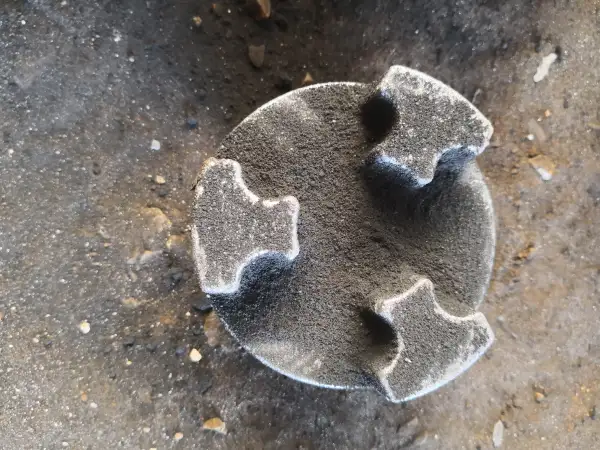
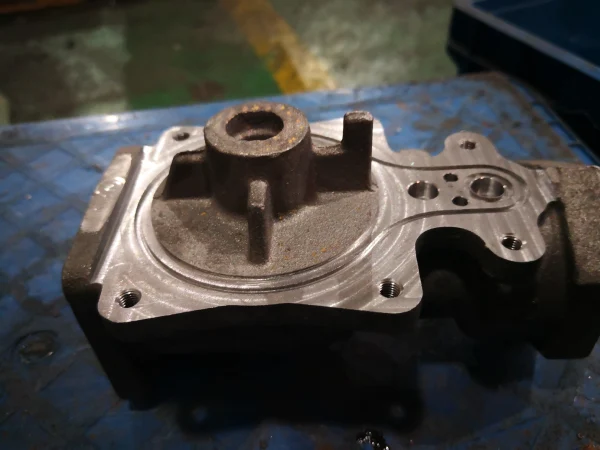
可鍛鋳鉄部品
魅力的な 可鍛鋳鉄の性質 鉄の特長としては、潤滑剤や非研磨性の摩耗粒子を保持・蓄積する能力、および他の研磨性破片を捕捉する多孔質の表面が挙げられる。可鍛鋳鉄 鋳鉄は高荷重のすべり面に使用される, 、チェーン、スプロケット、コネクティングロッド、駆動系およびアクスル部品、鉄道車両、ならびに農業・建設機械。.
| 鋳鉄 | 基準 | |||||
| GB | AWS | BS | NF | DIN | ISO | |
| ねずみ鋳鉄 | HT200 | No.30 | グレード220 | EN-GJL-200 | GG20 | 200 |
| HT250 | No.35 | 260級 | EN-GJL-250 | FC25 | 250 | |
| HT300 | No.45 | 300等級 | EN-GJL-300 | GG30 | 300 | |
| HT350 | No.50 | グレード350 | EN-GJL-350 | GG35 | 350 | |
| ダクタイル鋳鉄 | QT450-10 | 65-45-12 | GGG-40 | EN-GJS-450-10 | 450/10 | 450-10 |
| QT450-18 | 60-40-18 | GGG-40 | EN-GJS-450-18 | 400/18 | 450-18 | |
| QT500-7 | 80-55-06 | GGG-50 | EN-GJS-500-7 | 500/7 | 500-7 | |
鋳鉄か鋳鋼か
制振性、被削性、コスト管理が過酷な耐衝撃性よりも重要である場合は鋳鉄を使用し、それ以外の場合は鋼を使用してください。 コンポーネント時のキャスト より高い引張強度、溶接性、または耐重衝撃性能が求められます。材料の選定が不明確な場合、Supro MFGが用途を検討し、プロジェクトに適した材料選定へと導きます。. 高強度用途向け鋳鋼品を見る.
デザイン - プロトタイプ - 金型 - 鋳造
スプロ金属鋳造工場を訪れる
Supro Metal Foundryは中国のトップ企業です 金属鋳造 部品メーカーとして1997年に設立され、鋳造技術の継続的な向上と先進的な鋳造設備の更新により、当社は業界をリードする鋳造企業へと成長しました。敷地面積8,800平方メートルを誇り、3つの鋳造工房、精密CNC加工・表面処理工房を備え、120名の技術従業員、18名の品質エンジニア、17名のコア企業経営陣が在籍しています。安定した金属を提供します 鋳造部品 中国および世界の3800社以上の購買企業向けに調達プロジェクトを提供します。.
当社は金属加工を専門としています 様々な複雑構造を持つ鋳物, 鋳造材料に関する豊富な知識と鋳造経験を活かし、専門的な鋳造技術を通じて、高品質な金属鋳造品をお客様に納期通りにお届けします。.
ラピッドプロトタイピング鋳造であっても、量産鋳造であっても、当社は以下を含む強力な鋳造能力を提供します:製品設計と最適化、金型設計と製造、金属鋳造プロセス、, 品質管理, 、高精度CNC加工、材料・物性試験、表面処理、ならびに包装や輸送などのワンストップ金属鋳造サービス。.
処理オプション
鋳鉄部品の鋳造プロセスオプション
適切な鋳造プロセスは、部品のサイズ、表面要件、公差の期待値、年間生産量、および材質等級によって異なります。当社はすべてのプロジェクトを単一の方法に押し込むことはありません。プロセスは図面確認後に選定されます。.
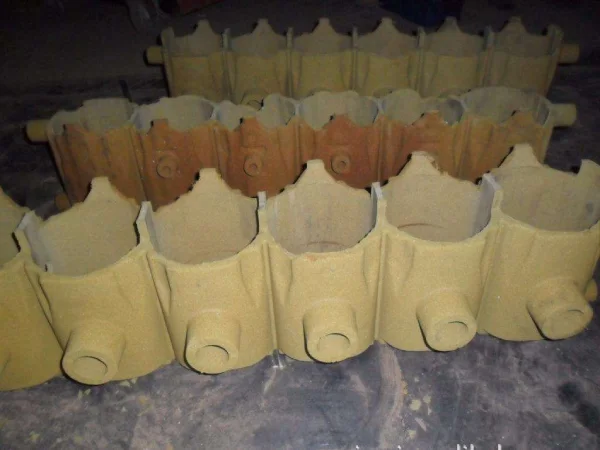
鉄生形鋳造
Supro MFGは進歩しました ダイカスト製造 低圧ダイカストおよび高圧ダイカスト製品のニーズを満たす設備を備え、世界中のあらゆる分野のバイヤーに最も費用対効果の高いオンデマンドのダイカスト製造ソリューションを提供します。また、X線検査、成分分析、非破壊検査、機械試験、塩水噴霧試験などを通じて、高品質なダイカスト部品の納期厳守での納品を保証します。.
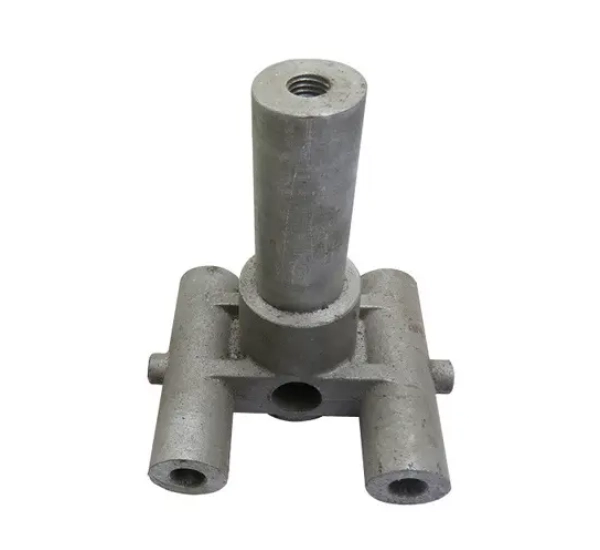
金型鋳造
relying on resin sand or green sand to form a cavity with the shape of the final product under the action of aluminum or steel molds, inject molten metal into the sand mold, and cool to form. Aluminum alloy sand casting is economical, but usually requires secondary machining to achieve close dimensional tolerances, and is also very effective for creating large アルミニウム合金鋳物 大規模な鋳造プロジェクトに適した、部品または細部まで作り込まれた部品。.
Supro casting foundryでは、ほとんどの欠陥問題を回避し、機械的性質を高め、鋳造効率を向上させ、アルミニウムをより良くするために、鋳造プロセスとアルミニウム合金の元素組成を適切に管理しています。 合金鋳物 より競争力の高い.
利点: 高効率、低コスト、経済的、複雑な構造の実現が可能、幅広い材料に適している
欠点: 多くの砂穴や気孔があり、表面が粗いため、細かいディテールを再現することは不可能です。.
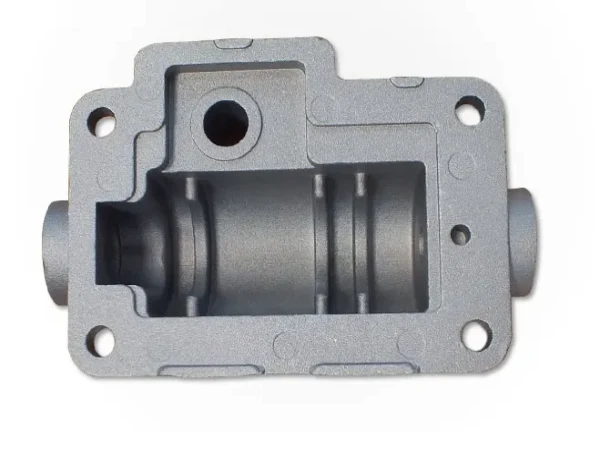
鉄粉樹脂砂型鋳造
鋼鉄製の型やその他の金属製の型、あるいは中子を製造します。溶融したアルミニウム合金は型の中で冷却され、成形されます。これは再利用可能な金属製の型です。多くの場合、アルミニウム合金は重力によって注入され、型内部のキャビティを満たします。その後、冷却されてから型が分離され、 finished part is ejected or removed.
Supro MFG uses this rapid prototyping casting process to achieve a more consistent microscopic metal structure, increase the density of aluminum alloy castings, and significantly enhance the mechanical properties of the product. It is generally used in industries with high weighing capacity, wear resistance, and corrosion resistance. in demand.
利点: Higher product density Fast build time Low product cost High surface finish Finer detailing possible
欠点: High mold cost Does not support design changes Not suitable for large castings Long mold manufacturing cycle
Engineering Support
Engineering Review Before Production
A successful casting project starts before molten metal is poured. Supro MFG reviews wall transitions, sharp corners, rib thickness, boss design, core structure, machining allowance and surfaces that may be difficult to clean or machine. This review helps reduce shrinkage, sand inclusion, porosity, deformation, hard spots and machining difficulty while keeping the function of the part unchanged.
- Wall thickness, draft angle and ribs review
- Parting line, core structure and cleaning difficulty check
- Machining allowance and critical area confirmation
Quality Control
Quality Control and Inspection Reports
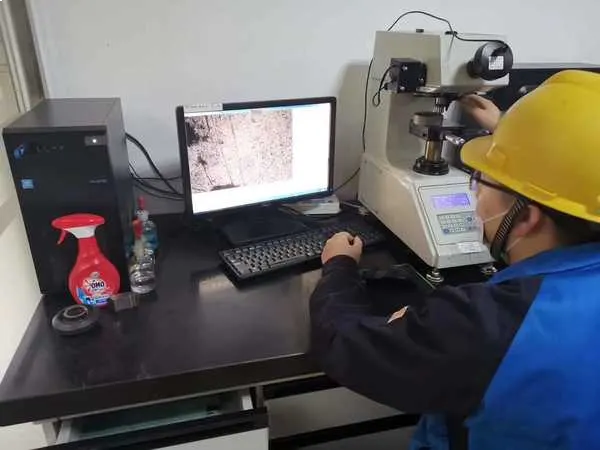
Buyers need stable material composition, reliable dimensions and repeatable batches. Supro MFG controls cast iron projects through material verification, melt control, mold preparation, pouring control, cleaning, machining inspection and final shipment review. Depending on project requirements, inspection can include CMM dimensional inspection, spectrometer chemical analysis, mechanical property testing, destructive testing when required, non-destructive testing and final packing review.
Material Verification
Spectrometer chemical analysis and material certificate support.
Mechanical Testing
Mechanical property testing and destructive testing when required.
Dimensional Inspection
CMM and machining area checks for critical dimensions.
NDT Support
Non-destructive testing and final packing review based on project needs.
Ready to send a drawing?
Upload your 2D/3D file and ask for material, process and inspection review.
Secondary Operations
Machining, Heat Treatment and Surface Finishing
Secondary operations should be planned before quotation because they affect tooling, machining allowance, inspection and shipment readiness.
CNC Machining
CNC machining for mounting faces, sealing surfaces, holes, threads and assembly areas.
- CNC machining for cast iron parts
- Machining area verification
- Critical dimension inspection
Heat Treatment
Heat treatment can be reviewed when strength, hardness, stress relief or dimensional stability matters.
- Heat treatment for cast iron parts
- Hardness requirements
- Application-based review
Surface Finishing
Finishing options include sand blasting, painting, powder coating, chrome or tin plating, acid etching, galvanizing and polyamide coating.
- Surface finishing for cast iron parts
- Corrosion exposure review
- Appearance and packing requirements
Wide range of iron casting applications
- Value Body
- Compressor Valves
- Coupling
- Chain wheel
- Hydraulic valves and
- cylinders
- Structural brackets
- Rollers
- Cable reel
- Frames
- Pumps
- Crankshaft
- Camshaft
- Exhaust manifold
- Machine Frame
- Flanges
- Hubs
- Gearboxes
Buyer Questions
FAQ for Cast Iron Part Sourcing
These questions focus on RFQ preparation, material selection, inspection and post-delivery quality handling.
Please send the drawing or sample, material grade, quantity, annual volume, tolerance requirement, machining areas, surface finish, application and target delivery date. If the material grade is not fixed, our team can review the load condition and recommend gray iron, ductile iron or another route.
For 2D drawings, PDF, DWG and DXF are commonly reviewed. For 3D models, STP, STEP, IGES and OBJ can be checked. For large RFQ packages, please confirm the final accepted format with our team before submission.
Common gray iron discussions include HT200, HT250, HT300 and HT350, with related ASTM, EN and DIN references. Ductile iron discussions may include QT450-10, QT450-18 and QT500-7, with corresponding ASTM, EN-GJS and DIN grades.
Current project discussions can cover parts from about 0.5 kg to 2,000 kg per piece. Final feasibility still depends on geometry, wall thickness, process route, machining requirements and inspection standard.
Gray iron is often selected for damping, machinability and cost control. Ductile iron is used when higher strength, toughness and impact resistance are required. The correct route depends on load, fatigue risk, service environment and machining needs.
Steel casting is usually considered when the part needs higher tensile strength, weldability or heavy shock-load performance. Cast iron is often better for damping, machinability and cost-sensitive housings, bases and covers.
Inspection can include CMM dimensional checks, spectrometer chemical analysis, mechanical property testing, destructive testing when required, non-destructive testing and final packing review. Material certificates and inspection reports can be arranged based on project requirements.
Yes. Many cast iron components require CNC machining for holes, threads, sealing surfaces, mounting faces and assembly areas. Machining requirements should be included in the quotation and inspection plan.
If a buyer reports a quality issue, the process should include photo or report review, batch traceability check, root cause analysis and corrective action. Replacement, rework or credit terms should follow the confirmed purchase agreement and inspection standard.
Request a Quote
Upload Your Drawing for a Factory-Direct Quote
Send a 2D drawing, 3D file or sample photos with material grade, quantity, annual volume, machining areas, surface finish and inspection requirements. Our team will review your project and confirm a factory-direct quotation path.
- PDF, DWG or DXF for 2D drawings
- STP, STEP, IGES or OBJ for 3D models
- Material grade, quantity, annual volume and inspection needs
- Machining, surface finish and packing requirements
 English
 Čeština
 Français
 Deutsch
 Italiano
 日本語
日本語 한국어
한국어 فارسی
فارسی Polski
 Português de Angola
 Русский
 Slovenčina
 Español de Argentina
 Українська