
Custom Metal casting parts surface treatment services
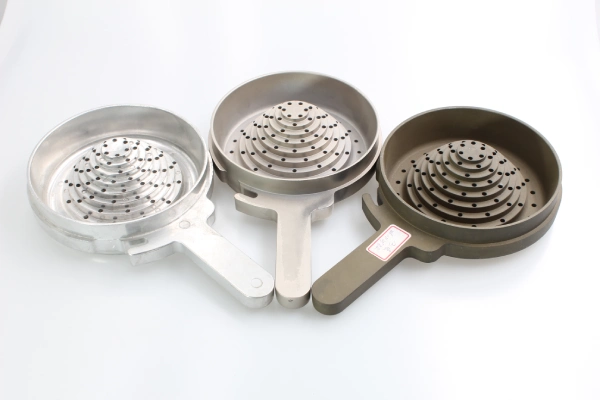
Custom 金属鋳造 Surface treatment fundamentally aims to comprehensively enhance their overall performance and value by applying coatings or altering surface conditions. Key functions include:
– Enhancing corrosion and wear resistance to extend service life;
– Improving decorative appearance to elevate product grade and distinctiveness;
– Providing specialized functions (e.g., conductivity, insulation);
– Delivering an optimal substrate for subsequent painting to ensure coating adhesion.
Its essence lies in achieving a unified balance of protection, aesthetics, and functionality.
Supro Metal Foundry delivers comprehensive, one-stop surface treatment solutions for metal castings, encompassing all mainstream processes from mechanical cleaning and chemical conversion to advanced plating and decorative finishes. Beyond our specialized processing capabilities, we provide precise technical selection guidance and process optimization services tailored to casting materials, intended applications, and cost considerations. This ensures each product achieves the optimal balance of performance, aesthetics, and reliability.
Supro provides ロストワックス鋳造 with integrated surface finishing.
Mechanical Treatment
Chemical Treatments
Coating Additions
Printing & Marking
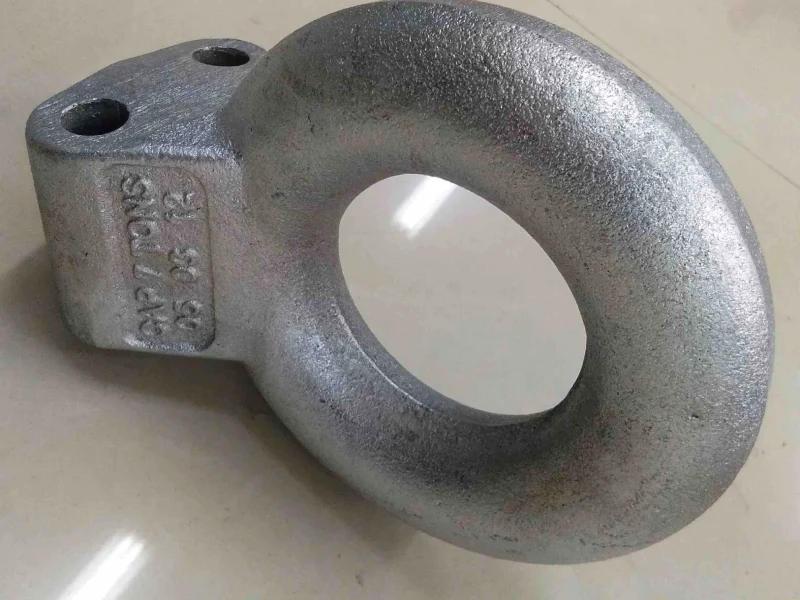
サンドブラスト
サンドブラスト処理は、熱処理スケール、鋳造黒皮、溶接スラグを除去するための重要な第一段階となります。これにより、その後の酸洗いや不動態化処理に向けた均一な下地が得られ、不動態皮膜の品質が確保されます。一般的に使用される研磨材には、ブラウンフューズドアルミナやステンレス鋼ショットなどがあります。.
サンドブラスト処理は、離型剤の残留物、酸化皮膜、および微細なバリを除去すると同時に、均一なマット仕上げを実現するための標準的な前処理です。.
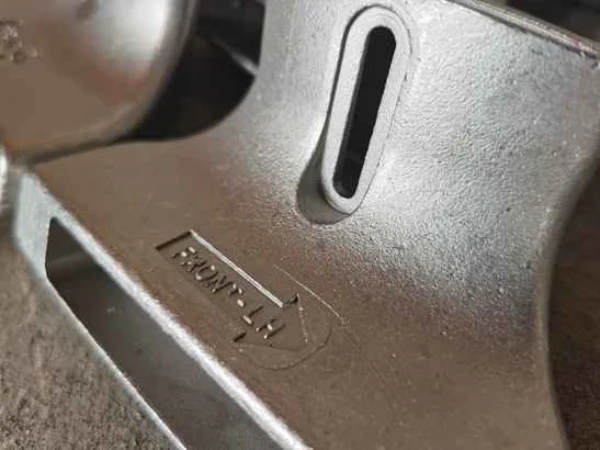
Shot Blasting
ショットブラストは、金属鋳物の後処理における中核的な技術です。 その主な機能には、鋳造品の表面から鋳型砂、スケール、不純物を徹底的に除去すること、高速ショットによる衝撃で残留圧縮応力層を形成し、疲労強度と応力腐食耐性を大幅に向上させる重要な強化を行うこと、そしてバリやフラッシュを除去して均一で一貫性のあるマット仕上げを実現し、その後のコーティングやメッキに対する優れた密着性を確保するための表面処理を行うことが含まれます。 洗浄、強化、表面処理を1つの工程に統合したこの処理は、鋳物の本質的な品質、信頼性、外観を向上させるための重要な工程です。.
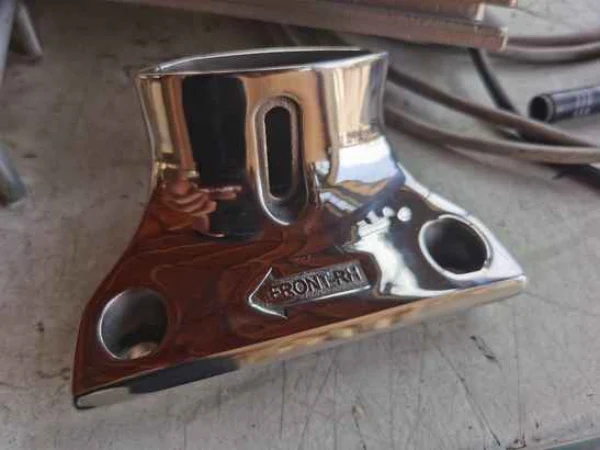
Mirror Polishing
鏡面研磨は、金属鋳造品における最高水準の表面仕上げです。その主な目的は、極めて滑らかで反射率の高い鏡面を実現し、製品の視覚的な質感、光沢、そして高級感を大幅に向上させることにあります。 この工程は、高級装飾や、厳しい美的要件が求められる用途(工芸品、高級バスルーム設備、精密部品など)のニーズを満たします。さらに、極めて低い表面粗度により、摩擦抵抗が低減され、洗浄が容易になり、耐汚染性も向上します。.
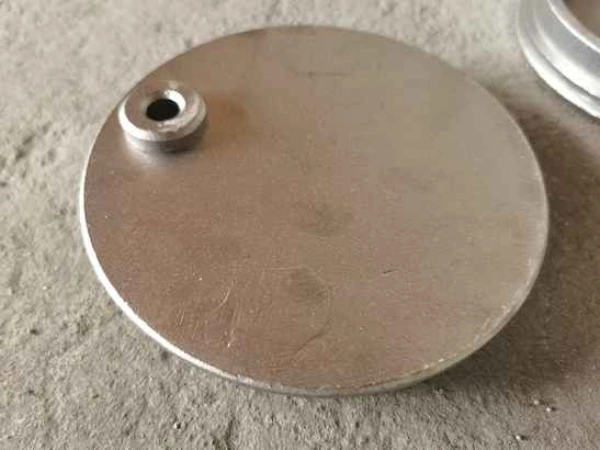
Brushed Polishing
ブラッシュ仕上げは、金属鋳物の表面に微細で一方向のテクスチャーを施す装飾加工です。その主な役割は、独特なマットで糸のような質感を作り出し、外観を効果的に引き立てるとともに、鋳造時のわずかな欠陥を目立たなくすることです。 さらに、ブラッシュ仕上げを施した表面は、耐摩耗性や耐傷性が向上し、指紋も付きにくいため、装飾的な魅力と実用的な機能性を兼ね備えています。.
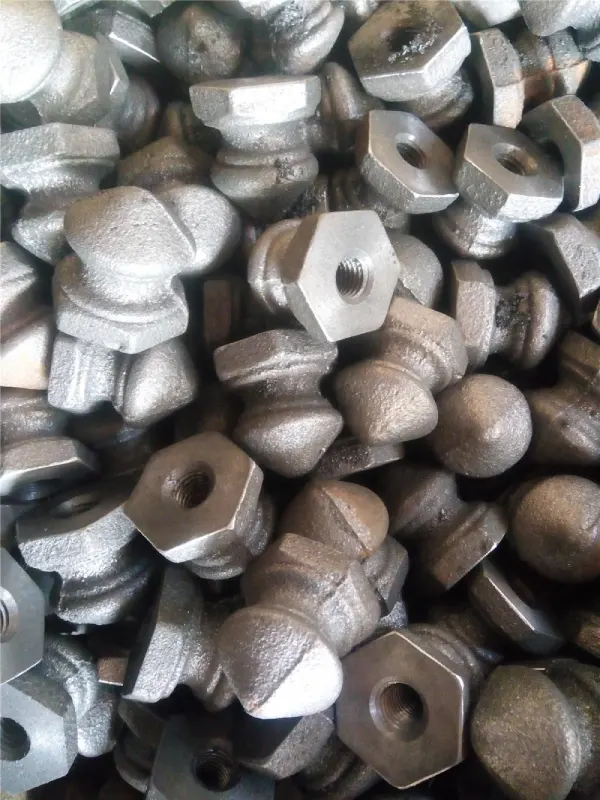
Vibratory Polishing
振動研磨仕上げは、振動によって研磨材と鋳物の間に継続的な摩擦を発生させることで、穏やかなバッチ処理による表面仕上げを実現します。その主な機能は、バリを効率的に除去し、鋭いエッジを丸めながら、均一できめ細やかなマットな表面を作り出すことであり、これにより部品の触感と安全性を大幅に向上させます。 このプロセスは、複雑な形状を持つ小型鋳物の処理に特に適しており、寸法精度を維持しながら、一貫した仕上げ結果をもたらします。.
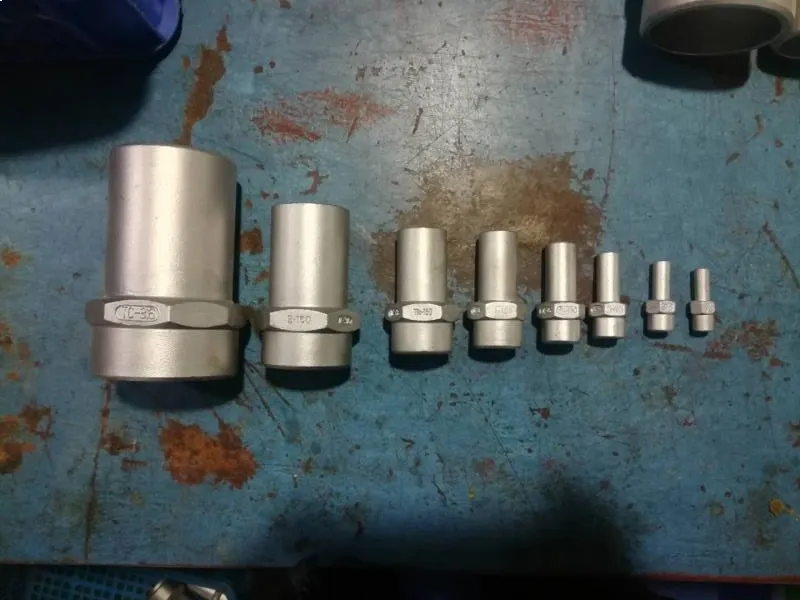
Acid Pickling and Passivation
酸洗と不動態化は、ステンレス鋼鋳物に対する化学的表面処理の複合プロセスである。.
酸洗いは、酸溶液を用いて表面のスケール、錆、不純物を溶解し、母材を洗浄して新鮮な金属表面を露出させる処理です。酸洗いの後に実施される不動態化処理では、酸化性媒体を用いて、表面に緻密で均一なクロムを豊富に含む不動態皮膜を形成します。.
これらのプロセスを組み合わせることで、ステンレス鋼鋳物の本来の耐食性を完全に回復させ、大幅に高めることを目的としており、その長期にわたる安定した耐用年数を確保するための極めて重要なプロセスとなっています。.
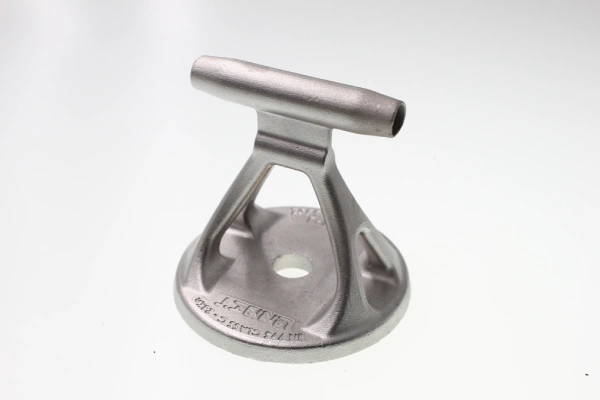
Electropolishing
電解研磨は、金属鋳物の表面にある微細な突起を選択的に溶解させる電気化学的な表面仕上げ加工であり、これにより表面を極めて滑らかで光沢のある状態にし、鏡面仕上げに近い仕上がりを実現します。.
この処理は、酸化膜や内部に混入した不純物を効率的に除去し、ステンレス鋼などの材料の耐食性を大幅に向上させるとともに、表面の微細な欠陥を取り除きます。.
この技術は、清浄度、耐食性、および反射率に関して厳しい要件が求められる医療機器、食品加工機器、および装飾性の高い部品に特に適しています。.
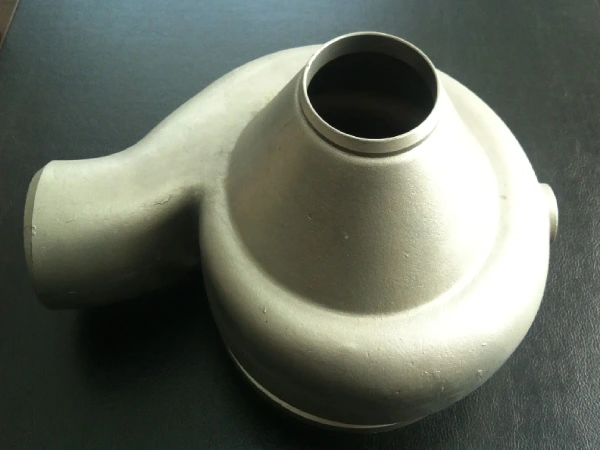
Chromate Conversion
クロメート変換コーティングは、アルミニウムや亜鉛などの非鉄金属鋳物に化学変換皮膜を形成する耐食処理です。これにより、鋳物表面にクロム化合物を含む保護層が形成され、母材の耐食性が大幅に向上するとともに、塗料の密着性にとって優れた下地となります。 従来の六価クロム処理は優れた結果をもたらしますが、より環境に優しい三価クロムやクロムフリーの変換技術に徐々に置き換えられつつあります。この工程は、塗装前の表面処理において依然として重要なステップです。.
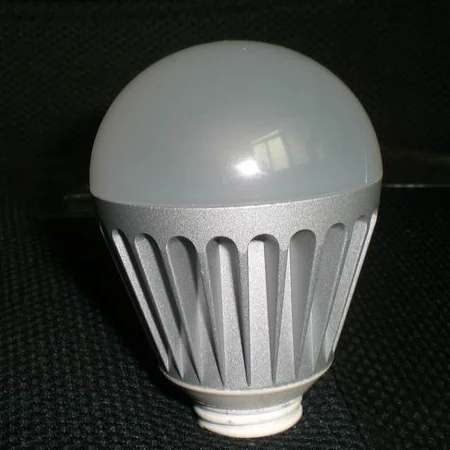
Anodizing
陽極酸化処理は、アルミニウムやマグネシウムなどの軽量金属の鋳造品に施される電気化学的処理です。この処理により、表面に直接、緻密で硬い酸化アルミニウムのセラミック層が形成され、部品の耐食性、耐摩耗性、および電気絶縁性が大幅に向上します。.
さらに、染料の吸着により、幅広い装飾色を実現することができます。.
このプロセスは、精密部品や装飾部品など、機能性と美観の両方が求められる用途に特に適しています。.
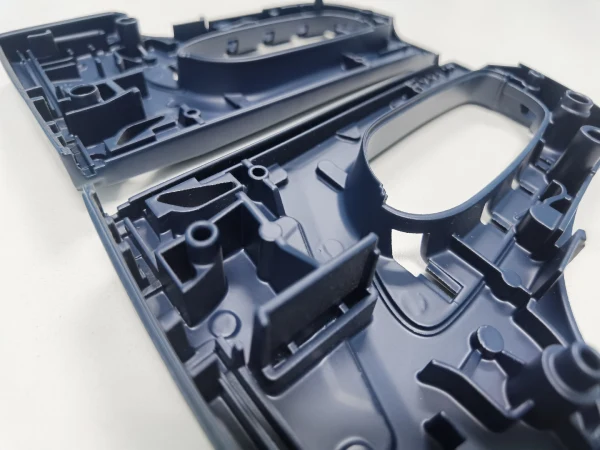
Powder Coating
Powder coating provides dense, durable organic coatings for metal castings, particularly aluminum alloys. Through electrostatic adhesion and high-temperature curing, it forms a highly adhesive protective film that delivers exceptional corrosion resistance, abrasion resistance, and weatherability.
Offering a wide range of color options, uniform coating thickness, and the ability to apply thick layers, this solvent-free process is environmentally friendly and highly efficient. It stands as a mainstream industrial surface treatment technology that balances protection with aesthetic appeal.
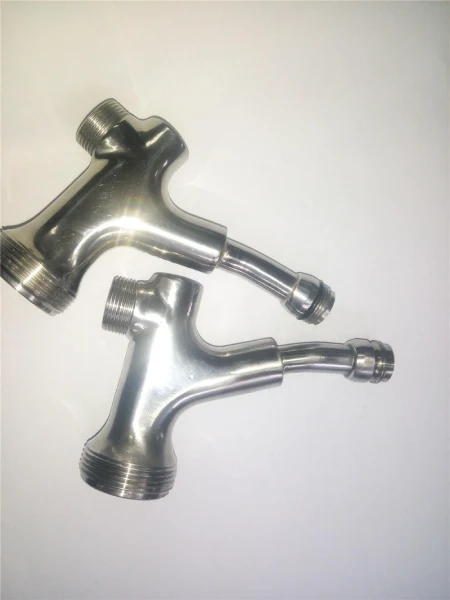
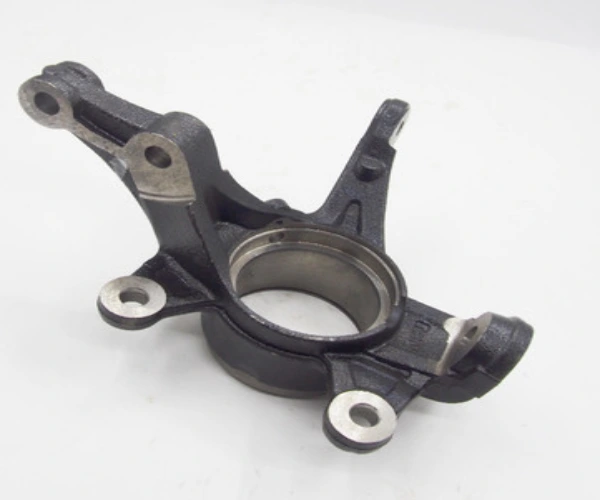
ChromePlating
Electroplating chromium deposits a layer of hard chrome coating onto the surface of metal castings. It delivers exceptional surface hardness and outstanding wear resistance while imparting a signature mirror-like silver-white luster, combining decorative appeal with functional protection. Widely used on components requiring both wear resistance and corrosion resistance alongside aesthetic appeal, such as bathroom hardware, molds, and automotive parts.
Titanium Plating
Electroplating titanium technology deposits titanium alloy coatings (such as titanium nitride and titanium carbide) onto metal castings in a vacuum environment.
This process endows castings with ultra-high surface hardness, exceptional wear resistance, outstanding corrosion resistance, and rich decorative colors (such as gold and gunmetal black). It also offers environmental benefits and is widely used in high-end decorative hardware and functional components.
Nickel Plating
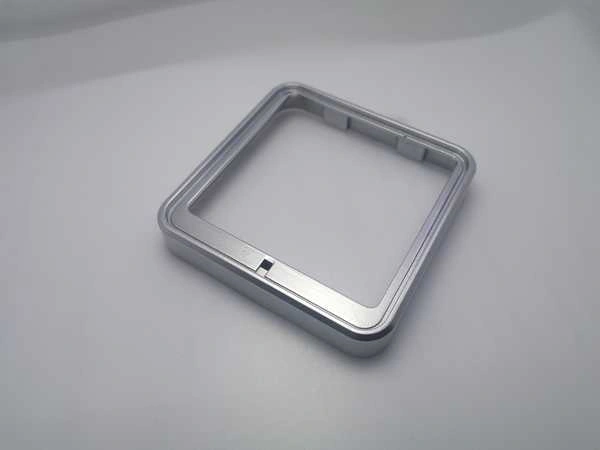
Electroplating nickel serves as the core protective and functional plating process for metal castings. It deposits a layer of nickel metal on the surface, providing excellent corrosion resistance and wear resistance to form a fundamental protective barrier. Simultaneously, its bright and attractive appearance allows it to serve directly as a decorative layer.
More commonly, it functions as a base layer for subsequent coatings like chrome or gold plating. This enhances the overall coating's adhesion, corrosion resistance, and decorative effect while reducing costs. Modern trends also favor environmentally friendly electroless nickel plating technology.
Zinc Plating
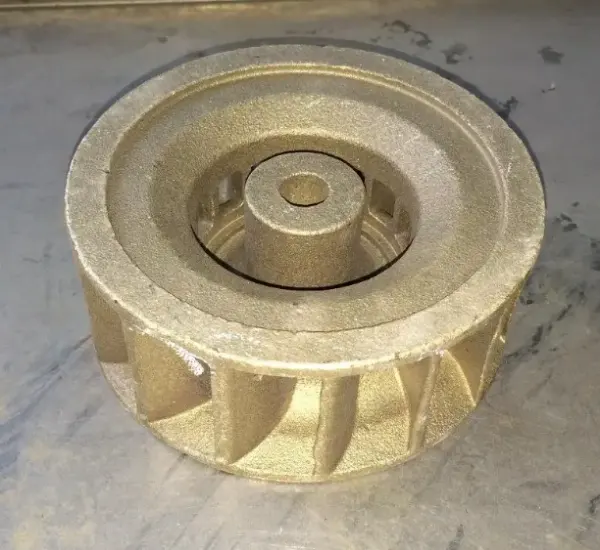
Electrogalvanizing is a core process providing cost-effective corrosion protection for steel castings. It forms a zinc coating on the surface that, through the principle of cathodic protection via a sacrificial anode, continues to shield the substrate from rust even if the coating is locally damaged.
Typically combined with passivation treatment to enhance corrosion resistance and achieve various colors (such as blue-white, multicolored, or black), it is widely used for standard parts, structural components, and fasteners where cost sensitivity and reliable corrosion protection are required.
Hot-Dip Galvanizing
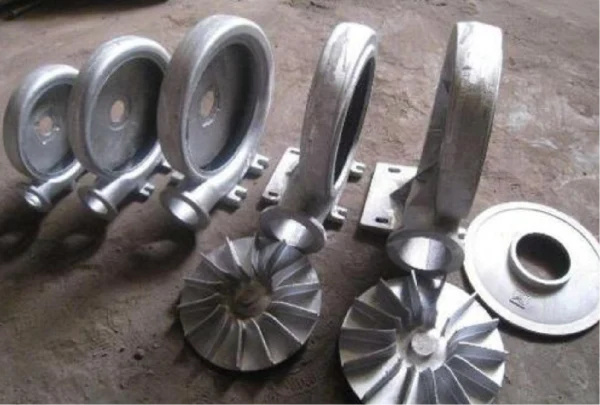
Hot-dip galvanizing involves immersing steel castings in molten zinc to form a thick, metallurgically bonded zinc-iron alloy coating on their surfaces. This process provides exceptionally superior long-term corrosion protection for castings, particularly suited for structural components and large castings in outdoor or harsh environments.
The coating exhibits high hardness, excellent wear resistance, and self-healing properties, though it may alter dimensional accuracy of the casting.
Ceramic Coating
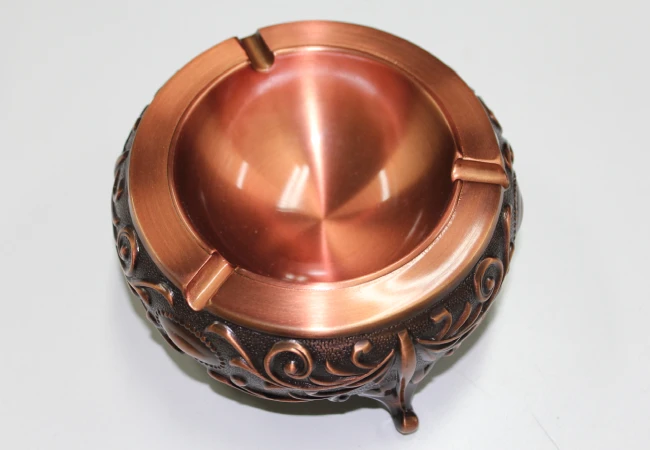
Ceramic coatings are applied to metal castings through thermal spraying and other techniques, forming high-melting-point inorganic protective layers on their surfaces. These coatings impart exceptional hardness, outstanding wear resistance, superior high-temperature oxidation resistance, and corrosion resistance to castings, while also providing excellent electrical insulation.
This process is specifically designed to address wear, high-temperature, and corrosion challenges in extreme operating conditions, finding widespread application in high-performance components across aerospace, energy, and chemical industries.
Paint Spraying
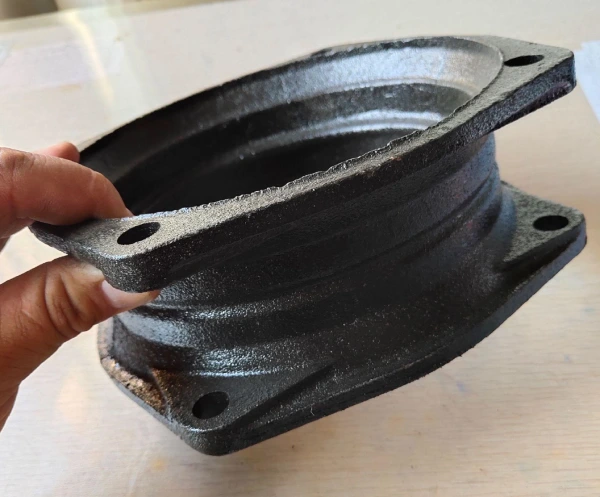
Spray painting is a traditional method for applying liquid organic coatings to metal castings, forming a coating through techniques such as brushing or spraying. Its primary functions are to provide flexible color decoration and basic corrosion protection for castings, making it particularly suitable for complex shapes, small-batch production, or on-site repairs. While this process is relatively low-cost, the coating's durability and environmental performance (including VOC content) typically fall short of modern techniques like powder coating.
PVD (Physical Vapor Deposition)
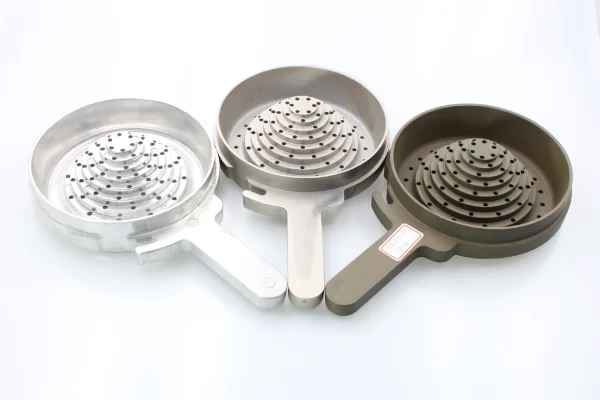
Physical Vapor Deposition (PVD) is an advanced technology that deposits ultra-thin ceramic or metallic coatings onto the surfaces of metal castings within a vacuum environment. This process imparts exceptionally high surface hardness (such as titanium nitride coatings), outstanding wear and corrosion resistance, and enables a wide range of decorative colors (such as gold and rose gold).
Environmentally friendly and offering superior performance, PVD is widely used for high-end decorative components, precision cutting tools, and wear-resistant parts.
Teflon
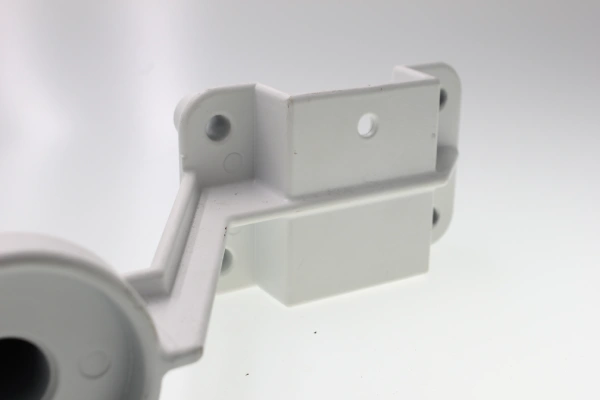
Teflon® (polytetrafluoroethylene PTFE) coating provides metal castings with exceptional chemical inertness and extremely low surface energy. It imparts outstanding nonstick properties, low friction coefficients, and excellent chemical resistance to surfaces, while also offering good electrical insulation and high-temperature resistance. It is primarily used in applications requiring anti-adhesion, easy cleaning, and friction reduction, such as food processing molds, chemical valves, and sliding components.
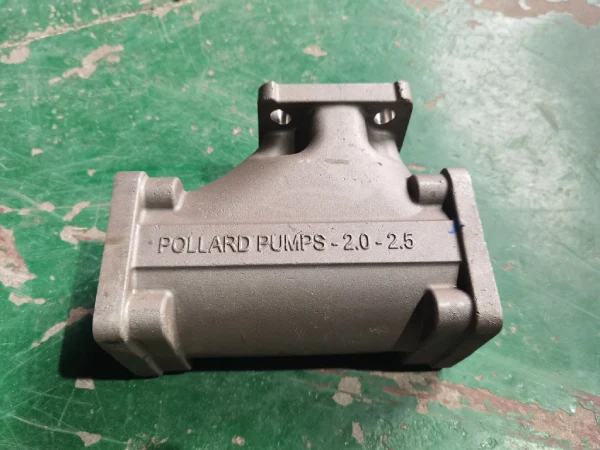
Laser Marking
シリカゾル法による失蝋鋳造は、ステンレス鋼や合金鋼の鋳造部品に広く用いられている鋳造プロセスです。シリカゾルは、蝋型表面にセラミックシェルを形成するための結合剤として使用されます。この方法は、高精度(CT4~CT6)かつ良好な表面仕上げという特徴を持ち、鋳造分野において重要な役割を果たしています。.
Supro MFGは、ロストワックス鋳造を専門とする企業です。当社は、シリカゾル鋳造法を採用し、高温耐熱合金、耐熱鋼、ステンレス鋼、炭素鋼、低合金鋼、アルミニウム合金、銅合金などの部品の鋳造を行っています。.
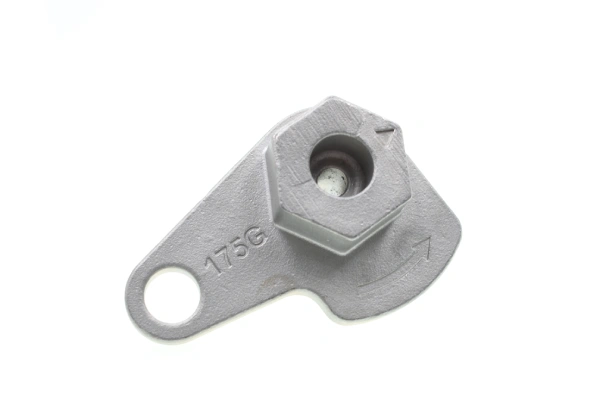
Screen Printing
Screen printing is a decorative process that transfers ink onto the surface of metal castings through a mesh stencil. It efficiently produces clear flat patterns, text, and logos, excelling particularly in multicolor and gradient effects. This method offers low cost and high adaptability.
However, the coating's abrasion resistance is limited, making it primarily suitable for non-high-wear areas requiring visual communication, such as product branding, operating instructions, and decorative panels.
Pad Printing
Pad printing is a printing technique that transfers ink onto irregular surfaces of metal castings via a silicone pad. It enables precise printing of intricate patterns, text, and complex logos on uneven surfaces, edges, and corners, overcoming the limitations of flat printing.
This flexible process is ideal for small-batch, multi-variety marking requirements, serving as a practical solution for branding and decoration on complex-shaped castings.
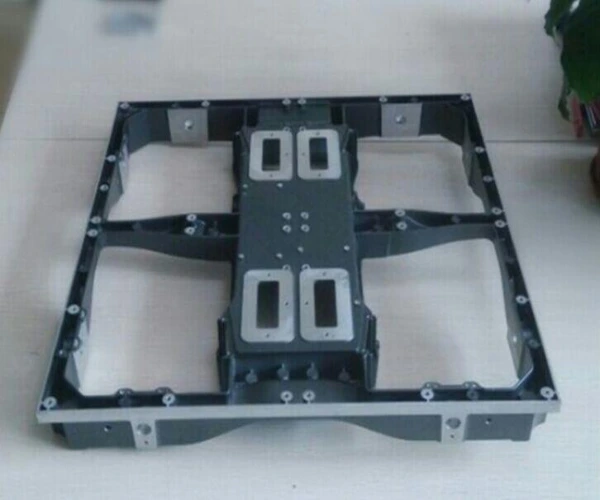
Water Transfer Printing
Water transfer printing is a decorative process that transfers colored patterns onto metal castings via water-soluble films. It creates continuous simulated textures (such as wood grain, camouflage, and marble patterns) on complex three-dimensional surfaces, achieving unique decorative effects.
Suitable for castings requiring personalized aesthetics—such as automotive interior components, electronic device housings, and sports equipment—this coating offers limited abrasion resistance and primarily serves as a decorative finish.
Sticker labels
Sticker labels provide an economical and flexible temporary solution for information identification and decoration on metal castings. They clearly display product models, specifications, brand logos, or operating instructions through adhesion, facilitating production management and user recognition.
Characterized by low cost, easy replacement, and diverse visual effects, they offer limited abrasion resistance and durability. These labels are suitable for non-critical casting surfaces subject to non-contact wear or short-term display.
工場直送の見積もりを依頼できますか?
- 製品デザインを送ってください。.
- ご要望やアイデアをお聞かせください。.
- 契約書と秘密保持契約書(NDA)に署名してください。.
- 高品質な製品を期日通りに納品 高品質な鋳造 部品。.
 English
 Français
 Deutsch
 Italiano
 日本語
日本語 한국어
한국어 Polski
 Português de Angola
 Русский
 Español de Argentina