
Custom Steel Casting Manufacturer in China
강철 주조 서비스
Supro MFG provides custom steel casting services for OEM buyers who need carbon steel and alloy steel parts from drawing review to batch production. Our team reviews material grade, process route, heat treatment, machining allowance, surface finish and inspection requirements before quotation.
Typical projects include valve bodies, pump housings, construction machinery brackets, mining wear parts, agricultural equipment, hydraulic components and heavy-duty structural castings where strength, weldability or impact resistance matters.
- Carbon steel and alloy steel cast parts for OEM industrial applications
- Steel sand casting, resin sand, shell mold and investment casting routes
- CNC machining, heat treatment, surface finishing and inspection support
- Drawing-based quotation with material, machining and inspection review
25+ Years
맞춤형 주조 experience
0.5-2,000 kg
Part Weight
Carbon + Alloy
Material Route
CNC + Heat Treatment
Secondary Ops
ISO Review
Quality System
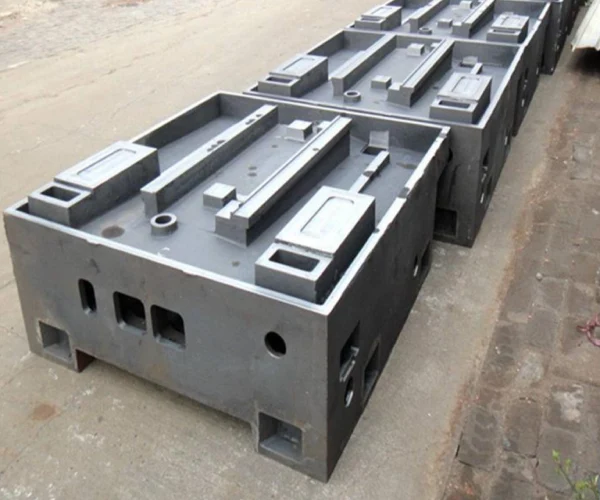
Steel Casting : Metal casting for various fields of application.
Supplier Screening
Steel Casting Capability Sheet for Early RFQ Review
Use this capability sheet to decide whether your steel casting project is likely to fit our foundry route. The open items are intentionally left for drawing review instead of being turned into unsupported promises.
| Steel Route | Common Project Use | Engineering Notes | RFQ Reminder |
|---|---|---|---|
| 탄소강 주조 | General machinery parts, brackets, housings, frames, links and structural components that need better strength than cast iron. | Often reviewed when cost, weldability, machinability and normal mechanical strength are balanced. | Confirm grade standard, load condition, machining areas and whether 열처리 is required. |
| 합금강 주조 | Wear-related parts, heavy-duty components, mining parts, construction machinery and impact-loaded components. | Alloy route should be reviewed with hardness, toughness, wear, heat treatment and inspection requirements. | Send target mechanical properties, hardness range, application load and inspection standard. |
| 강철 모래 주조 | Larger steel castings, low-to-medium volume projects, housings, frames, brackets and heavy machinery components. | Useful when part size, tooling flexibility and post-casting machining matter more than fine as-cast detail. | Confirm part weight, 벽 두께, tolerance expectation, machining allowance and inspection report needs. |
| 강철 정밀 주조 | Smaller precision steel parts, hardware, valve parts, brackets and detailed components requiring better surface quality. | Consider when geometry detail, repeatability and as-cast surface quality are more important than large-part flexibility. | Send tolerance requirements, visible surfaces, machining areas and annual volume before process confirmation. |
Not sure whether steel, iron or stainless is the right route? Send your drawing for a factory-direct review.
Materials & Grades
Steel Casting Materials: Carbon Steel and Alloy Steel
Steel casting material selection should match load, impact, wear, heat treatment, weldability, machining and service environment. Common project discussions may include WCB, WCC, ZG230-450, ZG270-500, ZG35CrMo, ZG42CrMo and high-manganese steel grades, but final feasibility should follow the drawing standard and working conditions.
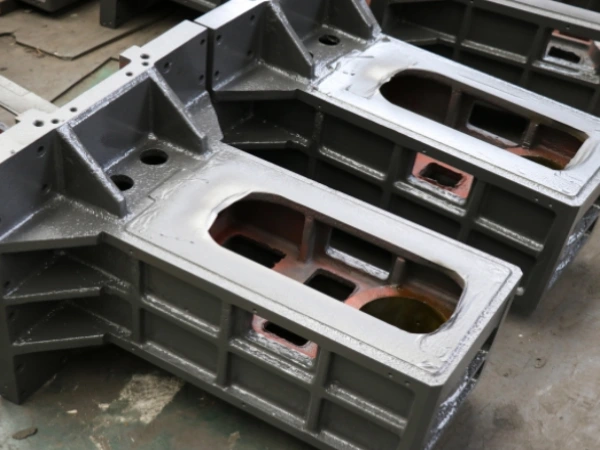
carbon steel casting
Carbon steel casting is commonly selected for valve bodies, pump housings, frames, brackets, lifting hardware and general machinery parts where strength, weldability and cost control are important.
Typical discussions may include WCB, WCC, ZG200-400, ZG230-450, ZG270-500 and related project standards.
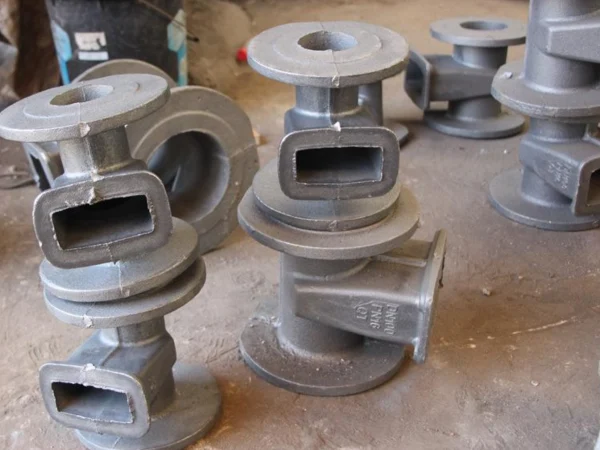
alloy steel casting
Alloy steel casting parts are used when the project needs higher wear resistance, impact strength, toughness, hardness or elevated-temperature performance.
Common discussions may include ZG35CrMo, ZG42CrMo, Mn13 and selected alloy steel routes, depending on heat treatment and inspection requirements.
Material comparison: for corrosion-resistant applications, compare stainless steel casting. For damping and machinability, review iron casting services.
Casting Route
Steel Casting Process Selection for OEM Parts
The right steel casting process depends on part weight, geometry, annual volume, machining allowance, surface expectation, heat treatment and inspection scope. We compare the route before quoting instead of forcing every project into one process.
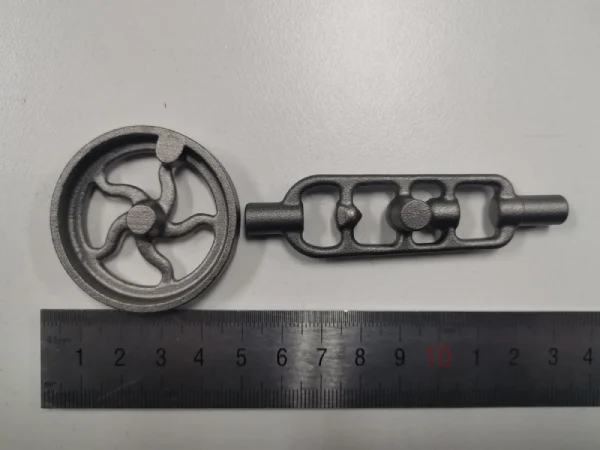
steel investment casting
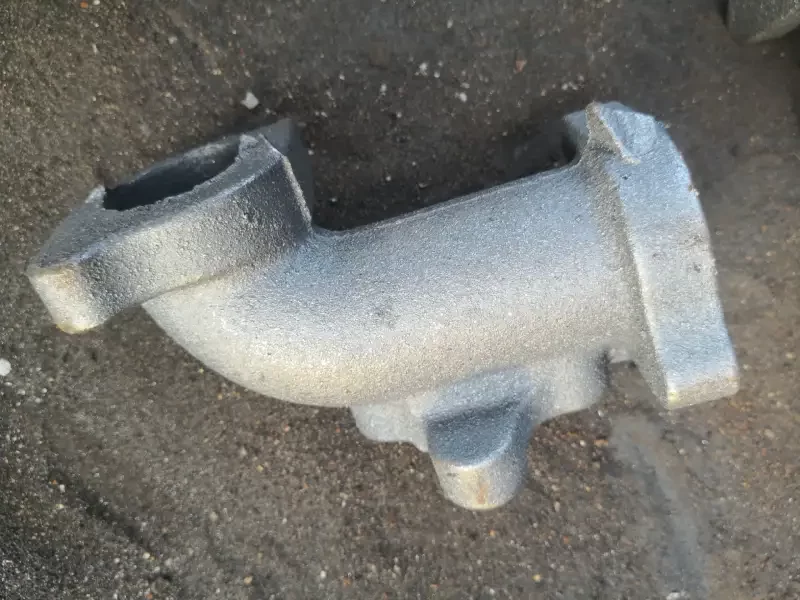
steel sand casting
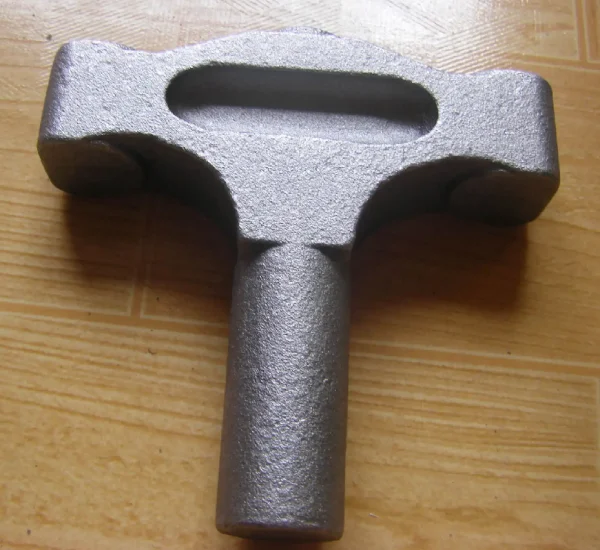
steel Permanent mold casting
Visit Supro steel Casting Foundry
디자인 - 프로토타입 - 금형 - 주조
수프로 메탈 파운드리(Supro Metal Foundry)는 중국을 선도하는 금속 주조 부품 제조업체인 당사는 1997년에 설립되었으며, 지속적인 주조 기술 업그레이드와 첨단 주조 장비 교체를 통해 업계를 선도하는 주조 기업으로 성장했습니다. 8,800제곱미터의 부지에 3개의 주조 작업장과 정밀 CNC 가공 및 표면 코팅 작업장을 보유하고 있으며, 120명의 기술 직원, 18명의 품질 엔지니어, 17명의 핵심 경영진이 안정적인 금속 제품을 제공합니다. 부품 캐스팅 중국 및 전 세계 3,800여 개 구매 기업을 대상으로 공급 프로젝트를 수행합니다.
We specialize in metal castings with various complex structures, and use our rich knowledge of 주조 재료 and casting experience to deliver high-quality metal casting parts to customers on time through professional casting techniques.
Whether rapid casting prototype or high volume casting, we can provide strong casting capabilities, including: product design and optimization, mold design and manufacturing, metal casting process, quality control, precision CNC machining, material and physical property testing, surface coating , as well as one-stop metal casting services such as packaging and transportation.
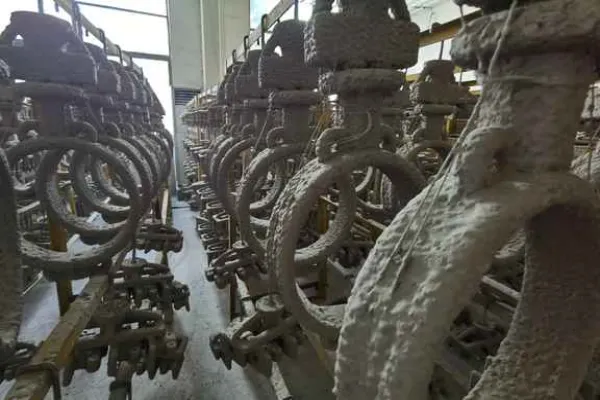
Request a Drawing Review Before Tooling
Send material grade, annual volume, heat treatment notes, machining areas and inspection requirements. We will compare the steel casting route and quotation path before tooling decisions are made.
Engineering Review
Steel Casting Engineering Review Before Tooling
Every custom steel casting project should be reviewed before tooling. This review helps reduce shrinkage risk, hot spots, machining surprises and inspection disputes before molten steel is poured.
Geometry and Castability
We review wall transitions, ribs, bosses, undercuts, draft, fillets, thick-to-thin sections and core structure. The goal is to keep the function while reducing avoidable casting risk.
Machining Allowance
Mark sealing faces, mounting surfaces, datum references, holes, threads and flatness requirements. CNC machining allowance should be planned together with casting route and inspection scope.
Inspection Planning
Critical dimensions, material certificates, hardness, mechanical performance and NDT requirements should be defined before order release, not after shipment.
열처리
Heat Treatment Review for Steel Castings
Heat treatment is not an add-on note for steel casting. It affects hardness, strength, toughness, machinability, dimensional stability and final service performance. The heat treatment route should follow material grade and target mechanical properties.
Normalizing
Used to refine structure and improve machinability for many carbon steel 배역.
Quenching + Tempering
Used when hardness, toughness and strength balance must be controlled by grade and service condition.
Stress Relief
Important for parts that need stable dimensions after casting, welding or heavy machining.
Project-Specific Route
Wear-resistant and alloy steel parts may need a different heat treatment route based on the standard and test requirements.
Quality Control
Steel Casting Inspection and Quality Reports
당사는 고품질의 금속 주물 납품과 전문적인 품질 관리 팀이 모든 주조 공정을 모니터링합니다 다음과 같은 공정: 표면 결함, 내부 결함, 치수 결함 및 재료 조성.
당사는 제품의 기능과 미적 완성도에 더욱 중점을 두고 있으며, 여기에는 오일 및 기밀성, 표면 스프레이(맞춤 색상), 연마, 도장 등이 포함됩니다.
- 표면 결함 검사.
- 포함성 검사.
- 내부 주조 결함.
- 냉각 결함이 발생하고 있다.
- 외관 및 구조 검사.
- 치수 품질 검사.
- CMM 방식의 비트 크기 감지.
- 화학 조성 분석 (분광법).
- 기계적 특성 시험.
- 파괴적 탐지.
- 비파괴 검사(NDT).
- 조립 및 테스트.
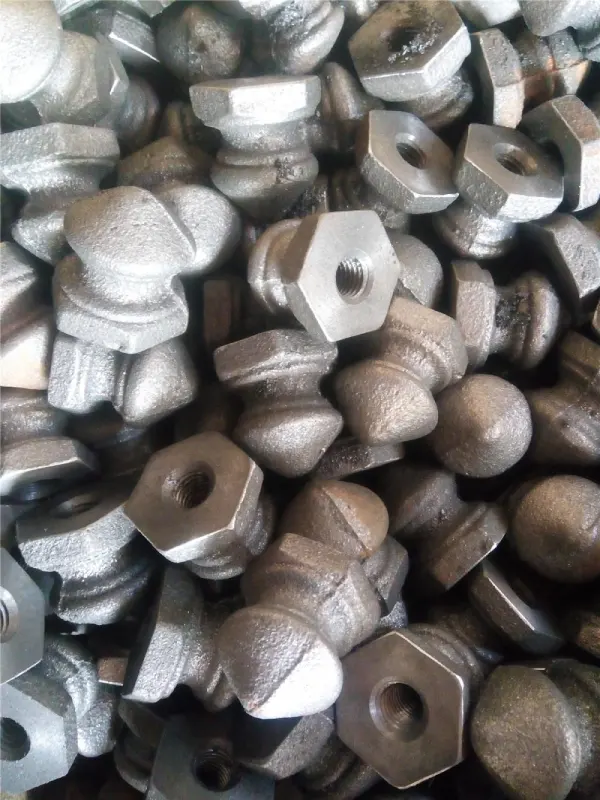
Buyer Questions
Steel Casting FAQ for OEM Buyers
These questions focus on RFQ preparation, material selection, inspection and post-delivery quality handling.
Send 2D drawings or 3D models, material grade or target mechanical properties, quantity, annual volume, heat treatment requirements, machining areas, surface finish, application and inspection requirements. If the grade is not fixed, share the working load, impact risk, wear condition and service temperature. |
Carbon steel casting is commonly selected for general machinery, valve bodies, pump housings, brackets and structural parts where strength, weldability and cost control matter. Alloy steel casting is reviewed when the part needs higher wear resistance, impact strength, hardness, toughness or elevated-temperature performance. |
Choose steel casting when the component requires higher tensile strength, weldability, shock-load performance or safety-critical strength. Choose iron casting when vibration damping, machinability and cost control are more important than severe impact resistance. |
강철 sand casting is practical for larger cast steel parts and low-to-medium volume projects. Steel 정밀 주조 is used for smaller precision parts with complex geometry. Resin sand or shell mold can be selected when better dimensional consistency and surface quality are needed. |
Yes. Heat treatment can be arranged according to the steel grade and performance requirements, including normalizing, stress relief, quenching and tempering, and other project-specific routes. Final parameters should follow the drawing, material standard and mechanical property targets. |
Yes. Many steel cast parts require CNC machining for holes, threads, sealing faces, datum references, mounting surfaces and assembly areas. Machining requirements should be included in the RFQ so the casting allowance and inspection plan can be set correctly. |
Inspection can include chemical composition analysis, dimensional reports, hardness testing, mechanical property testing, CMM inspection, visual inspection, packing review and NDT such as MT, UT or PT when required. Material certificates and inspection reports should be defined before order release. |
MOQ, sample timing and production lead time should be confirmed after drawing review, because they depend on tooling, part weight, material grade, heat treatment, machining scope, inspection requirements and annual volume. |
Yes. Prototype and small-batch projects can be reviewed before repeat production. This helps verify geometry, assembly, machining areas, heat treatment response and inspection requirements before larger tooling or batch orders. |
Get a Custom Steel Casting Quote
Upload your drawing, model or sample photos. Please include material grade, quantity, annual volume, heat treatment requirement, machining areas, surface finish and inspection requirements.
What to include in your RFQ
- Drawings: PDF, DWG, DXF, STEP, STP, IGES or OBJ
- Material: grade or target mechanical properties
- Volume: batch quantity and annual forecast
- Heat treatment: hardness, strength or standard if required
- Machining: mark critical surfaces and tolerances
- Inspection: dimensional report, material certificate, NDT or mechanical testing needs
✓ Drawing-based quotation
 English
 Français
 Deutsch
 Italiano
 日本語
 한국어
 Polski
 Português de Angola
 Русский
 Español de Argentina