
Agricultural Machinery Casting
Agricultural Castings Manufacturer for Tractor and Farm Equipment Parts
Agricultural castings operate under abrasive soil, impact, vibration, contamination and long field-service intervals. A bracket, gearbox housing and ground-engaging component may all be used on farm machinery, but they do not require the same alloy, hardness, heat-treatment or inspection plan. Supro MFG reviews drawing-based agricultural machinery casting projects for tractor, tillage, harvester, implement and equipment components, with casting, CNC machining, inspection and specified secondary operations coordinated around the approved drawing.
25+ Years
Drawing-Based Review
Casting + CNC
Agreed Documentation
Material, dimensional and traceability scope
PROJECT FIT SNAPSHOT
Is Your Agricultural Casting Project a Fit?
Use this quick check before sending a drawing. Final feasibility is confirmed from the controlled technical information and project scope.
| Part types | Tractor brackets, carriers, gearbox or transmission housings, mounting parts, implement components and selected wear-exposed castings. |
|---|---|
| Project status | New designs, approved production drawings, cost-down reviews and authorized legacy or replacement-part enquiries. |
| Supply scope | Raw, semi-machined or machined castings, with heat treatment, finishing and inspection included only when defined in the quotation. |
| Material review | Ductile iron, gray iron, cast steel and buyer-specified alloys reviewed against load, impact, wear, machining and documentation requirements. |
| Required input | Controlled drawings or authorized samples, field-service conditions, quantity, machining interfaces, inspection requirements and delivery expectations. |
| Evidence package | Material, dimensional, hardness, mechanical-property and traceability records can be defined according to the agreed project scope. |
| Not a fit | Retail spare-part sales, same-day repair supply, or reproduction of branded components without customer ownership or written authorization. |
DRAWING-BASED PROJECT REVIEW
Custom Agricultural Casting Support for OEM and Replacement Programs
The page is designed for OEM buyers, equipment manufacturers, replacement-part distributors and specialty machinery builders that need custom agricultural castings rather than catalogue retail parts. Enquiries may cover new designs, existing production parts, cost-down projects or legacy components supported by drawings, samples and field information.
The first objective is not to force the part into one casting route. Supro reviews the required function, load path, wear location, mating interfaces, annual quantity, seasonal delivery window and downstream machining before recommending sand casting, investment casting or another manufacturing route. Parts that are better fabricated, machined from wrought stock or purchased as standard hardware should remain outside the casting scope.
Buyers evaluating an agricultural casting manufacturer should compare total project cost, tooling, machining, validation and replacement risk rather than selecting a supplier from a metal price per kilogram.
COMPONENT FAMILIES
Agricultural Machinery Components We Can Review
Feasibility is confirmed from the drawing, field condition, material, size, wall thickness, machining scope, quantity and evidence requirements.
01
Tractor & Powertrain Components
Brackets, carriers, covers and support castings where load path, fatigue, mounting accuracy and batch interchangeability matter.
02
Gearbox & Transmission Housings
Housings and cases requiring stable datum strategy, bearing-bore alignment, sealing faces and controlled machining allowance.
03
Tillage & Ground-Engaging Components
Selected supports, holders and wear-exposed parts reviewed against abrasion mechanism, impact, replaceable-edge strategy and field-life target.
04
Harvester & Implement Components
Combine, seeding, spreading and implement castings where repeated load, contamination and seasonal availability influence the plan.
05
Hydraulic, Irrigation & Drive Housings
Pump, motor, bearing and drive-system housings reviewed for passages, sealing, machining and inspection requirements.
06
Legacy & Replacement Components
Sample-based or drawing-recovery projects can be reviewed separately when original data is incomplete, the buyer can provide service and failure evidence, and the buyer owns or is authorized to reproduce the component.
LOAD, IMPACT & WEAR BALANCE
Materials for Agricultural Castings
The ordered grade follows the application and purchase specification. Standard ductile iron should not be presented as a universal wear material.
01
Ductile Iron for Load-Bearing Parts
Commonly considered for brackets, carriers, housings and mounting components that need strength, impact tolerance and machinability. ASTM A536 may apply when specified.
02
Gray Iron for Housings & Damping
Considered where damping, thermal stability, machinability and cost are more important than high impact tolerance. ASTM A48/A48M may apply when specified.
03
Cast Steel for Higher Impact or Strength
Reviewed where the load case, weldability, impact requirement or section design makes a steel casting more suitable than iron.
04
ADI or Wear-Resistant Iron by Specification
Austempered ductile iron or abrasion-resistant cast iron may be evaluated for selected projects, but suitability depends on base iron, section size, heat treatment, microstructure, impact and verification requirements.
ASTM A536 is a specification for ductile iron castings; it is not a general list of “wear grades.” ASTM A48/A48M covers gray iron castings for general engineering use where tensile strength is a major consideration. When a project requires austempered ductile iron, ASTM A897/A897M may be relevant. High-abrasion applications may instead reference a wear-resistant cast iron specification such as ASTM A532/A532M or a customer-specific material.
These standards are examples of purchase requirements, not automatic claims that every Supro casting complies with every grade. The drawing or purchase order should identify the exact standard, grade, edition, test coupons, heat treatment, microstructure, hardness and acceptance criteria.
PROCESS SELECTION
Selecting a Casting Process for Farm Equipment Parts
01
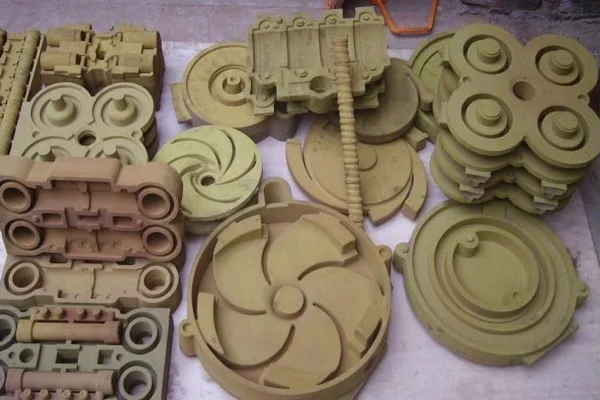
Sand Casting for Agricultural Iron Components
Often suitable for ductile iron, gray iron and steel parts with larger envelopes, moderate detail and low-to-medium production volumes. Tooling and molding route are selected from size, quantity, surface and defect requirements.
02
Investment Casting for Smaller Complex Parts
Can suit selected smaller steel or other compatible alloy components that require complex geometry, closer as-cast detail and reduced machining. It is not automatically the lowest-cost route for larger farm-equipment parts.
03
Prototype or Sample-Based Routes
Prototype casting, machined samples or temporary tooling can be considered where design validation is required before production tooling, subject to material and test requirements.
The quotation should clearly separate tooling, samples, production castings, machining, heat treatment, finishing, inspection, packaging and any validation work. This prevents a technically incomplete low quotation from becoming a more expensive project after tooling release.
DFM BEFORE TOOLING
Engineering Review Before Agricultural Casting Production
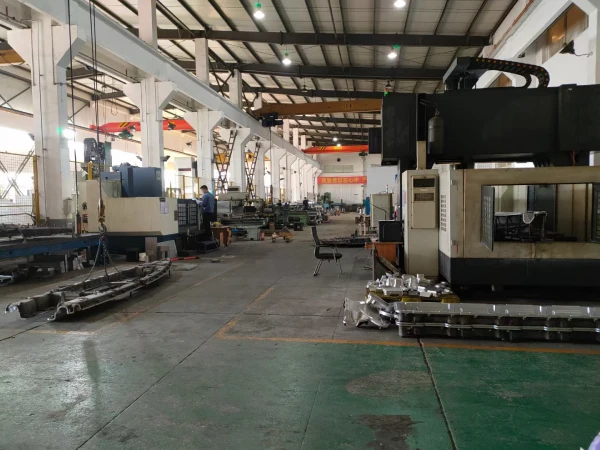
The strongest opportunity to reduce casting cost and field risk occurs before the pattern, die or fixture is approved. Supro reviews the 2D drawing, 3D model, material specification, machining drawing and service notes together. The review considers wall-thickness transitions, isolated heavy sections, ribs, bosses, fillets, draft, parting line, cores, feeding direction and clean-out access.
Machining review connects as-cast allowance to the finished datum system. Bearing bores, mounting faces, bolt patterns, shaft alignment, sealing surfaces and other critical-to-quality features are identified before tooling. The review also considers heat-treatment distortion, fixture access, inspection datums and how batch parts will remain interchangeable.
For wear-exposed parts, the buyer should identify the actual wear zone, direction of material flow, impact points and whether a replaceable insert or sacrificial edge is preferable. Recommended changes are returned for customer approval; the design intent is not changed without written agreement.
FIELD PERFORMANCE
Wear, Impact and Heat-Treatment Review
A wear requirement should describe the mechanism, not only a target hardness. Useful inputs include soil or material type, abrasive particle size, moisture, impact severity, operating speed, contact angle, current material, existing hardness, failure location and the desired improvement.
Normalizing, quenching and tempering, austempering or other heat-treatment routes may be relevant to a specified material, but the process must be matched to section size, chemistry, mechanical-property target and verification plan. ADI is not simply a generic post-treatment applied to any ductile iron casting; it requires suitable base iron, controlled austempering and confirmation of the required mechanical properties and microstructure.
The quotation should state whether heat treatment is included, where it is performed, which cycle or specification applies, and which reports or tests are required. No field-life guarantee should be inferred from hardness alone.
WHY SUPRO MFG
Why Source Agricultural Castings from Supro MFG
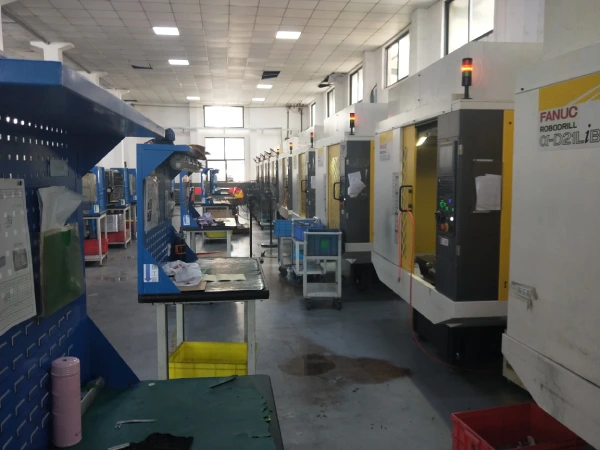
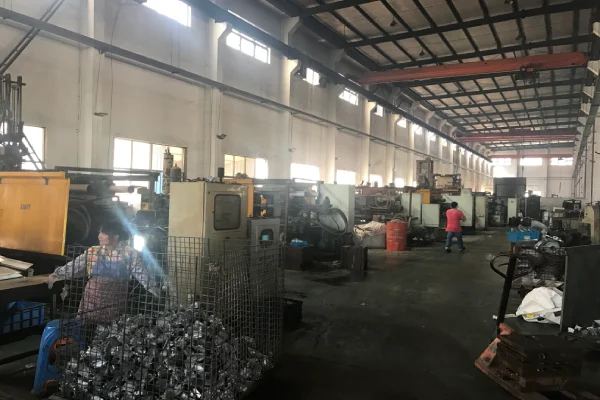
Supro Metal Casting Foundry is China leading metal casting parts manufacturer, founded in 1997, with continuous upgrading of casting technology and replacement of advanced casting equipment, we have become an industry-leading casting enterprise, covering an area of 8,800 square meters, with three castings The workshop, a precision cnc machining and surface coating workshop, has 120 technical employees, 18 quality engineers, and 17 core company management. Provide stable metal casting parts supply projects for 3800+ purchasing companies from China and the world.
We specialize in metal castings with various complex structures, and use our rich knowledge of casting materials and casting experience to deliver high-quality metal casting parts to customers on time through professional casting techniques.
Whether rapid casting prototype or high volume casting, we can provide strong casting capabilities, including: product design and optimization, mold design and manufacturing, metal casting process, quality control, precision CNC machining, material and physical property testing, surface coating , as well as one-stop metal casting services such as packaging and transportation.
CASTING TO ASSEMBLY-READY PART
CNC Machining and Secondary Operations
Agricultural castings often require machining of bearing bores, shaft locations, mounting faces, bolt patterns, threads, sealing faces and alignment features.Combining casting and CNC review helps establish realistic machining stock, fixture locations and inspection datums before the casting is released.
Depending on the drawing, the quoted scope may include milling, turning, boring, drilling, tapping, reaming and inspection of finished features. Blasting, cleaning, painting, powder coating, marking, preservation and transport protection can also be discussed when they are compatible with the material and downstream assembly process.
Universal tolerances or surface-finish values are not stated on this page. Finished dimensions, geometric tolerances, surface roughness and inspection frequency are confirmed from the controlled drawing.
QUALITY EVIDENCE
Batch Consistency, Inspection and Traceability
Agricultural buyers need repeatable parts across batches, especially where replacement components must fit existing machines. A project control plan may include melt chemistry verification, visual inspection, dimensional or CMM checks, hardness and mechanical-property testing, heat-treatment records, coating checks and traceability from heat or batch identification to inspection results.
First-article or sample inspection, critical-dimension frequency, test-coupon requirements, marking and retention of records should be agreed before quotation. For high-wear or safety-relevant applications, the customer should also define microstructure, NDT or field-validation requirements where applicable. NDT method, acceptance criteria, frequency and whether testing is performed internally or by an approved external laboratory are confirmed in the quotation.
The evidence package is part of the product scope. It should be priced and scheduled with the casting rather than requested after production has started.
PREPARE A USEFUL RFQ
What to Send for an Agricultural Casting Quotation
A complete RFQ reduces assumptions and helps compare tooling, material, machining, inspection and delivery before pricing.
| RFQ input | What to include | Why it matters |
|---|---|---|
| Drawing & model | Controlled PDF, DWG or DXF drawing plus STEP, STP or IGES model when available | Defines revision, geometry, tolerances, datums and technical notes |
| Existing part or sample | Photos, measured dimensions, worn or fractured sample, wear map and mating-part information | Supports legacy-part review and identifies current failure mode |
| Field-service condition | Soil/material type, moisture, impact, load, speed, contamination, operating hours or acreage | Explains the actual abrasion, impact and fatigue environment |
| Material & standard | Required grade, standard, permitted equivalents, heat treatment and certificate format | Controls casting route, properties, tests and traceability |
| Wear & performance target | Current material/hardness, wear zone, failure location, desired improvement and validation method | Prevents hardness from being used as a stand-alone wear-life assumption |
| Quantity & seasonal window | Prototype quantity, batch size, annual forecast, required delivery window and safety-stock plan | Drives tooling, capacity, batch planning and delivery feasibility |
| Machining & interfaces | Finished dimensions, CTQ features, bearing bores, mounting faces, threads and surface finish | Connects casting allowance to assembly and interchangeability |
| Secondary operations | Heat treatment, blasting, coating, marking, preservation and packaging | Defines the complete supply scope before pricing |
| Inspection & evidence | Material certificate, chemistry, dimensions/CMM, hardness, mechanical tests, microstructure or NDT | Defines acceptance criteria and the documentation package |
| Destination & commercial terms | Delivery destination, packaging requirements and Incoterm | Affects logistics scope and landed cost |
CONTROLLED OEM WORKFLOW
From Drawing Review to Production
01
RFQ Review
Drawings, models, alloy, quantity and inspection scope.
02
Technical Clarification
Process, tooling, cores, heat treatment and open questions.
03
Quotation
Tooling, samples, production, machining, inspection and packing.
04
Tooling & Samples
Validate the approved drawing and sample inspection plan.
05
Production Control
Maintain melt, molding, machining and inspection records.
06
Final Inspection
Verify parts, reports, marking and transport protection.
A controlled OEM valve casting project normally moves through the following stages:
- RFQ review: drawing, 3D model, material, quantity, machining scope, inspection requirements, and destination are checked.
- Technical clarification: the engineering team identifies open questions about process, tooling, cores, heat treatment, machining, and documentation.
- Quotation and manufacturing plan: the proposal separates tooling, samples, production parts, machining, finishing, inspection, and logistics.
- Tooling and sample validation: patterns, dies, or wax tooling are prepared and sample parts are inspected against the approved drawing.
- Production control: melt, molding, pouring, cleaning, heat treatment, machining, and inspection records are maintained according to the agreed plan.
- Final inspection and packing: parts are verified, protected against transport damage and corrosion as required, and packed for the agreed shipping method.
No production timing, minimum order quantity, or universal tolerance is stated on this page because those values depend on the selected process, alloy, tooling, part size, inspection scope, and order quantity.
PURCHASING QUESTIONS
Agricultural Casting FAQ
What agricultural components can be reviewed for casting?
Drawing-based enquiries may include tractor brackets and housings, gearbox and transmission cases, tillage and implement components, harvester parts, hydraulic or drive housings, structural mounts and selected wear-exposed components. Feasibility depends on the drawing, field condition, alloy, size, machining, quantity and evidence requirements.
Which materials are commonly used for agricultural castings?
Common options include ductile iron, gray iron, cast steel and buyer-specified wear-resistant irons. ASTM A536 may apply to ductile iron and ASTM A48/A48M to gray iron when specified. The exact grade, heat treatment, tests and permitted equivalents must be confirmed from the purchase specification.
Is ductile iron always the best choice for agricultural wear parts?
No. Ductile iron is widely used for load-bearing brackets, housings and mounts because it combines strength, impact tolerance and machinability. A ground-engaging or high-abrasion part may require a different ductile iron condition, ADI, abrasion-resistant cast iron, cast steel or another manufacturing route.
Does a higher hardness guarantee longer field life?
No. Wear life also depends on abrasion mechanism, impact, microstructure, section thickness, geometry, support condition, operating speed and soil or material characteristics. Hardness is one control input and should be evaluated with field and failure information.
Can ADI or abrasion-resistant cast iron be reviewed?
Selected projects can be reviewed when the required standard, section size, base iron, heat treatment, mechanical properties, microstructure and validation plan are defined. ADI and abrasion-resistant iron should not be treated as generic upgrades for every agricultural component.
When should sand casting or investment casting be used?
Sand casting is commonly reviewed for larger ductile iron, gray iron or steel components and low-to-medium production volumes. Investment casting can suit smaller complex components that need closer as-cast detail and reduced machining. Final selection follows the drawing, material, quantity, tooling, inspection and cost review.
Can CNC machining and finishing be included?
Machining can be reviewed for bearing bores, mounting faces, bolt patterns, threads, sealing surfaces and alignment features. Blasting, cleaning, painting, powder coating, marking and transport protection can also be discussed when compatible with the material and assembly process.
Can a worn sample or discontinued farm-equipment part be reviewed?
A sample-based or reverse-engineering scope can be reviewed when the buyer owns the part data or has written authorization to reproduce it. Provide the worn or fractured sample, photographs, measured dimensions, mating-part information, field condition, current material and the required validation method. Dimensional and design responsibility must be agreed before production.
What inspection and traceability documents can be supplied?
The agreed package may include material certificates, chemistry results, dimensional or CMM reports, hardness and mechanical-property results, heat-treatment records, coating checks, microstructure or specified NDT reports, and heat- or batch-to-record traceability. NDT method, acceptance criteria, frequency and execution route are defined before quotation.
Can seasonal batch programs be supported?
Seasonal batch programs can be reviewed. Provide the required delivery window, batch quantity, annual forecast, tooling status, approval status and safety-stock expectations so production and shipping feasibility can be confirmed before quotation.
Which files and project details should I send for a quotation?
Send a controlled 2D drawing, 3D model when available, material standard, field-service condition, wear or failure information, quantity, seasonal timing, machining, heat treatment, inspection, documentation, packaging and destination. A generic price per kilogram is not reliable until these variables are reviewed.
START WITH THE DRAWING
Send Your Drawing for a Manufacturability Review
Your enquiry will be reviewed for process fit, material questions, tooling scope, machining interfaces, inspection requirements and quotation assumptions. The response will identify the technical information that must be clarified before a project-based quotation is prepared.