
Custom Metal casting parts surface treatment services
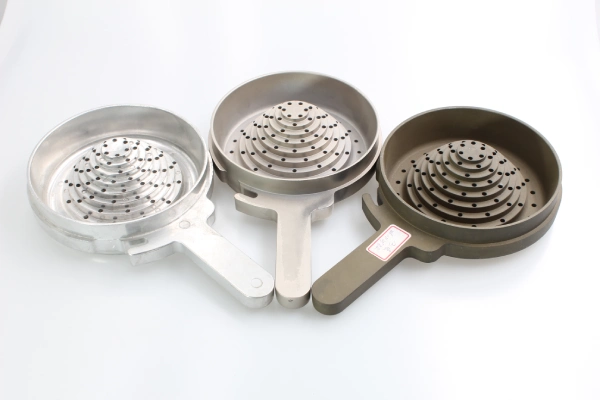
Custom metal casting Surface treatment fundamentally aims to comprehensively enhance their overall performance and value by applying coatings or altering surface conditions. Key functions include:
– Enhancing corrosion and wear resistance to extend service life;
– Improving decorative appearance to elevate product grade and distinctiveness;
– Providing specialized functions (e.g., conductivity, insulation);
– Delivering an optimal substrate for subsequent painting to ensure coating adhesion.
Its essence lies in achieving a unified balance of protection, aesthetics, and functionality.
Supro Metal Foundry delivers comprehensive, one-stop surface treatment solutions for metal castings, encompassing all mainstream processes from mechanical cleaning and chemical conversion to advanced plating and decorative finishes. Beyond our specialized processing capabilities, we provide precise technical selection guidance and process optimization services tailored to casting materials, intended applications, and cost considerations. This ensures each product achieves the optimal balance of performance, aesthetics, and reliability.
Supro provides investment casting with integrated surface finishing.
Mechanical Treatment
Chemical Treatments
Coating Additions
Printing & Marking
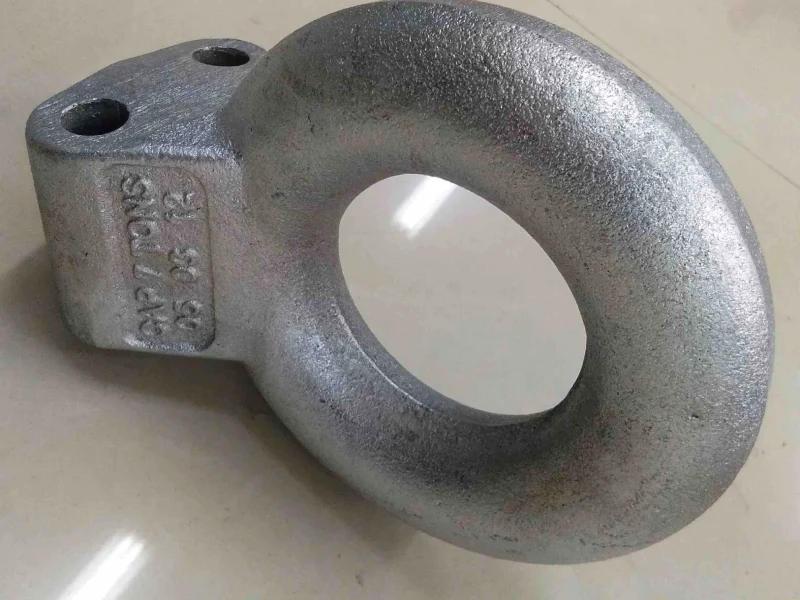
Sandblasting
Sandblasting serves as the critical first step in removing heat treatment scale, casting black skin, and weld slag. It provides a uniform substrate for subsequent acid pickling and passivation, ensuring the quality of the passivation film. Common abrasives include brown fused alumina or stainless steel shot.
Sandblasting is the standard pretreatment for eliminating release agent residues, oxide layers, and minor burrs while achieving a uniform matte finish.
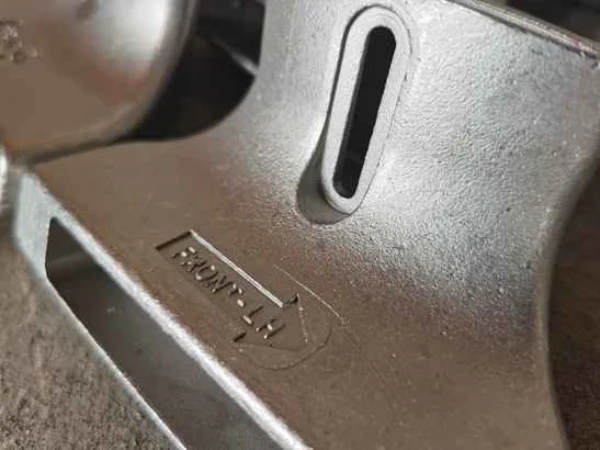
Shot Blasting
Shot blasting is a core post-processing technique for metal castings. Its primary functions include: thoroughly removing mold sand, scale, and impurities from casting surfaces; critical strengthening by creating a residual compressive stress layer through high-velocity shot impact, significantly enhancing fatigue strength and stress corrosion resistance; and surface preparation by eliminating burrs and flash to achieve a uniform, consistent matte finish that provides excellent adhesion for subsequent coating or plating. Combining cleaning, strengthening, and preparation into one process, it is a critical step for enhancing the intrinsic quality, reliability, and appearance of castings.
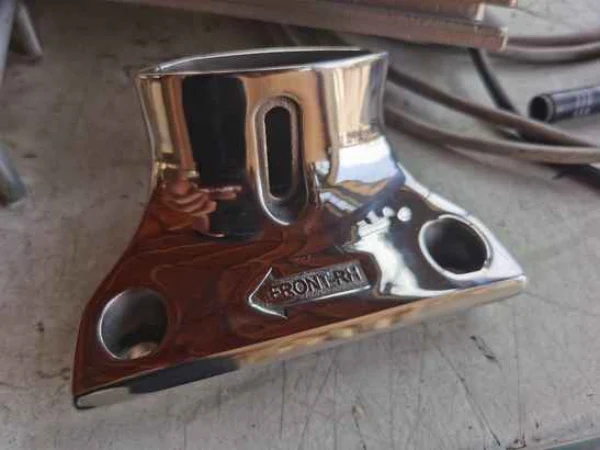
Mirror Polishing
Mirror polishing represents the highest level of surface finishing for metal castings. Its core function lies in achieving an exceptionally smooth, highly reflective mirror surface, significantly enhancing the product's visual texture, gloss, and luxurious feel. This process meets the demands of high-end decoration and applications with stringent aesthetic requirements (such as crafts, premium bathroom fixtures, and precision components). Additionally, the ultra-low surface roughness reduces friction resistance, facilitates cleaning, and enhances stain resistance.
Brushed Polishing
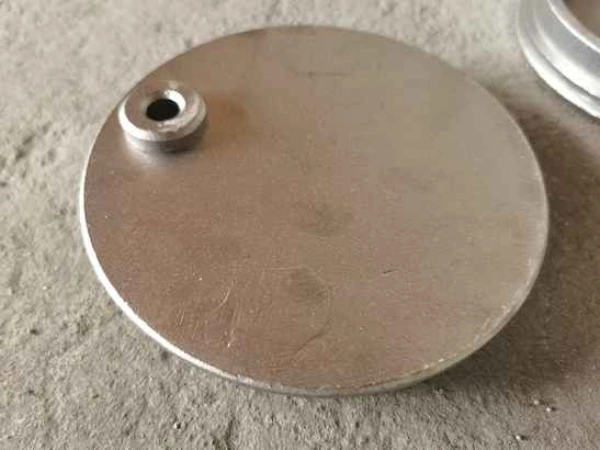
Brushed polishing is a decorative process that creates fine, unidirectional textures on the surface of metal castings. Its core function is to form a unique matte, thread-like texture that effectively enhances the appearance and conceals minor casting imperfections. Additionally, brushed surfaces offer improved wear and scratch resistance while resisting fingerprint marks, combining both decorative appeal and practical functionality.
Vibratory Polishing
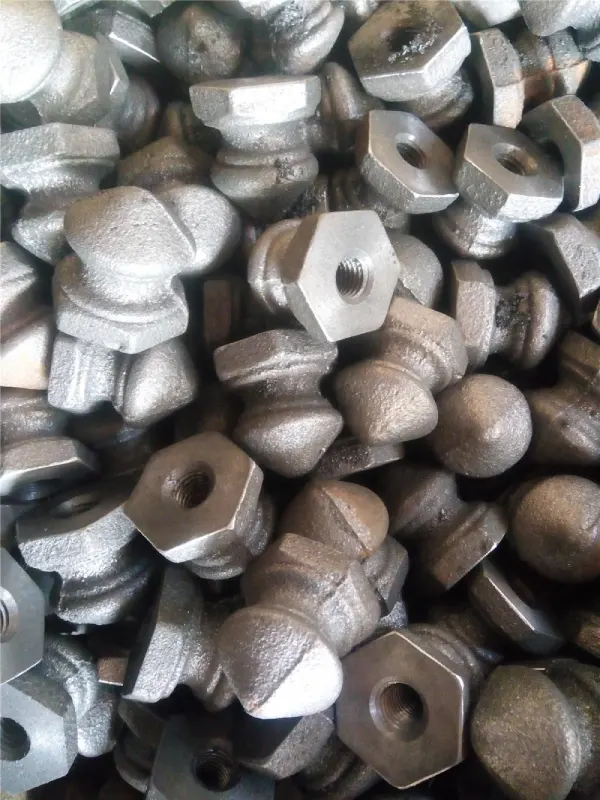
Vibratory polishing finishing achieves gentle, batch-processed surface finishing by inducing continuous friction between abrasives and castings through vibration. Its core function is to efficiently remove burrs and round off sharp edges while creating a uniform, fine matte surface, significantly enhancing part tactility and safety. This process is particularly suited for treating small castings with complex structures, delivering consistent finishing results while maintaining dimensional accuracy.
Acid Pickling and Passivation
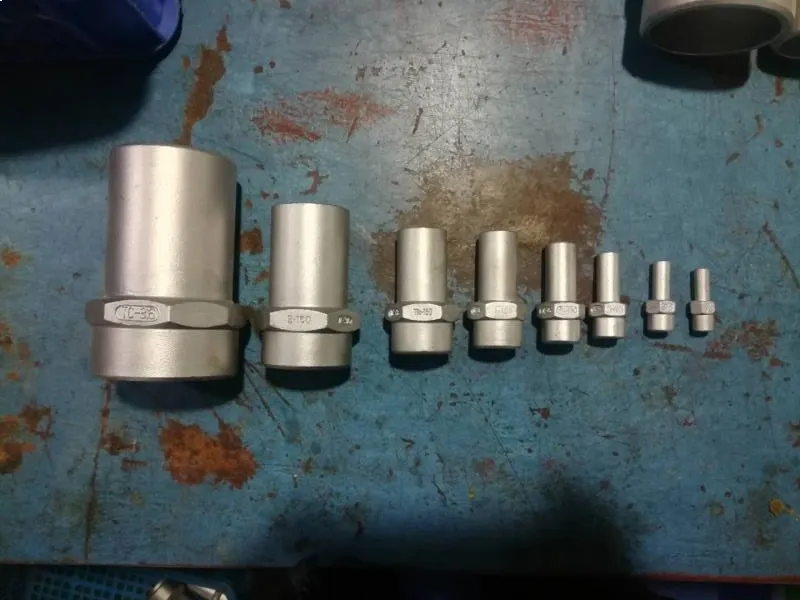
Pickling and passivation are a combined chemical surface treatment process for stainless steel castings.
Acid pickling dissolves surface scale, rust, and impurities using acid solutions to clean the substrate and expose fresh metal. Passivation, performed after acid pickling, employs an oxidizing medium to form a dense, uniform chromium-rich passivation film on the surface.
Together, these processes aim to fully restore and significantly enhance the inherent corrosion resistance of stainless steel castings, serving as a critical process for ensuring their long-term stable service life.
Electropolishing
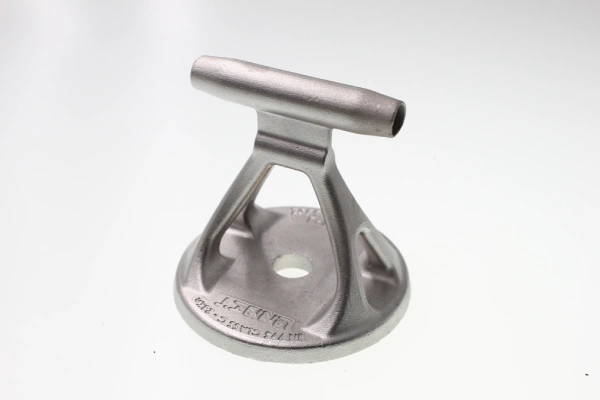
Electropolishing is an electrochemical surface finishing process that selectively dissolves microscopic protrusions on the surface of metal castings, rendering them exceptionally smooth and lustrous to achieve a near-mirror finish.
It efficiently removes oxide layers and embedded impurities, significantly enhancing the corrosion resistance of materials like stainless steel while eliminating minor surface imperfections.
This technique is particularly suited for medical devices, food processing equipment, and highly decorative components where stringent requirements exist for cleanliness, corrosion resistance, and reflectivity.
Chromate Conversion
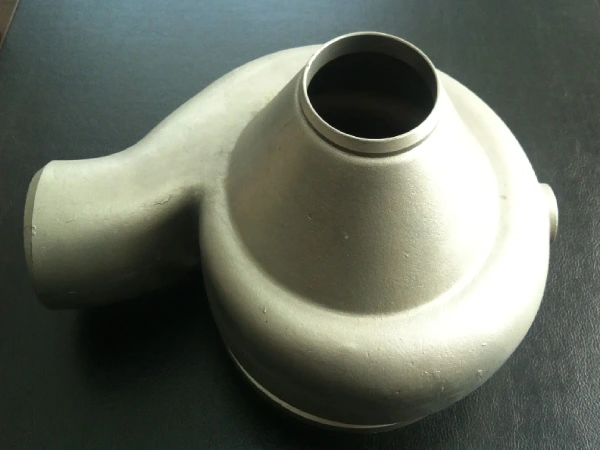
Chromate conversion coating is a corrosion-resistant process that forms a chemical conversion film on non-ferrous metal castings such as aluminum and zinc. It creates a protective layer containing chromium compounds on the casting surface, significantly enhancing the substrate's corrosion resistance and providing an excellent foundation for paint adhesion. Traditional hexavalent chromium treatment delivers outstanding results but is increasingly being replaced by more environmentally friendly trivalent chromium or chromium-free conversion technologies. This process remains a critical step in pre-painting surface preparation.
Anodizing
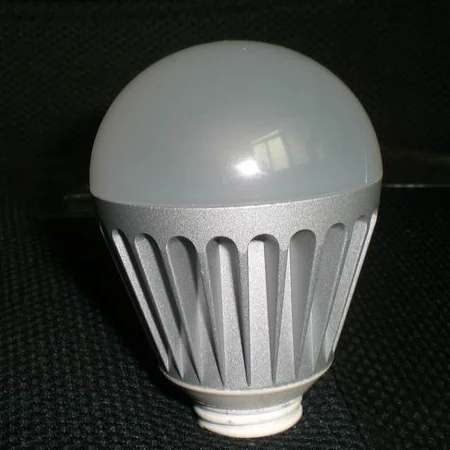
Anodizing is an electrochemical treatment applied to castings of lightweight metals such as aluminum and magnesium. It generates a dense, hard ceramic layer of aluminum oxide directly on the surface, significantly enhancing the part's corrosion resistance, wear resistance, and electrical insulation properties.
Additionally, it can achieve a wide range of decorative colors through dye adsorption.
This process is particularly suitable for applications requiring both functional performance and aesthetic appeal, such as precision components or decorative parts.
Powder Coating
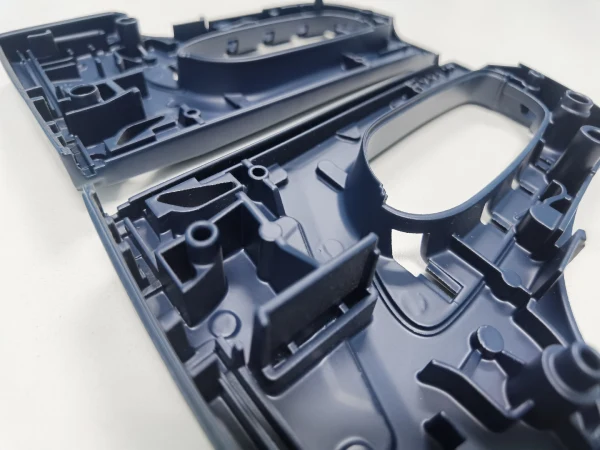
Powder coating provides dense, durable organic coatings for metal castings, particularly aluminum alloys. Through electrostatic adhesion and high-temperature curing, it forms a highly adhesive protective film that delivers exceptional corrosion resistance, abrasion resistance, and weatherability.
Offering a wide range of color options, uniform coating thickness, and the ability to apply thick layers, this solvent-free process is environmentally friendly and highly efficient. It stands as a mainstream industrial surface treatment technology that balances protection with aesthetic appeal.
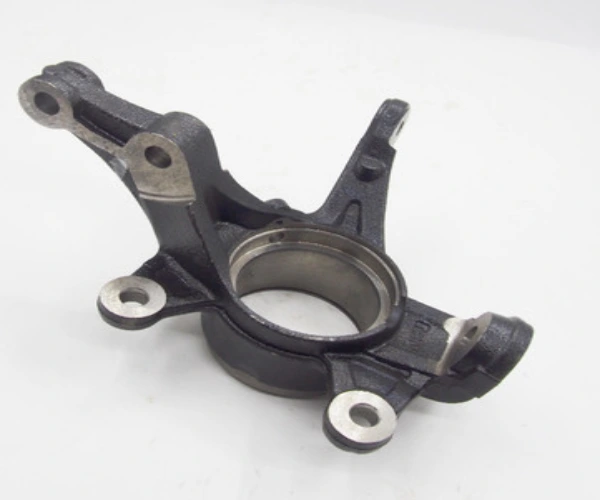
ChromePlating
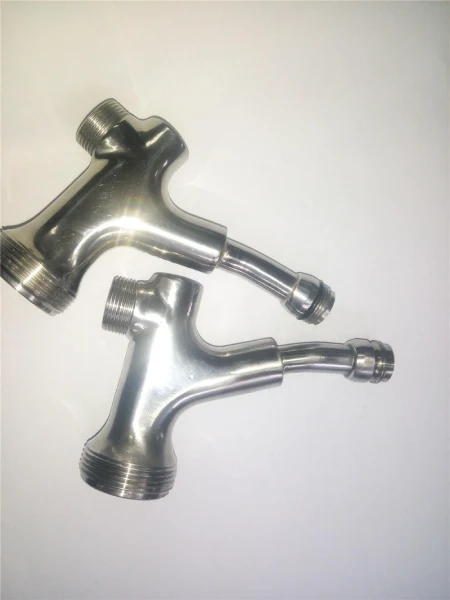
Electroplating chromium deposits a layer of hard chrome coating onto the surface of metal castings. It delivers exceptional surface hardness and outstanding wear resistance while imparting a signature mirror-like silver-white luster, combining decorative appeal with functional protection. Widely used on components requiring both wear resistance and corrosion resistance alongside aesthetic appeal, such as bathroom hardware, molds, and automotive parts.
Titanium Plating
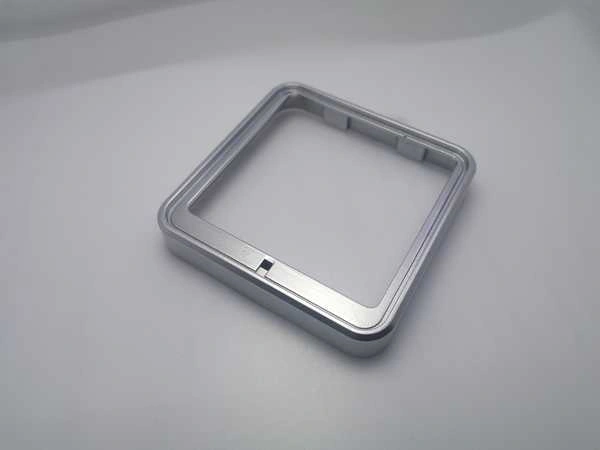
Electroplating titanium technology deposits titanium alloy coatings (such as titanium nitride and titanium carbide) onto metal castings in a vacuum environment.
This process endows castings with ultra-high surface hardness, exceptional wear resistance, outstanding corrosion resistance, and rich decorative colors (such as gold and gunmetal black). It also offers environmental benefits and is widely used in high-end decorative hardware and functional components.
Nickel Plating
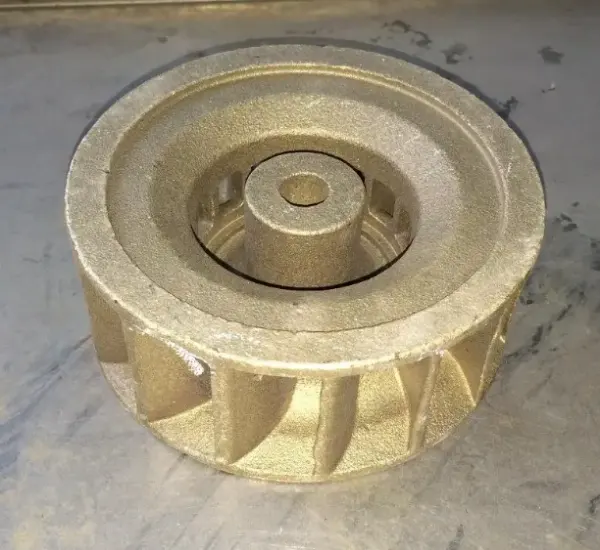
Electroplating nickel serves as the core protective and functional plating process for metal castings. It deposits a layer of nickel metal on the surface, providing excellent corrosion resistance and wear resistance to form a fundamental protective barrier. Simultaneously, its bright and attractive appearance allows it to serve directly as a decorative layer.
More commonly, it functions as a base layer for subsequent coatings like chrome or gold plating. This enhances the overall coating's adhesion, corrosion resistance, and decorative effect while reducing costs. Modern trends also favor environmentally friendly electroless nickel plating technology.
Zinc Plating
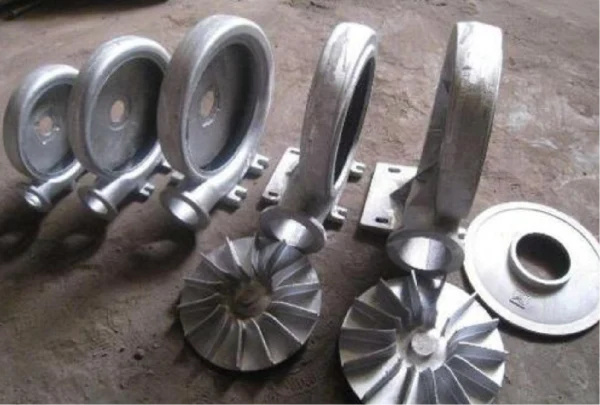
Electrogalvanizing is a core process providing cost-effective corrosion protection for steel castings. It forms a zinc coating on the surface that, through the principle of cathodic protection via a sacrificial anode, continues to shield the substrate from rust even if the coating is locally damaged.
Typically combined with passivation treatment to enhance corrosion resistance and achieve various colors (such as blue-white, multicolored, or black), it is widely used for standard parts, structural components, and fasteners where cost sensitivity and reliable corrosion protection are required.
Hot-Dip Galvanizing
Hot-dip galvanizing involves immersing steel castings in molten zinc to form a thick, metallurgically bonded zinc-iron alloy coating on their surfaces. This process provides exceptionally superior long-term corrosion protection for castings, particularly suited for structural components and large castings in outdoor or harsh environments.
The coating exhibits high hardness, excellent wear resistance, and self-healing properties, though it may alter dimensional accuracy of the casting.
Ceramic Coating
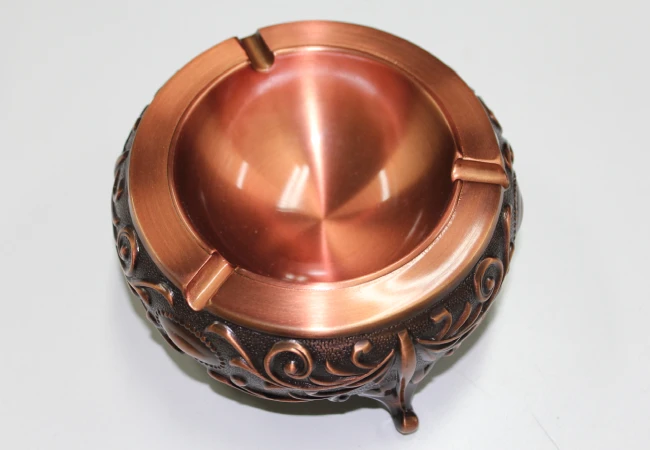
Ceramic coatings are applied to metal castings through thermal spraying and other techniques, forming high-melting-point inorganic protective layers on their surfaces. These coatings impart exceptional hardness, outstanding wear resistance, superior high-temperature oxidation resistance, and corrosion resistance to castings, while also providing excellent electrical insulation.
This process is specifically designed to address wear, high-temperature, and corrosion challenges in extreme operating conditions, finding widespread application in high-performance components across aerospace, energy, and chemical industries.
Paint Spraying
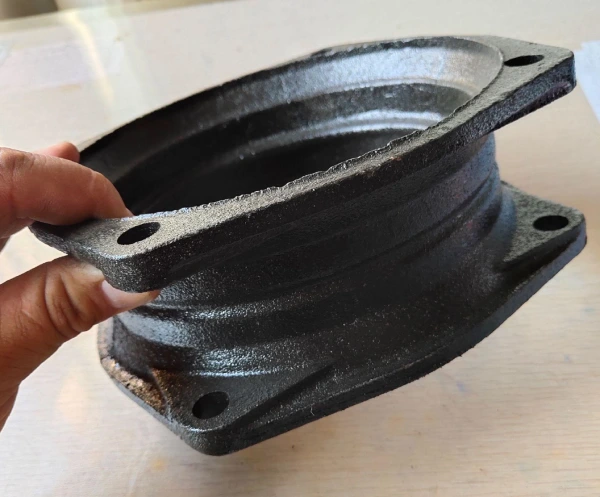
Spray painting is a traditional method for applying liquid organic coatings to metal castings, forming a coating through techniques such as brushing or spraying. Its primary functions are to provide flexible color decoration and basic corrosion protection for castings, making it particularly suitable for complex shapes, small-batch production, or on-site repairs. While this process is relatively low-cost, the coating's durability and environmental performance (including VOC content) typically fall short of modern techniques like powder coating.
PVD (Physical Vapor Deposition)
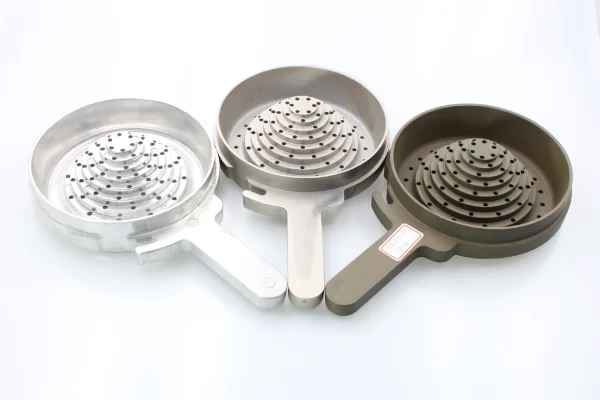
Physical Vapor Deposition (PVD) is an advanced technology that deposits ultra-thin ceramic or metallic coatings onto the surfaces of metal castings within a vacuum environment. This process imparts exceptionally high surface hardness (such as titanium nitride coatings), outstanding wear and corrosion resistance, and enables a wide range of decorative colors (such as gold and rose gold).
Environmentally friendly and offering superior performance, PVD is widely used for high-end decorative components, precision cutting tools, and wear-resistant parts.
Teflon
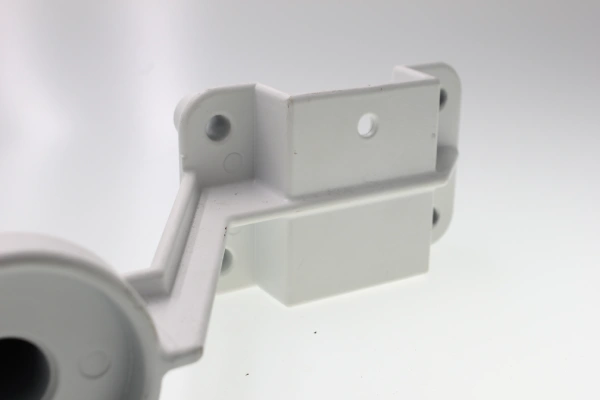
Teflon® (polytetrafluoroethylene PTFE) coating provides metal castings with exceptional chemical inertness and extremely low surface energy. It imparts outstanding nonstick properties, low friction coefficients, and excellent chemical resistance to surfaces, while also offering good electrical insulation and high-temperature resistance. It is primarily used in applications requiring anti-adhesion, easy cleaning, and friction reduction, such as food processing molds, chemical valves, and sliding components.
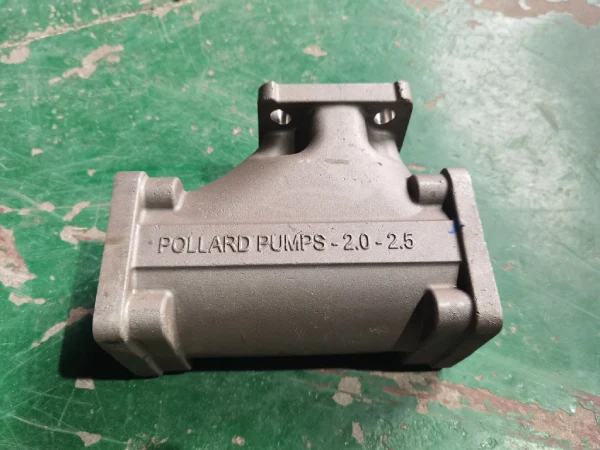
Laser Marking
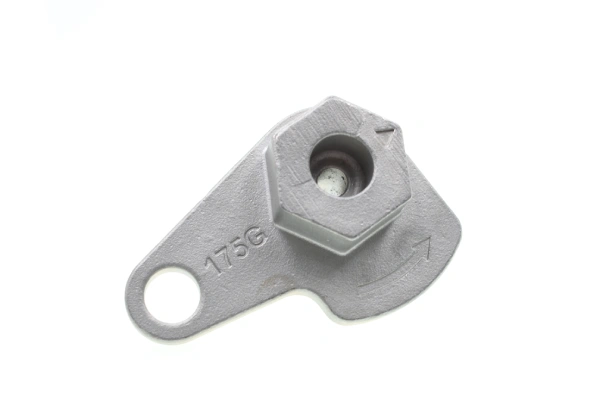
Silica sol investment casting is a casting process that is widely used in stainless steel and alloy steel casting parts. Silica sol is used as a binder to build a ceramic shell on the outer surface of the wax mold. It has the characteristics of high precision (CT4~CT6) and good surface finish. The foundry field plays an important role.
Supro MFG is a professional investment casting companies, we utilize silica sol casting for casting parts such as high temperature heat resistant alloys, heat resistant steels, stainless steels, carbon steels, low alloys, aluminum alloys and copper alloys.
Screen Printing
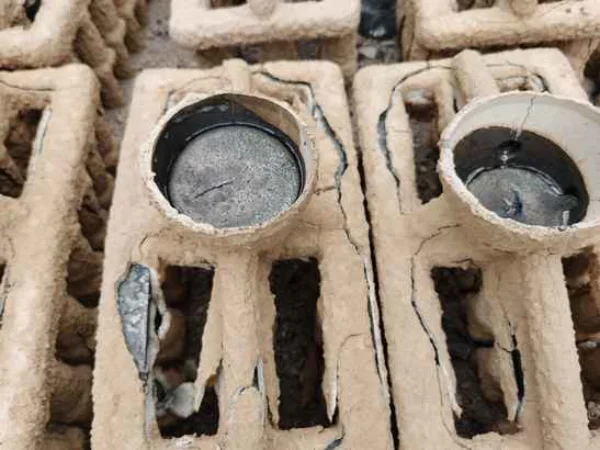
Screen printing is a decorative process that transfers ink onto the surface of metal castings through a mesh stencil. It efficiently produces clear flat patterns, text, and logos, excelling particularly in multicolor and gradient effects. This method offers low cost and high adaptability.
However, the coating's abrasion resistance is limited, making it primarily suitable for non-high-wear areas requiring visual communication, such as product branding, operating instructions, and decorative panels.
Pad Printing
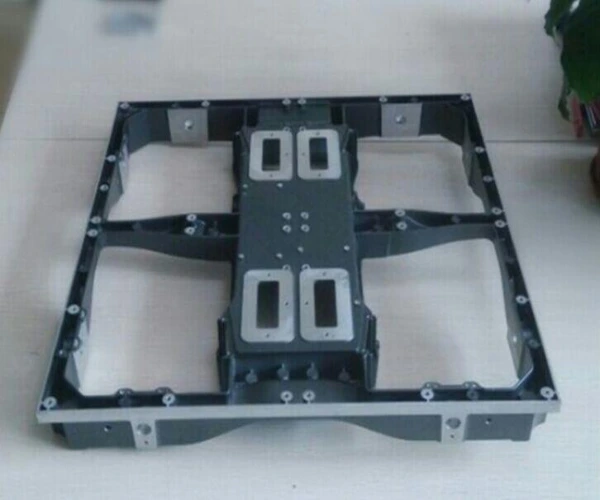
Pad printing is a printing technique that transfers ink onto irregular surfaces of metal castings via a silicone pad. It enables precise printing of intricate patterns, text, and complex logos on uneven surfaces, edges, and corners, overcoming the limitations of flat printing.
This flexible process is ideal for small-batch, multi-variety marking requirements, serving as a practical solution for branding and decoration on complex-shaped castings.
Water Transfer Printing
Water transfer printing is a decorative process that transfers colored patterns onto metal castings via water-soluble films. It creates continuous simulated textures (such as wood grain, camouflage, and marble patterns) on complex three-dimensional surfaces, achieving unique decorative effects.
Suitable for castings requiring personalized aesthetics—such as automotive interior components, electronic device housings, and sports equipment—this coating offers limited abrasion resistance and primarily serves as a decorative finish.
Sticker labels
Sticker labels provide an economical and flexible temporary solution for information identification and decoration on metal castings. They clearly display product models, specifications, brand logos, or operating instructions through adhesion, facilitating production management and user recognition.
Characterized by low cost, easy replacement, and diverse visual effects, they offer limited abrasion resistance and durability. These labels are suitable for non-critical casting surfaces subject to non-contact wear or short-term display.
Get an Ex-Factory Quote?
- Send product design.
- Tell me about your ideas and needs.
- Sign the contract & NDA.
- On time delivery of high quality casting parts.
 English
 Français
 Deutsch
 Italiano
 日本語
日本語 한국어
한국어 Polski
 Português de Angola
 Русский
 Español de Argentina