
Iron Casting Service
Supro MFG provides iron casting services for OEM buyers who need durable cast iron parts from drawing review to production. We support gray iron, ductile iron and malleable iron components for pumps, valves, machinery frames, agricultural equipment, construction equipment and industrial hardware. Before quoting, our team reviews material grade, process route, machining allowance, surface treatment and inspection requirements, helping buyers reduce risk before tooling or batch production.
- ISO 9001-2015 and TSI 16949 quality system
- 3 casting workshops and 120 technical employees
- 18 quality engineers and inspection report support
- Founded in 1997 with an 8,800 sq.m facility
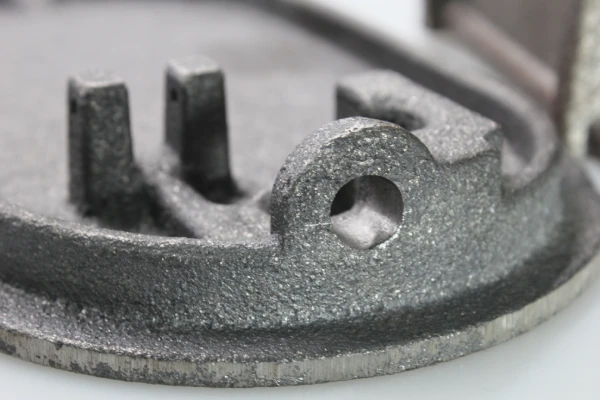
iron casting : most recognized casting technology
iron casting plays a very important role in mechanical engineering nowadays, and many metal parts with complex structures that need to have load-bearing capacity choose to rely on iron casting technology. Similar to pièce moulée en acier, molten iron is injected into a mold for cooling and forming, resulting in the final iron cast part we need.
With high efficiency and cost effectiveness, iron cast parts are used in a wide variety of industries for a variety of applications. With quality heat treatment and surface treatment, iron castings can have excellent corrosion resistance and high strength.
Materials and Grade Selection
Cast Iron Materials and Grade Options
Cast iron material selection should match load, vibration, impact, wear and machining needs. Supro MFG can review common gray iron and ductile iron grades, part weight, process route, machining allowance and inspection requirements before quotation.
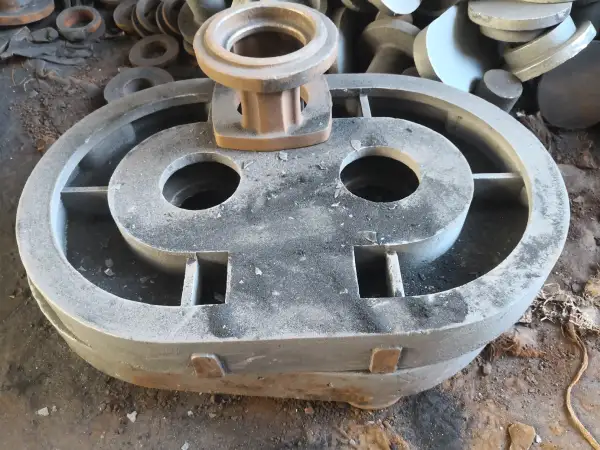
grey iron casting parts
Gray iron, including HT200, HT250, HT300 and HT350 under GB standards, is selected where vibration damping, compressive strength and machinability take priority over impact resistance. These grades correspond broadly to ASTM A48 No.30, No.35, No.45 and No.50, EN-GJL-200 to EN-GJL-350, and DIN GG20 to GG35. We can review gray iron castings from 0.5 kg to 2,000 kg per piece for machine bases, pump housings, valve bodies, covers and engine blocks.
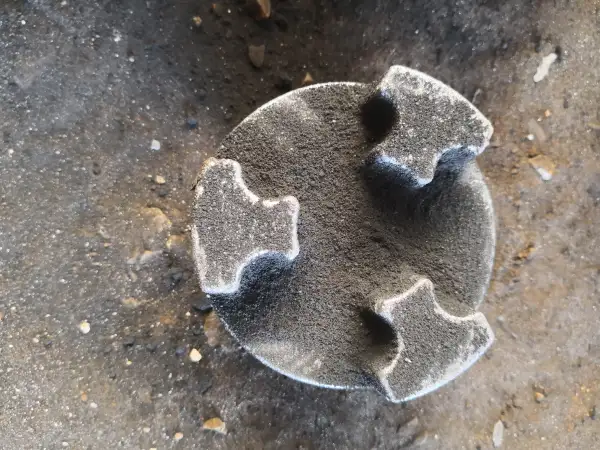
ductile iron casting parts
It is easy to machine, has good fatigue and yield strengths, and is also wear resistant. However, its best known characteristic is ductility. Common grades include QT450-10, QT450-18 and QT500-7 under GB standards, with related ASTM grades 65-45-12, 60-40-18 and 80-55-06, EN-GJS-450-10, EN-GJS-450-18 and EN-GJS-500-7, and DIN GGG-40 / GGG-50.Ductile iron is used in the manufacture of steering joints, plow heads, crankshafts, heavy gears, car and truck suspension components, hydraulic components and automotive door hinges.
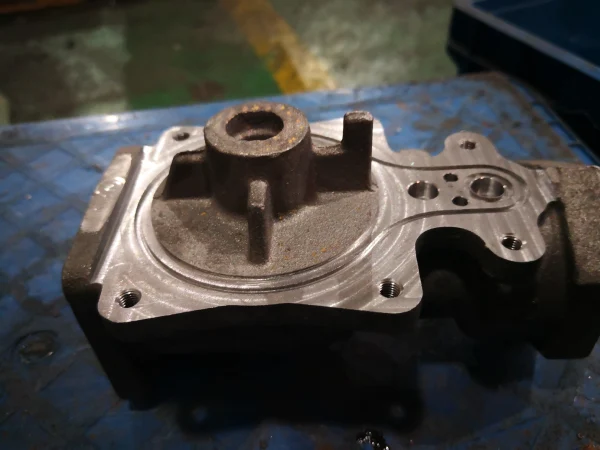
Malleable iron casting parts
Attractive properties of malleable cast iron are its ability to retain and store lubricants, non-abrasive wear particles, and porous surfaces that trap other abrasive debris. Malleable cast iron is used for heavy bearing surfaces, chains, sprockets, connecting rods, driveline and axle components, railroad rolling stock, and agricultural and construction machinery.
| Cast Iron | Standards | |||||
| GB | AWS | BS | NF | DIN | ISO | |
| Grey Iron | HT200 | No.30 | Grade 220 | EN-GJL-200 | GG20 | 200 |
| HT250 | No.35 | Grade 260 | EN-GJL-250 | GG25 | 250 | |
| HT300 | No.45 | Grade 300 | EN-GJL-300 | GG30 | 300 | |
| HT350 | No.50 | Grade 350 | EN-GJL-350 | GG35 | 350 | |
| Ductile Iron | QT450-10 | 65-45-12 | GGG-40 | EN-GJS-450-10 | 450/10 | 450-10 |
| QT450-18 | 60-40-18 | GGG-40 | EN-GJS-450-18 | 400/18 | 450-18 | |
| QT500-7 | 80-55-06 | GGG-50 | EN-GJS-500-7 | 500/7 | 500-7 | |
Cast Iron or Steel Casting?
Use cast iron when damping, machinability and cost control are more important than severe impact resistance. Use steel la conversion lorsque le composant requires higher tensile strength, weldability or heavy shock-load performance. If the material choice is unclear, Supro MFG can review the application and connect the project with the proper material route. View steel casting for higher strength applications.
Conception - Prototype - Moules - Moulage
Visitez la fonderie Supro Metal Casting
Supro Metal Foundry est le leader chinois fonderie de métaux Fabricant de pièces, fondé en 1997, grâce à la modernisation continue de nos technologies de moulage et au renouvellement de nos équipements de pointe, nous sommes devenus une entreprise de moulage leader du secteur, couvrant une superficie de 8 800 mètres carrés, avec trois ateliers de moulage, un atelier d’usinage CNC de précision et un atelier de revêtement de surface. Nous comptons 120 techniciens, 18 ingénieurs qualité et 17 cadres dirigeants. Nous fournissons des métaux de qualité constante pièces moulées des projets d'approvisionnement pour plus de 3 800 entreprises acheteuses en Chine et dans le monde entier.
Nous sommes spécialisés dans le métal pièces moulées présentant diverses structures complexes, et nous nous appuyons sur notre solide expertise en matière de matériaux de fonderie et sur notre expérience dans ce domaine pour fournir à nos clients, dans le respect des délais, des pièces moulées en métal de haute qualité grâce à des techniques de fonderie professionnelles.
Qu'il s'agisse de prototypes moulés en série rapide ou de moulages en grande série, nous disposons de solides capacités de moulage, notamment : la conception et l'optimisation des produits, la conception et la fabrication de moules, le processus de moulage des métaux, contrôle qualité, l'usinage CNC de précision, les essais de matériaux et de propriétés physiques, le revêtement de surface, ainsi que des services complets de moulage de métaux, notamment l'emballage et le transport.
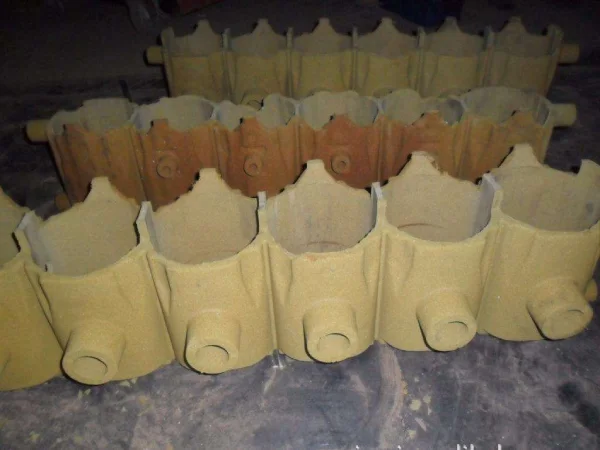
Process Options
Foundry Process Options for Cast Iron Components
The right foundry process depends on part size, surface requirement, tolerance expectation, annual volume and material grade. We do not push every project into one route. The process is selected after drawing review.
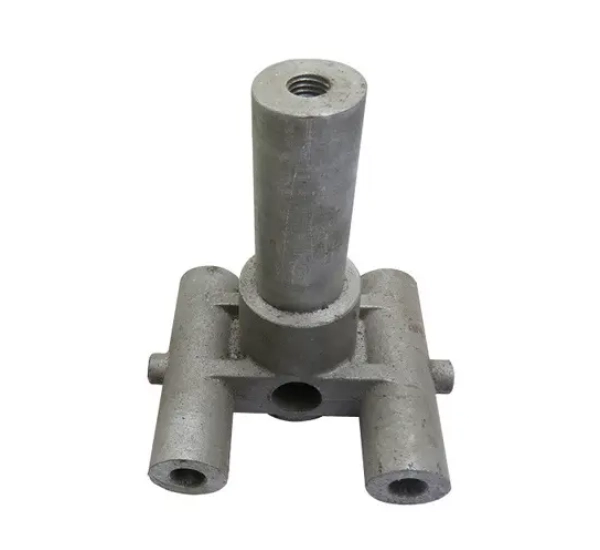
iron green sand casting
Supro MFG has advanced die casting manufacturing dispose d'équipements de fabrication de moulage sous pression de pointe pour répondre aux besoins liés aux produits issus du moulage sous pression à basse et haute pression ; nous proposons les solutions de fabrication de moulage sous pression à la demande les plus rentables aux acheteurs de tous horizons à travers le monde, et grâce à des essais par rayons X, des analyses de composition, les essais non destructifs, les essais mécaniques, les essais au brouillard salin, etc., nous garantissons la livraison dans les délais de pièces moulées sous pression de haute qualité.
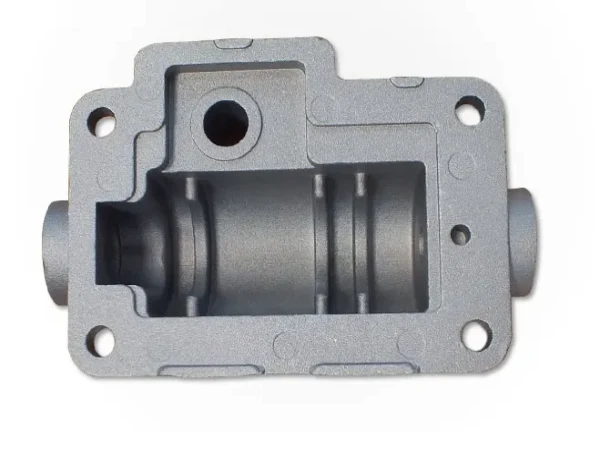
iron Shell mould casting
relying on resin sand or green sand to form a cavity with the shape of the final product under the action of aluminum or steel molds, inject molten metal into the sand mold, and cool to form. Aluminum alloy sand casting is economical, but usually requires secondary machining to achieve close dimensional tolerances, and is also very effective for creating large aluminum alloy cast parts or parts with fine detail, suitable for large-scale casting projects.
At Supro casting foundry, we control the casting process and the element composition of the aluminum alloy reasonably to avoid most of the defect problems, enhance the mechanical properties, improve the casting efficiency, and make the aluminum pièces moulées en alliage more competitive.
Avantages : haut rendement, faible coût, économique, permet de réaliser des structures complexes, adapté à une large gamme de matériaux
Inconvénients : Il y a de nombreux trous et pores dus au sable, et la surface est rugueuse. Il est impossible de réaliser des détails fins.
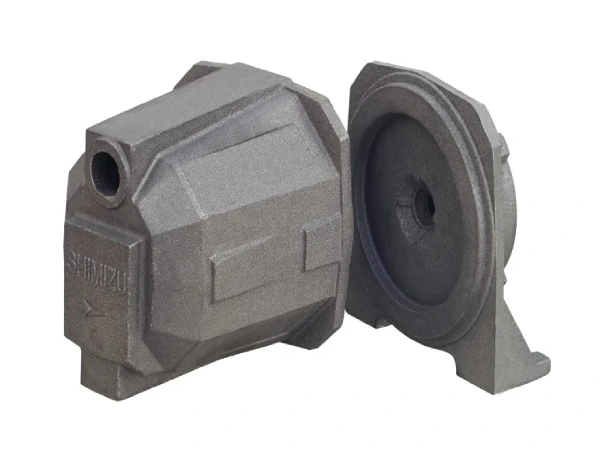
Iron Resin sand casting
Creates steel molds and other metal molds or cores. The molten aluminum alloy is cooled and formed inside the mold. This is a reusable metal mold. More often, the aluminum alloy is injected by gravity to fill the mold cavity. Inside. The mold is then separated after cooling and the finished part is ejected or removed.
Supro MFG uses this rapid prototyping casting process to achieve a more consistent microscopic metal structure, increase the density of aluminum alloy castings, and significantly enhance the mechanical properties of the product. It is generally used in industries with high weighing capacity, wear resistance, and corrosion resistance. in demand.
Avantages : Densité plus élevée du produit Temps de fabrication réduit Coût de production réduit Finition de surface de haute qualité Possibilité d'obtenir des détails plus fins
Inconvénients : Coût élevé du moule. Ne permet pas de modifier la conception. Ne convient pas aux grandes séries. pièces moulées Long cycle de fabrication des moules
Engineering Support
Engineering Review Before Production
A successful casting project starts before molten metal is poured. Supro MFG reviews wall transitions, sharp corners, rib thickness, boss design, core structure, machining allowance and surfaces that may be difficult to clean or machine. This review helps reduce shrinkage, sand inclusion, porosity, deformation, hard spots and machining difficulty while keeping the function of the part unchanged.
- Wall thickness, draft angle and ribs review
- Parting line, core structure and cleaning difficulty check
- Machining allowance and critical area confirmation
Contrôle qualité
Quality Control and Inspection Reports
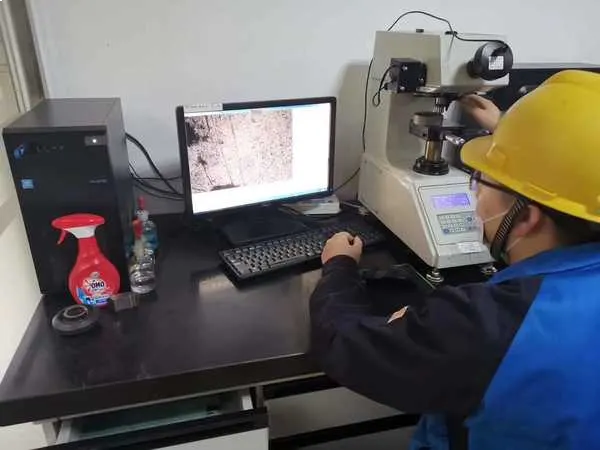
Buyers need stable material composition, reliable dimensions and repeatable batches. Supro MFG controls cast iron projects through material verification, melt control, mold preparation, pouring control, cleaning, machining inspection and final shipment review. Depending on project requirements, inspection can include CMM dimensional inspection, spectrometer chemical analysis, mechanical property testing, destructive testing when required, non-destructive testing and final packing review.
Material Verification
Spectrometer chemical analysis and material certificate support.
Mechanical Testing
Mechanical property testing and destructive testing when required.
Dimensional Inspection
CMM and machining area checks for critical dimensions.
NDT Support
Non-destructive testing and final packing review based on project needs.
Ready to send a drawing?
Upload your 2D/3D file and ask for material, process and inspection review.
Secondary Operations
Machining, Heat Treatment and Surface Finishing
Secondary operations should be planned before quotation because they affect tooling, machining allowance, inspection and shipment readiness.
CNC Machining
CNC machining for mounting faces, sealing surfaces, holes, threads and assembly areas.
- CNC machining for cast iron parts
- Machining area verification
- Critical dimension inspection
Traitement thermique
Heat treatment can be reviewed when strength, hardness, stress relief or dimensional stability matters.
- Heat treatment for cast iron parts
- Hardness requirements
- Application-based review
Surface Finishing
Finishing options include sand blasting, painting, powder coating, chrome or tin plating, acid etching, galvanizing and polyamide coating.
- Surface finishing for cast iron parts
- Corrosion exposure review
- Appearance and packing requirements
Wide range of iron casting applications
- Value Body
- Compressor Valves
- Coupling
- Chain wheel
- Hydraulic valves and
- cylinders
- Structural brackets
- Rollers
- Cable reel
- Frames
- Pumps
- Crankshaft
- Camshaft
- Exhaust manifold
- Machine Frame
- Flanges
- Hubs
- Gearboxes
Questions des acheteurs
FAQ for Cast Iron Part Sourcing
Ces questions portent sur la préparation des appels d'offres, le choix des matériaux, le contrôle qualité et la gestion de la qualité après la livraison.
Please send the drawing or sample, material grade, quantity, annual volume, tolerance requirement, machining areas, surface finish, application and target delivery date. If the material grade is not fixed, our team can review the load condition and recommend gray iron, ductile iron or another route.
For 2D drawings, PDF, DWG and DXF are commonly reviewed. For 3D models, STP, STEP, IGES and OBJ can be checked. For large RFQ packages, please confirm the final accepted format with our team before submission.
Common gray iron discussions include HT200, HT250, HT300 and HT350, with related ASTM, EN and DIN references. Ductile iron discussions may include QT450-10, QT450-18 and QT500-7, with corresponding ASTM, EN-GJS and DIN grades.
Current project discussions can cover parts from about 0.5 kg to 2,000 kg per piece. Final feasibility still depends on geometry, épaisseur de paroi, process route, machining requirements and inspection standard.
Gray iron is often selected for damping, machinability and cost control. Ductile iron is used when higher strength, toughness and impact resistance are required. The correct route depends on load, fatigue risk, service environment and machining needs.
Acier casting is usually considered when the part needs higher tensile strength, weldability or heavy shock-load performance. Cast iron is often better for damping, machinability and cost-sensitive housings, bases and covers.
Inspection can include CMM dimensional checks, spectrometer chemical analysis, mechanical property testing, destructive testing when required, non-destructive testing and final packing review. Material certificates and inspection reports can be arranged based on project requirements.
Yes. Many cast iron components require CNC machining for holes, threads, sealing surfaces, mounting faces and assembly areas. Machining requirements should be included in the quotation and inspection plan.
If a buyer reports a quality issue, the process should include photo or report review, batch traceability check, root cause analysis and corrective action. Replacement, rework or credit terms should follow the confirmed purchase agreement and inspection standard.
Demander un devis
Upload Your Drawing for a Factory-Direct Quote
Send a 2D drawing, 3D file or sample photos with material grade, quantity, annual volume, machining areas, surface finish and inspection requirements. Our team will review your project and confirm a factory-direct quotation path.
- PDF, DWG or DXF for 2D drawings
- STP, STEP, IGES or OBJ for 3D models
- Material grade, quantity, annual volume and inspection needs
- Machining, surface finish and packing requirements
 English
 Français
 Deutsch
 Italiano
 日本語
日本語 한국어
한국어 Polski
 Português de Angola
 Русский
 Español de Argentina