
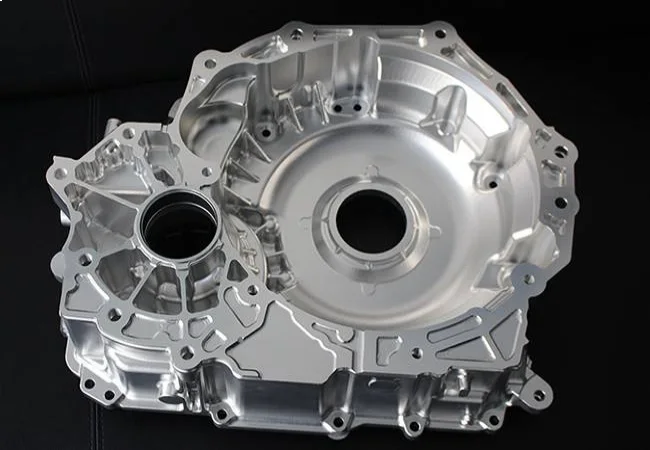
Aluminum casting defects can affect the quality and performance of the final product. Based on our many years of experience in aluminum casting, we have identified nine common casting defects in aluminum castings: porosity, shrinkage, inclusions, cold shuts, dimensional deviations, surface bubbles, flow marks or cold lines, sticking or scratches, and burrs or flash.
However, these defects are not insurmountable. Through systematic approaches—such as optimizing processes and techniques, as well as mold design and maintenance—we can better address or even prevent the occurrence of defects, thereby producing aluminum castings of higher quality and better performance.
In this article, we will take a professional engineering perspective to thoroughly analyze these challenging aluminum casting defects and share Supro MFG’s solutions and customized services for addressing them. We are committed to helping our customers resolve their concerns regarding aluminum product manufacturing and enhance their market competitiveness.
9 Common aluminum castings Defects
aluminum casting defects may occur naturally during the production process and affect the quality and performance of the final product. For purchasers of castings, understanding the causes of these defects and their solutions not only helps optimize the casting process but also serves as the foundation for effective mold maintenance.
Gas Porosity
Gas porosity refers to small voids present inaluminum casting, primarily formed when trapped gas is entrapped in molten aluminum during solidification. The presence of gas porosity reduces the strength of the parts and may lead to failure. In the aluminum casting process, degassing and optimized mold design can effectively reduce gas porosity, thereby controlling the scrap rate of castings.
Shrinkage
Shrinkage manifests as porosity or sink marks in aluminum castings. Caused by a reduction in volume as aluminum solidifies, shrinkage can compromise the structural integrity of the casting. These defects commonly occur in thick-walled areas, requiring specialized aluminum casting manufacturers to adjust the cooling rate and feeding system to minimize the effects of shrinkage.
Inclusions
Inclusions refer to nonmetallic impurities, such as oxides or slag, present in aluminum casting. Inclusions primarily form during the melting or pouring process and are one of the key factors leading to stress concentration and premature failure in castings. Rigorous filtration and melt treatment help reduce these defects.
Cold Shuts
Cold shuts are surface gaps that form when two streams of molten aluminum fail to fuse completely; they are typically caused by excessively low pouring temperatures or slow flow rates. Optimizing pouring parameters can effectively prevent cold shuts, thereby improving the quality of aluminum casting.
Dimensional Deviation
Dimensional deviation refers to deviations in the dimensions of aluminum casting from the design specifications. It is typically caused by mold wear or errors in shrinkage calculations, which not only increase the scrap rate but also affect the final assembly process. Regular inspection and maintenance of aluminum casting molds are crucial for preventing this defect.
Surface Blisters
Surface blisters refer to raised areas on the surface of castings. They are primarily caused by the expansion of gas trapped beneath the surface during heating and are related to the mold coating or the solidification rate. Controlling aluminum casting process parameters, such as temperature and cooling, can prevent the formation of surface blisters.
Flow Marks or Cold Lines
Flow marks or cold lines are linear defects that appear on the surface of aluminum casting. They are typically caused by uneven flow of molten aluminum within the mold. These defects affect the appearance and may indicate cooling issues. Adjusting the pouring system and the temperature of the mold can improve flow.
Soldering or Sticking
Soldering or sticking refers to excessive adhesion between aluminum casting and the mold surface, which causes damage to the casting surface during demolding. This is primarily caused by excessive mold temperature or insufficient or ineffective mold lubrication (release agent). Manufacturers need to prevent such defects by optimizing mold cooling, regularly applying high-quality release agents, and performing mold maintenance.
Burrs or Flash
Burrs or flash are thin, flaky metal defects that appear on the edges or parting lines of castings. They are caused by molten aluminum being forced into the gap at the parting line of the aluminum casting mold under high pressure. This is typically caused by mold wear, misalignment, or insufficient clamping force. Removing burrs increases post-processing costs.
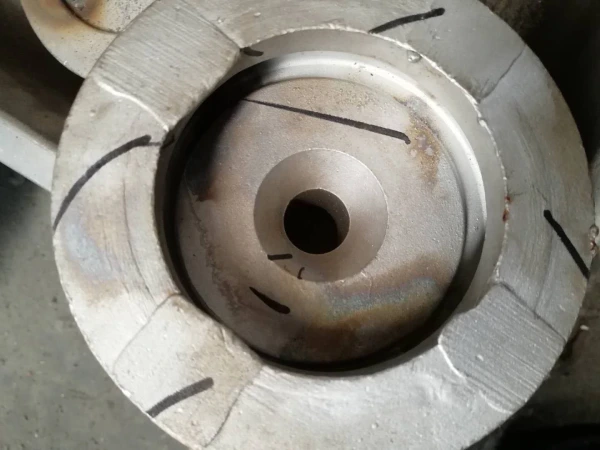
aluminum casting Defects by Casting Method
Generally, the occurrence of aluminum casting defects is related to the inherent characteristics of specific processes and parameter control. Each casting method exhibits different defect characteristics due to its unique process conditions. Identifying these patterns helps optimize process selection and parameter adjustments, thereby reducing aluminum casting defects and improving the quality of the final product.
The table below clearly illustrates the most common defect types in the four mainstream aluminum casting processes. By understanding these correlations, teams can focus their quality inspections and proactively address potential issues that may arise during production.
Defects / Casting Methods | Die Casting | Sand Casting | Permanent Mold Casting | Investment Casting |
Gas Porosity | Medium | Low | Medium | Low |
Shrinkage | Low | High | Medium | Medium |
Inclusions | Low | High | Low | Low |
Cold Shuts | Medium | Low | Low | Low |
Soldering | High | Rare | Medium | Rare |
Burrs/Flash | High | Low | Low | Rare |
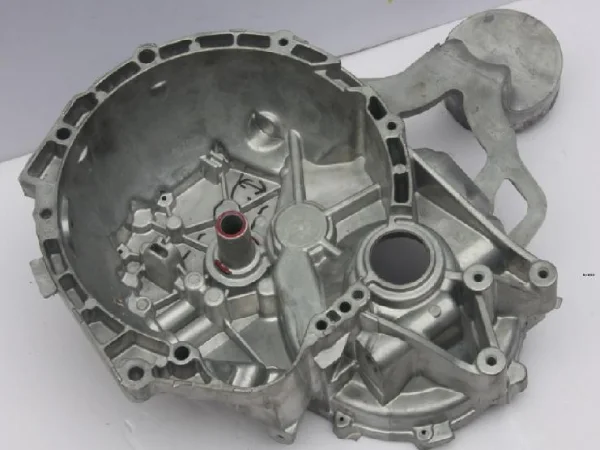
How to Overcome Defects in aluminum castings
Systematically overcoming defects in aluminum casting requires comprehensive control across multiple areas, including processes, molds, technology, materials, and inspection. The following are five key measures to help manufacturers effectively reduce defects and improve product consistency and reliability.
Precise Control of aluminum casting Process Parameters
Precise control of process parameters is the foundation for preventing defects in aluminum casting. This involves the strict management and optimization of pouring temperature, speed, pressure, and cooling rates. For example, by using computer simulation technology, it is possible to predict the filling and solidification processes of molten metal prior to production, thereby allowing for advance adjustments to the process to avoid defects such as shrinkage and gas porosity.
Mold Design and Maintenance
Molds are the key tools that determine the quality of castings. A well-designed mold includes a properly configured gating system, adequate cooling channels, and precise venting structures, which can reduce the occurrence of flow marks, cold lines, burrs, flash, and gas porosity at the source.
Regular maintenance of aluminum casting molds is essential, including cleaning, repairing worn surfaces, checking alignment accuracy, and ensuring that lubrication (release agent) is effective. Proper maintenance directly extends mold life and prevents defects such as soldering or sticking.
Advanced Casting Technologies
Adopting advanced aluminum casting processes is a key strategy for overcoming traditional quality bottlenecks and systematically reducing defects. For example, vacuum die casting can significantly reduce gas in the mold cavity, thereby virtually eliminating gas porosity; extrusion casting and semi-solid forming technologies can improve metal fillability and reduce cold shuts and shrinkage.
For complex parts with high-quality requirements, investment casting offers exceptional dimensional accuracy and surface quality. Investing in and integrating these appropriate advanced technologies is a crucial means for leading manufacturers to enhance their core competitiveness, proactively control the aluminum casting scrap rate, and achieve product differentiation.
Alloy Selection and Processing
In the casting process, overcoming aluminum casting defects begins with precise control of raw materials. Selecting the appropriate aluminum alloy grade based on the performance requirements of the casting (such as strength, ductility, and corrosion resistance) is a crucial step.
During the melting stage, thorough degassing (such as using a rotary degasser) and refining must be performed to effectively remove hydrogen and inclusions. Careful analysis of the molten metal at these stages is key to tracing the root causes of defects. Rigorous alloy selection and molten metal quality control can significantly reduce various defects—such as shrinkage and porosity—at the source and lay a solid foundation for subsequent casting operations.
Quality Inspection of aluminum castings
Implementing end-to-end quality inspections serves as the final line of defense for detecting and preventing defects in aluminum casting. This includes inspections of raw materials, molds, in-process parameters, and the final products. Combining traditional dimensional measurements and visual inspections with advanced microstructural inspection systems—such as non-destructive testing (NDT) techniques like X-ray and ultrasonic testing—enables the identification of internal defects such as gas porosity, shrinkage, and inclusions.
By integrating these five practices, companies can establish a robust quality assurance system for aluminum alloy castings, fundamentally controlling defects in castings and achieving high-quality, high-efficiency production.
Looking for a reliable China metal foundry?
- We can help you optimize product design and save costs.
- We can help you with high quality high volume cast parts.
- We can deliver on time and get more sales market opportunities.
- You will benefit from Supro MFG metal casting service.
Supro MFG Solutions for Defects in Aluminum Castings
At Supro MFG, we specialize in providing cost-effective, reliable, and customized aluminum casting services to customers worldwide. As a professional aluminum casting manufacturer, we fully understand the issues of inconsistent quality and rising costs caused by defects. Supro MFG is committed to helping you effectively control the yield rate of your aluminum castings through practical technologies and services, ensuring a smooth supply chain and competitive products.
Core Technological Advantages
Supro MFG core strengths stem from precise control over every detail of the aluminum casting process:
(1) We not only possess proven casting techniques but have also developed deep expertise in mold and process management: Our engineering team is highly skilled in the design of runner and cooling systems, working from the very beginning of the castings mold design to minimize common defects such as shrinkage and cold shuts.
(2) We have established a rigorous system for monitoring process parameters to ensure that every step—from melting to forming—is traceable and controllable. This mastery of core processes is key to ensuring consistent quality across batches.
Addressing Industry Challenges in the Manufacturing of Aluminum Castings
Supro MFG specializes in addressing common pain points in small- and medium-volume production: delivery delays, quality fluctuations, and uncontrollable costs. We respond promptly to these issues and provide flexible, customized solutions.
For example, we shorten your time-to-market through rapid mold design and maintenance cycles; we balance cost with performance by optimizing alloy selection and processing methods; and we proactively intercept defects in aluminum castings through rigorous quality inspection processes—including first-article inspection and in-process inspections—to prevent batch-wide issues and safeguard your project budget and timeline.
Our Value Commitment
Our commitment goes beyond simply delivering castings—we deliver certainty and a true partnership. We are committed to providing you with transparent communication, reliable delivery times, and consistent quality.
We will serve as an extension of your manufacturing capabilities, dedicated to reducing your total cost of ownership by optimizing the entire aluminum casting process and working with you to develop tailored solutions for defects.
Choosing Supro MFG means choosing a reliable partner focused on enhancing the value of your products through practical solutions.
Conclusion
This paper systematically describes nine major aluminum casting defects and their causes, analyzes the distribution characteristics of defects in various processes, and proposes comprehensive solutions covering process optimization, mold design, the application of advanced technologies, material control, and quality inspection. By implementing these measures, castings manufacturers can effectively reduce defect rates and improve production stability and product reliability.
Contact Supro MFG today to learn about professional methods for controlling aluminum casting defects and enhance the competitiveness of your products.
 English
 Français
 Deutsch
 Italiano
 日本語
日本語 한국어
한국어 Polski
 Português de Angola
 Русский
 Español de Argentina