
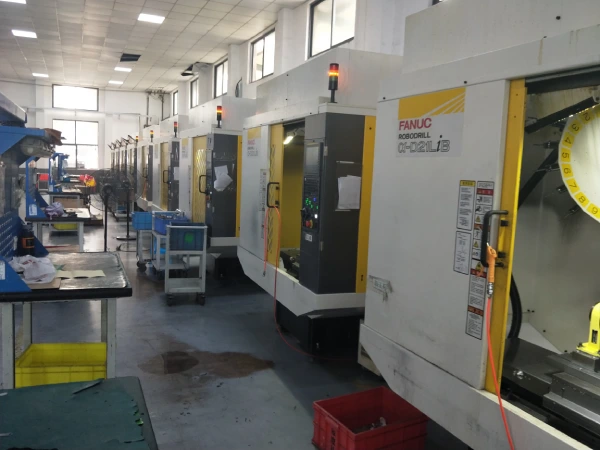
High-pressure die casting is a cutting-edge metal forming process. From automotive engine blocks to the lightweight, slim enclosures of consumer electronics, it excels at producing thin-walled, complex geometric parts with exceptional precision, enabling the high-quality manufacture of various standard metal components.
When designing complex, high-strength metal components with production volumes reaching hundreds of thousands, the High Pressure Die Casting Process offers an exceptional solution. For engineers or procurement professionals seeking a reliable High Pressure Die Casting Manufacturer, a deep understanding of the seven-step precision cycle and its inherent risks is crucial. This knowledge is key to systematically addressing low yield rates and cost overruns, enabling you to anticipate and mitigate manufacturing risks during the design phase.
This article delves into the engineering principles behind the seven core steps of high-pressure die casting and briefly outlines potential risks. It aims to deepen your understanding of this process’s breadth and depth, enabling you to more effectively advance your next project.
7 Steps of the High Pressure Die Casting Process
Understanding the principles behind the operational process of High Pressure Die Casting is crucial, serving as the foundation for achieving true process optimization and quality control. This section will dissect seven fundamental steps, focusing on explaining their underlying mechanisms.
Step 1: Clamping and Coating Treatment of the High Pressure Die Casting Mold
Prior to any metal injection, mold preparation must be completed to ensure successful completion of the entire process cycle. The high pressure die casting mold consists of a fixed “top mold” and a movable “ejector mold,” which are closed and locked by the die casting machine’s clamping cylinder. Clamping force (measured in tons) is a critical parameter that must be precisely calculated to exceed the mold expansion force generated during metal filling. Insufficient clamping force can cause mold cracking and metal leakage, resulting in part defects.
Following mold closure, the high-pressure die casting mold undergoes automated spray treatment. The system applies a fine release agent (or mold lubricant) to the cavity surfaces, primarily to facilitate part ejection, regulate mold temperature, and protect the mold surface. Uniform coating is critical; uneven application may cause part sticking, surface defects, and accelerated mold wear.
Step 2: Injection and Cavity Filling of Molten Metal
This is the most dynamic and critical stage in the entire high pressure die casting process, determining the integrity of the final part.
First, the molten metal is precisely metered—accuracy is essential, as insufficient metal will result in incomplete parts, while excess will lead to excessive scrap. The molten metal is then transferred from the holding furnace to the cold chamber injection sleeve.
During the injection process, to prevent defects, the metal injection is precisely controlled through two distinct stages:
- Stage 1: Slow Shot. The plunger advances slowly, gently pushing the molten metal toward the gate while expelling air from the pressure chamber to prevent turbulence and entrained air.
- Stage 2: Fast Shot. When metal reaches the gate, the ram injects the molten metal at extremely high velocity (30-100 m/s), filling the entire mold cavity. This is critical for achieving the high surface finish of high-pressure die-cast parts and minimizing internal porosity.
Step 3: Strengthening and Solidification of High Pressure Die Casting Parts
After cavity filling is complete, the subsequent steps determine the internal integrity of the part.
Within milliseconds after rapid injection concludes, the boost system immediately activates, applying a higher final pressure (i.e., boost pressure). This pressure operates at the upper limit of the High Pressure Die Casting Pressure Range and continuously acts upon the solidifying metal. Its purpose is to compensate for solidification shrinkage, producing parts with higher density, reducing shrinkage porosity in high pressure die casting parts, and enhancing mechanical properties.
Under this pressurization, the metal rapidly transfers heat to the water-cooled mold and begins solidifying from the outer layers inward. Pressure remains applied until the gate (the narrow entrance to the cavity) is fully solidified, thereby sealing the high pressure die casting part and preventing metal from flowing back into the injection sleeve.
Step 4: Cooling and Solidification
Although the solidification process in high pressure die casting commences immediately after filling is complete, this step specifically refers to the entire heat transfer process that imparts structural integrity to the part.
The molten metal continuously dissipates heat through the mold’s integrated cooling channels, undergoing transformation from liquid to solid across its entire cross-section. Solidification time depends on part wall thickness, the thermal properties of the specific alloy, and the controlled temperature of the high-pressure die casting mold. This cooling phase is the key factor determining the total cycle time.
Step 5: Opening the High Pressure Die Casting Mold
After the cooling period ends, when the high pressure die-cast parts have attained sufficient mechanical strength to withstand handling without deformation, the clamping device retracts, separating the ejector mold half from the ejector cover mold half.
Step 6: Eject high pressure die casting parts
Upon opening the high pressure die casting mold, the built-in ejector pins push the casting out from the mold core and eject it from the cavity. It is crucial to note that the balance and timing of the ejection force are critical. Uneven pressure may cause deformation of the high-temperature, semi-soft high-pressure die casting parts, or even result in sticking to the mold.
Step 7: Part Ejection and Trimming
Typically, industrial robots remove high pressure die casting parts from the die-casting machine along with adhering cake-like material (or residue), gates, and sprues to ensure production automation, operational consistency, and safety.
Subsequently, the rough castings are transferred to a trimming press or trimming station to remove the thin metal flash (flash) formed along the mold parting line and around the ejector pins, ultimately yielding high pressure die cast parts that meet net shape requirements.
The above outlines the steps of the High Pressure Die Casting Process. Next, we will explore the core components required for this process.
Learn About High-Pressure Die Casting
Simply put, the essence of High-Pressure Die Casting (HPDC) lies in the precise coordination of high pressure, high speed, mold precision, and cycle timing. Once the system is properly commissioned, production no longer relies on trial and error but can consistently produce high-quality, thin-walled, complex parts that require minimal post-processing, making it a predictable and highly reliable core solution for high-volume precision manufacturing.
What is High Pressure Die Casting?
High Pressure Die Casting (HPDC) is a precision metal forming process that serves as a core technology for high-volume production. Its process characteristics involve injecting molten metal at extremely high pressures (typically 10 to 140 megapascals) and high speeds into reusable steel molds (known as “die casting molds”).
This process is built upon four core principles:
High Pressure: This is the decisive factor for the quality of high-pressure die casting parts, forcing metal to fill every detail of the mold cavity to ensure dense, dimensionally stable components.
High-speed injection: Metal fills the cavity within milliseconds, crucial for forming the part before solidification.
Reusable steel molds: Quenched tool steel molds enable hundreds of thousands of casting cycles, ensuring long-term part consistency.
Rapid cycle times: The entire high pressure die casting process is highly automated, resulting in extremely fast cycle times from clamping to part ejection.
The resulting high pressure die casting parts are renowned for their thin-walled structures, enabling complex geometries with excellent surface finish and typically requiring minimal post-processing. The fine-grained microstructure formed under high pressure further endows them with outstanding mechanical properties.
Core Advantages of High Pressure Die Casting
The technological principles of HPDC translate directly into significant competitive advantages in industrial production:
High production efficiency and automation
This process is inherently suited for fully automated operation. From automatic pouring to robotic part removal, high pressure die casting systems achieve extremely high output, making them the most economical option for large-scale production.
Exceptional dimensional consistency and interchangeability
Once the high pressure die casting mold is perfected and process parameters are finalized, each produced part is virtually identical, ensuring repeatable interchangeability between components. This is a fundamental requirement for automated assembly lines and supply chain logistics.
Minimal secondary machining requirements
High pressure die casting is a near-net-shape forming process. It produces castings with excellent dimensional accuracy and surface quality, typically eliminating the need for extensive post-casting machining. Complex features such as threaded bosses and bearing housings can be directly formed during casting, significantly reducing material waste and secondary processing costs.
Capability to produce complex part geometries
High pressure die casting involves injecting molten metal into molds under high pressure to fully fill slender components and complex shapes. This process reduces the need for assembling multiple parts, simplifying component integration and overall product design.
Looking for a reliable China metal foundry?
- We can help you optimize product design and save costs.
- We can help you with high quality high volume cast parts.
- We can deliver on time and get more sales market opportunities.
- You will benefit from Supro MFG metal casting service.
Core Components of High Pressure Die Casting
The high pressure die casting process relies on the integration of three fundamental elements: molds, equipment, and materials. The performance of these components and their interactions directly determine the quality, efficiency, and economic viability of production.
High Pressure Die Casting Mold
The mold (commonly referred to as the “cavity”) is the most critical and technologically advanced component in the high pressure die casting process.
It is typically manufactured from high-quality hot-work tool steel, such as H13 steel, selected for its exceptional resistance to thermal fatigue, high tempering stability, and excellent toughness under high-temperature conditions during repeated casting cycles. The service life of a high pressure die casting mold (capable of producing hundreds of thousands of parts) directly depends on the quality of this steel and its proper heat treatment process.
A high pressure die casting mold is a complex apparatus composed of interdependent systems:
Cavity and core: The negative mold forming the final part geometry.
Sliders and core plates: Movable components used to create chamfers and internal features that would otherwise impede part ejection.
Cooling system: A network of precision-drilled channels through which coolant circulates to regulate mold temperature and control solidification rates.
Ejection system: A mechanism comprising ejector pins and plates that expel solidified castings from the cavity.
Vent system: These micro-channels allow air to escape as molten metal fills the cavity, preventing trapped gas bubbles that cause defects.
The design and manufacture of high-pressure die casting molds represent a significant investment and are decisive factors for any project’s success.
Advanced CAD/CAM software and CNC machining technologies are employed to achieve the precision required for high pressure die casting molds. This includes gate and runner design, cooling channel layout, and venting structures—elements that directly determine the final quality, mechanical properties, and unit cost of high-pressure die casting parts. Such precision minimizes defects and maximizes production uptime.
High Pressure Die Casting Machines
Die casting machines provide the precise mechanical force and control capabilities required for this process, ensuring reliable operation. Equipment is primarily classified based on its injection system design.
Cold Chamber Machines: Suitable for high-melting-point alloys such as aluminum, magnesium, and copper. Molten metal is injected through a ladle into a cold-chamber “injection sleeve” separate from the furnace, preventing prolonged heating of the plunger mechanism.
Hot Chamber Machines: Primarily used for zinc alloys. The injection mechanism is immersed in a molten metal reservoir, enabling faster cycle times through a more direct and efficient injection path.
Key equipment parameters for high pressure die casting parts include:
Clamping Force (tonnage): The mold-closing force required to withstand internal injection pressure, measured in tons.
Injection force: The force exerted by the plunger as it pushes metal into the mold.
Injection performance: Refers to the equipment’s ability to precisely control slow and fast injection phases, including injection speed and critical transition points between stages.
Modern equipment ensures process stability and repeatability through real-time closed-loop control of the high pressure die casting system. This system continuously monitors and adjusts parameters such as plunger speed and pressure during each injection cycle, compensating for process fluctuations in real time to achieve stable, high-quality production of high pressure die casting parts.
Common High Pressure Die Casting Materials
Aluminum Alloys (A380, ADC12, A360, etc.): The most widely used high pressure die casting materials, favored for their outstanding strength-to-weight ratio, excellent corrosion resistance, and high dimensional stability. They deliver a robust combination of mechanical properties, thermal conductivity, and castability.
Zinc Alloys (ZA-8, ZAMAK, etc.): Possess excellent flow properties, enabling casting of extremely thin walls and intricate structures with outstanding surface finish. They offer high impact strength and are readily plated or surface-treated.
Magnesium Alloys (AZ91D, AM60B, etc.): As the lightest commercially available structural metal, magnesium offers an exceptionally high strength-to-weight ratio, excellent machinability, and favorable damping properties.
Material selection profoundly impacts the performance, cost, and manufacturability of final high-pressure die-cast parts. It must be carefully matched to the functional requirements and production volume of the component.
Common Defects in High-Pressure Die Casting
Identifying and understanding the root causes of common defects is crucial for optimizing the High Pressure Die Casting Process and ensuring quality control.
Porosity
Porosity manifests as minute circular or spherical voids in high-pressure die casting parts.
These defects are primarily caused by trapped air remaining from the injection phase. When molten metal flows violently or mold venting channels are insufficient, air becomes trapped and compressed within the mold cavity. Such defects significantly reduce the mechanical strength of high pressure die casting parts and may cause surface blistering during subsequent heat treatment or coating processes.
Shrinkage
Shrinkage voids appear as irregular dendritic cavities, typically occurring in isolated thick-walled sections that solidify last, such as ribs or joints.
Although the intensified pressure in the High Pressure Die Casting Process aims to address this issue, insufficient pressure or premature solidification of the runner may still cause natural volume contraction during the metal’s transition from liquid to solid state. Proper high pressure die casting mold design is crucial for promoting directional solidification and minimizing this problem.
Cold Shuts and Short Shots
Cold shuts (or cold breaks) appear as clearly visible linear lines or seams on the part surface, while insufficient filling results in incomplete high-pressure die casting parts where metal fails to fill the entire cavity.
Both defects stem from excessively low molten metal temperatures. Ensuring optimal thermal conditions and adequate injection velocity are critical to preventing such filling defects during the high-pressure die casting process.
Cracks
Cracks in high pressure die casting parts may occur during demolding (hot tearing) or after solidification. Hot tearing manifests as intergranular cracks that form when the partially solidified casting lacks sufficient strength to withstand thermal stresses generated by constrained shrinkage.
This issue is typically linked to problematic part geometry or high pressure die casting mold design. A balanced ejection system and mold design that minimizes shrinkage resistance are critical for prevention.
Mold Adhesion and Scratches
Stick-up is a severe defect where molten metal adheres to the die steel, causing high-pressure die-cast parts to tear during ejection and damaging the mold surface. This occurs particularly frequently with aluminum alloys.
Scratching is a less severe defect where parts adhere to the mold, making demolding difficult. Primary causes include improper release agent selection or uneven application, insufficient part draft angles, or localized overheating of the mold surface.
Standard countermeasures include maintaining uniform coating on high-pressure die casting molds, implementing proper temperature management, and selecting mold steel that has undergone anti-solder treatment.
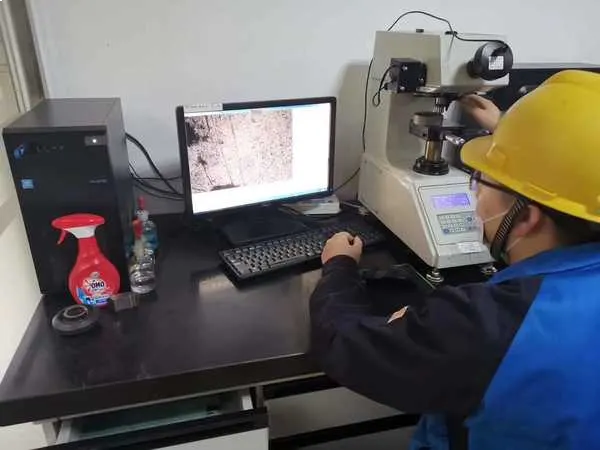
Supro Provides High-Quality High Pressure Die Casting Services
As a leading high pressure die casting manufacturer in China, Supro leverages technical expertise and advanced technology to deliver a comprehensive High-Pressure Die Casting Services system. We ensure your projects achieve maximum performance, quality, and cost-effectiveness throughout the entire process—from prototype development to mass production.
High-Manufacturability High Pressure Die Casting Design
The success or failure of any High Pressure Die Casting project is determined long before production begins. During the product design phase, our engineering team conducts comprehensive Design for Manufacturability (DFM) analysis. Using advanced simulation software, we model the flow paths and solidification patterns of molten metal within the die. This proactive analysis identifies potential issues in the High Pressure Die Casting process, such as trapped gas, thermal imbalance, and stress concentration points.
We provide detailed recommendations to optimize part geometry, wall thickness, and rib design. This ensures your components not only function reliably but also exhibit exceptional casting suitability. The result is minimized costly design revisions, accelerated time-to-market, and fundamentally enhanced quality and yield for your final high pressure die casting parts.
Custom High-Precision High Pressure Die Casting Mold Development and Prototyping
Our core competency lies in our independently developed high-pressure die casting mold design and manufacturing system. This vertically integrated model enables us to comprehensively control mold quality, delivery cycles, and intellectual property.
We utilize premium high-pressure die casting mold materials and precision machining techniques to create durable, complex molds featuring optimized cooling channels and venting systems. Upon mold completion, we conduct rapid iterative prototyping and sample testing to validate mold performance, refine process parameters, and provide you with first article samples for confirmation. This high pressure die casting process effectively mitigates project risks prior to mass production.
Full Process Parameter Monitoring and Traceability for High Pressure Die Casting
We ensure product consistency and quality through a fully digital monitoring system. Every press cycle on our high-pressure die casting machines is tracked and recorded throughout the entire process by the Manufacturing Execution System (MES).
Critical parameters—including slow and fast die-cutting speeds, boost pressure, and mold temperature—are monitored in real time. This establishes a complete digital traceability record for each production batch, ensuring full process traceability and enabling rapid root cause analysis when deviations occur. This data-driven approach forms the core pillar of high pressure die-cast parts quality assurance, providing verifiable proof of process stability.
Comprehensive Material Expertise and Post-Processing Capabilities
Our deep expertise in high pressure die casting materials—including aluminum alloys (A380, A360), zinc alloys (Zamak), and magnesium alloys (AZ91D)—enables us to recommend the optimal material based on your application’s structural, aesthetic, and cost requirements.
Additionally, we offer a full suite of value-added post-processing services. Our production facilities support precision CNC machining, deburring, shot blasting, and various surface treatments such as powder coating and anodizing. Our one-stop high-pressure die casting services help streamline your supply chain, reduce logistics costs, and ensure the high pressure die casting parts you receive are fully finished and ready for immediate assembly.
Contact Supro-mfg
In summary, high pressure die casting is an interlinked precision manufacturing system where precise control at every step is essential for achieving high-quality castings. The core advantage of this process lies in its ability to transform the inherent potential of engineering materials into structurally complex, dimensionally accurate end products through a repeatable, highly efficient method.
However, understanding the high pressure die casting process is merely the foundation for project success. Recognizing potential defects—such as porosity, shrinkage, or cold shuts—and comprehending their root causes forms the basis for effective prevention and quality control. Ultimately, transforming designs into tangible products while maintaining rigorous oversight throughout the entire process enables projects to reach the market faster and gain competitive advantage.
Supro instills reliability into every component. Our one-stop high pressure die casting service ensures each part delivers exceptional consistency, traceability, and material integrity. By combining rigorous technology with comprehensive post-processing capabilities, we deliver finished components that optimize your supply chain and accelerate time-to-market. Together, we transform your designs into high-performance, mass-producible realities.
 English
 Français
 Deutsch
 Italiano
 日本語
日本語 한국어
한국어 Polski
 Português de Angola
 Русский
 Español de Argentina