
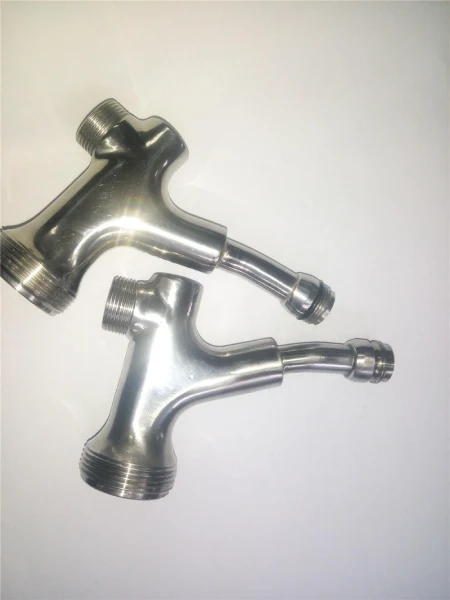
Aluminum alloy castings offer unique advantages in lightweight structural efficiency, high quality and reliability, superior strength, and exceptional thermal management, making them pivotal in addressing core engineering challenges across industries. In today’s competitive manufacturing landscape, an increasing number of engineers and procurement decision-makers recognize the importance of aluminum alloy castings for achieving product lightweighting, enhancing performance, and accelerating time-to-market.
However, recognizing the potential of aluminum alloy castings is only the first step. Transforming this potential into outstanding performance in actual products requires specialized technical expertise, rigorous quality control, and mature process know-how.
This article will delve into the performance advantages of aluminum alloy castings in critical applications, the logic behind process selection, and real-world case studies. It provides manufacturers seeking to optimize component choices with actionable, practical guidance.
Why Use Aluminum Alloy Castings?
Aluminum alloy casting is not a single solution but a technological system that integrates outstanding physical properties, exceptional production flexibility, and cutting-edge sustainability principles. This makes it a foundational process in high-end manufacturing sectors such as automotive and aerospace. Aluminum alloy castings enable your projects to simultaneously achieve the advantages of lightweighting, the potential for complex designs, and future-oriented environmental responsibility.
Superior Comprehensive Properties of Aluminum Alloy Castings
Aluminum alloy casting offers unparalleled engineering performance advantages that collectively address the core challenges of modern manufacturing:
Low density, high strength
This is one of the most fundamental advantages of aluminum alloy casting. Aluminum alloys are the preferred solution for pursuing lightweight structures, with a density approximately one-third that of steel. After alloy optimization and heat treatment (such as the T6 condition), the strength-to-density ratio of aluminum alloy castings can even rival or surpass that of certain alloy steels.
Excellent corrosion resistance
Aluminum alloy castings exhibit outstanding corrosion resistance due to the natural formation of a dense, stable protective film on their surfaces. This significantly extends the service life of aluminum products in harsh environments while effectively reducing maintenance costs.
Excellent casting properties
The use of appropriate metal casting processes enables the production of aluminum alloy castings featuring complex structures, thin walls, and hollow integral designs. This is due to aluminum alloys’ relatively low melting point, excellent fluidity, and minimal shrinkage rate.
Good thermal and electrical conductivity
Aluminum alloy castings efficiently conduct heat and electrical current, making them crucial for applications in power electronics and thermal management. Typical applications include engine cylinder heads, radiators, motor housings, and conductive enclosures.
Good machinability
Aluminum alloy castings readily achieve high precision in final dimensions and surface finish due to their uniform material properties and low cutting resistance. They are well-suited for precision machining processes such as turning, milling, and drilling.
Convenient surface treatment
Aluminum alloy castings can undergo various surface treatments, including anodizing (to enhance wear and corrosion resistance), electroplating, powder coating, and sandblasting. These processes further improve performance or aesthetics to meet diverse functional and visual requirements for the product.
Sustainability of Aluminum Alloy Castings
The eco-friendly attributes of aluminum alloy casting are emerging as a key competitive advantage in the global push for green manufacturing:
High recyclability
Aluminum exemplifies the circular economy. Scrap aluminum alloy castings can be recycled and remelted nearly 100%, and producing recycled aluminum consumes only about 5% of the energy required for primary aluminum. Using castings with a high proportion of recycled aluminum significantly reduces the product’s carbon footprint.
Life cycle assessment data for informed decision-making
Leading aluminum alloy casting suppliers are committed to providing customers with science-based life cycle assessment reports for sustainable procurement and product eco-design. This aluminum alloy casting data will transparently demonstrate the environmental impact throughout the product’s entire lifecycle—from raw material sourcing and production to use and recycling.
Energy consumption and resource efficiency
Advanced aluminum alloy casting factories continuously reduce energy and water consumption per unit of product by implementing energy-efficient melting furnaces, optimizing process cycles, and achieving closed-loop recycling of scrap within the facility. This enhances the overall resource efficiency of aluminum alloy castings and advances toward more low-carbon casting processes.
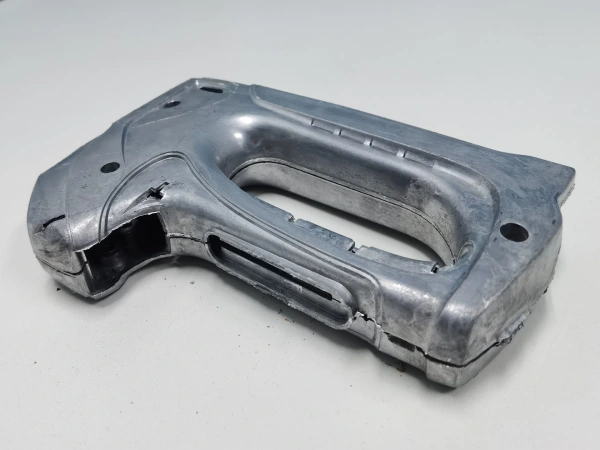
Common Types of Aluminum Alloy Casting Processes
Understanding the core differences between various aluminum alloy casting processes is crucial for developing manufacturing solutions for new projects. Each casting process is optimized as a tool for specific design complexities, production volume requirements, and quality standards. Selecting the correct aluminum alloy casting process is not only a matter of cost but directly impacts the performance, integrity, and production feasibility of the final component.
In the field of aluminum alloy casting, processes can be primarily categorized into three major types: gravity casting, die casting, and other casting technologies:
Gravity Casting
The core principle of gravity casting in aluminum alloy casting processes relies on the metal’s own gravity to fill the mold cavity, excelling in producing high-quality, structurally dense components. It is specifically categorized into sand casting and investment casting.
Sand Casting
This is the most flexible solution among aluminum alloy casting processes. Sand casting is ideal for producing prototypes, small batches, or large components weighing up to several tons. Using aluminum alloy casting molds for single-use molds imposes virtually no restrictions on part size or complexity.
The greatest advantages of sand casting lie in its extremely low mold costs and exceptional design freedom. With the widespread adoption of modern 3D-printed sand molds, specialized aluminum alloy casting factories can rapidly produce castings with intricate internal cavities, significantly shortening the development cycle for new castings.
Investment Casting
This is a high-precision aluminum alloy casting process. It involves melting wax patterns to create ceramic shells, followed by pouring molten metal—also known as “lost-wax casting.”
The core advantages of aluminum alloy investment casting are:
- Extremely precise dimensions;
- Superior surface finish;
- Complex-shaped components;
- Reduced post-processing steps;
- Ideal for producing seamless, high-integrity parts.
Typical applications of aluminum alloy investment casting processes include: turbine blades, aerospace precision components, and more.
Die Casting
Die casting is the mainstream technology for achieving high efficiency and precision in aluminum alloy casting. Its core principle involves injecting molten metal into a metal mold under high pressure to form dense, uniform aluminum alloy castings in a single operation. Based on pressure levels, it can be categorized into high-pressure die casting and low-pressure die casting.
Aluminum Alloy High-Pressure Die Casting
The fundamental principle of this aluminum alloy casting process lies in achieving rapid filling and solidification of castings under thousands of pounds of pressure. Aluminum alloy high-pressure die casting is suitable for mass production of complex-shaped, thin-walled parts with stringent surface detail requirements, such as automotive structural components and electronic device housings.
Aluminum Alloy Low-Pressure Die Casting
This is a gentle filling method for aluminum alloy die casting processes. The fundamental principle involves using lower pressure (typically below 1 bar) to gently push molten metal into the mold, resulting in dense casting structures with minimal porosity and the ability to undergo heat treatment strengthening. Aluminum alloy low pressure die casting is commonly used to produce components requiring high mechanical properties, such as automotive wheels and engine blocks.
Core advantages of aluminum alloy die casting include:
- Exceptionally high production efficiency;
- Unmatched cost-effectiveness;
- Superior dimensional consistency;
- Outstanding surface finish;
- Suitability for complex geometries and intricate surface textures;
- Minimized machining requirements.
Typical applications of aluminum alloy die casting processes encompass:
Medical device housings, instrument panel brackets, and similar components.
Other Aluminum Alloy Casting Processes
Beyond the aforementioned mainstream methods, several advanced aluminum alloy casting techniques offer superior solutions for meeting specialized engineering requirements:
Extrusion Die Casting
This aluminum alloy casting process combines the principles of casting and forging to solidify liquid metal under high pressure. This aluminum alloy casting process produces dense castings with virtually no porosity and mechanical properties approaching those of forgings, making it highly suitable for structural components demanding extreme strength and safety.
Lost Foam Casting
This aluminum alloy casting process utilizes foam plastic patterns that vaporize during pouring to form the castings. It streamlines production and is particularly suited for large, single aluminum alloy casting parts with complex internal passages that are difficult to demold.
Semi-Solid Casting
This represents cutting-edge technology in aluminum alloy casting processes. The working principle involves shaping metal slurry in a solid-liquid mixture state. It significantly reduces traditional casting defects while markedly improving the density and mechanical properties of aluminum alloy cast parts. This technology is primarily applied in high-end fields demanding the utmost performance.
Applications of Aluminum Alloy Casting Properties Across Industries
Aluminum alloy casting offers a unique combination of properties: lightweight construction with structural efficiency, high quality with reliability, and high strength with exceptional thermal management. These characteristics make it essential for solving core engineering challenges across industries. Aluminum alloy casting technology has become a cornerstone of modern manufacturing, with its value ultimately realized in the products it enables. Below, we explore how aluminum alloy casting transforms concepts into reliable, high-performance components across three key sectors: electric vehicles, aerospace, and industrial machinery.
Weight Reduction and Structural Efficiency of Aluminum Alloy Castings
In the electric vehicle sector, the most direct approach to extending range and improving energy efficiency is reducing vehicle weight. Aluminum alloy casting, with its exceptional strength-to-weight ratio, is emerging as a key enabler for achieving this engineering goal.
Structural Components in Electric Vehicles
Electric vehicles extensively utilize large, integrated aluminum alloy castings to consolidate multiple parts. Common aluminum alloy casting structural components in EVs include:
Integrated battery pack housings that meet extreme demands for rigidity and sealing;
Aluminum alloy castings enable electric drive system housings to maintain precision under complex loading conditions;
Body structural components (e.g., A/B-pillars, shock towers) produced via aluminum alloy high-pressure die casting significantly enhance overall body rigidity, safety, and production efficiency.
Aluminum alloy chassis or powertrain castings
Within the chassis system, lightweight aluminum alloy subframes and suspension knuckles improve handling stability and ride comfort;
Transmission and clutch housings, along with high-strength braking system components (such as calipers), also achieve a balance of weight reduction and high performance through aluminum alloy casting.
High Quality and Reliability of Aluminum Alloy Castings
The application of aluminum alloy casting in the aerospace sector represents the highest standards in process control, materials science, and non-destructive testing, serving as a prerequisite for high quality and reliability.
Meeting Stringent Industry Standards
Suppliers capable of aerospace production demonstrate authoritative certification across the entire aluminum alloy casting process. This includes NADCAP-compliant heat treatment and NDT procedures, along with an aluminum alloy casting material system meeting AMS series standards. This ensures metallurgical property traceability and guarantees absolute consistency in material composition and performance.
Complex, Lightweight Aluminum Alloy Avionics and Engine Components
Precision aluminum alloy casting is one of the few viable processes for manufacturing critical aerospace components. Examples include:
Aircraft engine nacelle and auxiliary power unit (APU) components that withstand extreme thermal cycling.
Landing gear structural components subjected to immense impact loads.
Precision avionics mounting brackets and UAV airframes achieving maximum stiffness and reliability at minimal weight.
High Strength and Superior Thermal Management of Aluminum Alloy Castings
Aluminum alloy castings provide robust mechanical load-bearing capabilities and efficient thermal management solutions, playing a vital role in ensuring reliable operation within modern industrial automation and energy power sectors.
Robust Enclosures and Frames for Automation Equipment
Aluminum alloy castings, with their high strength, rigidity, and superior vibration damping properties, are the ideal material for robust enclosures and frames in automation equipment.
The lightweight yet highly rigid arms and joints of industrial robots made from aluminum alloy castings directly determine their motion speed, precision, and service life.
The enclosures and frames of high-precision CNC machining centers must withstand cutting vibrations to ensure stable processing.
Automated conveyor line modules and sensor housings made from aluminum alloy castings provide long-term protection for internal precision components in harsh environments.
Thermal Management Solutions for Power Electronics
With the explosive growth of 5G, data centers, and new energy, aluminum alloy castings offer unparalleled thermal conductivity and the freedom to shape complex heat dissipation structures, making them an indispensable solution for power electronics cooling.
Core electronic devices—including integrated heat sinks for 5G base station antennas, housings for high-power photovoltaic inverters and frequency converters, and heat sinks for server and charging station power modules—successfully address challenges of power density, efficiency, and service life through efficient aluminum alloy casting thermal solutions.
Looking for a reliable China metal foundry?
- We can help you optimize product design and save costs.
- We can help you with high quality high volume cast parts.
- We can deliver on time and get more sales market opportunities.
- You will benefit from Supro MFG metal casting service.
How Supro MFG Ensures High-Quality Aluminum Alloy Castings
Supro MFG consistently adheres to a comprehensive casting philosophy, delivering exceptional aluminum alloy castings to customers through advanced technology, stringent quality control, customized solutions, and professional engineering support.
Leveraging Nationally Leading Aluminum Alloy Casting Technology
Supro produces high-quality aluminum alloy castings using advanced, market-proven casting technology. Our production facilities are equipped with cutting-edge equipment and optimized processes, ensuring each aluminum alloy casting meets stringent global standards for dimensional accuracy and structural reliability while balancing precision, efficiency, and material integrity.
Rigorous Aluminum Alloy Castings Quality Control System
Supro MFG employs a comprehensive lifecycle system covering all production stages of aluminum alloy castings, placing quality control at the core of its operations to ensure consistent and flawless delivery of aluminum alloy castings. Specific measures include: testing the purity and composition of raw aluminum alloys, and monitoring critical parameters such as temperature and pressure during the aluminum alloy casting production process.
Customized Alloy Selection and Casting Solutions
For unique project requirements, Supro MFG also offers customized aluminum alloy selection and casting solutions. Our specialized aluminum alloy casting team collaborates closely with clients to jointly identify the optimal alloy formulation, significantly enhancing the functionality and service life of final aluminum alloy castings to maximize their practical application value.
Professional Engineering Support for Aluminum Alloy Casting
Supro MFG’s professional engineering team offers end-to-end optimization services for aluminum alloy casting processes, from concept to production. Leveraging extensive casting expertise, we effectively reduce costs while enhancing structural performance, ensuring project success and building trusted partnerships.
Contact Supro-mfg
The versatility of aluminum alloy casting lies in its ability to adapt to diverse application scenarios through the synergistic interplay of target performance, optimized processes, and application-specific design.
The selection of aluminum alloy casting processes is critical. For instance: aluminum alloy high-pressure die casting ensures efficiency for mass-producing complex parts, aluminum alloy investment casting guarantees precision for aerospace components, while sand casting provides a flexible solution for small-batch industrial parts.
In electric vehicles, aerospace, and industrial machinery, aluminum alloy castings transform into high-performance components—meeting EV demands for lightweight structural integrity, complying with aerospace standards for precision and reliability, and delivering industrial-grade durability and thermal management capabilities.
As manufacturing evolves toward greater lightness, efficiency, and reliability, aluminum alloy castings will remain a trusted solution. By transforming technical challenges into practical, high-value outcomes, they will continue driving innovation across industries.
Supro understands that you seek more than just aluminum alloy castings that meet specifications—you seek a strategic partner who proactively anticipates challenges, shares engineering risks, and ensures long-term supply chain resilience. This is the very foundation of our technological investments and service philosophy.
 English
 Français
 Deutsch
 Italiano
 日本語
日本語 한국어
한국어 Polski
 Português de Angola
 Русский
 Español de Argentina