
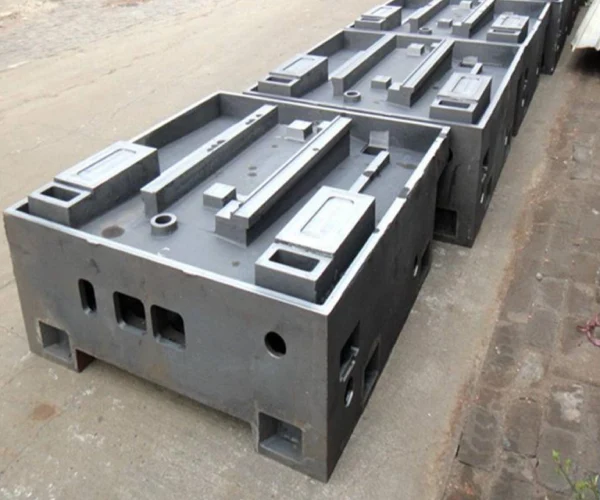
Ductile iron shell molding casting services as a precision casting technology, delivers significant engineering value to engineers and procurement professionals seeking high performance and reliability. It effectively addresses common challenges in traditional casting—such as difficult tolerance control and insufficient component strength—directly enhancing the durability of final ductile iron casting parts while reducing total lifecycle costs.
The core of this process lies in combining the superior mechanical properties of ductile iron with the precision of shell molding. Systematic treatment enables high-accuracy forming of complex components. The resulting ductile cast iron products exhibit outstanding tensile strength, toughness, and fatigue resistance, making them ideal for critical applications in automotive, heavy machinery, and piping systems.
This article dissects the complete ductile cast iron shell molding process—from mold preparation and shell construction to final cleanup—detailing its five core advantages in strength, toughness, corrosion resistance, and more. It also showcases specific application examples across five critical sectors: automotive engine blocks, ductile cast iron pipes, pump housings, and wind turbine components.
Ductile iron shell molding Process Steps for Ductile Cast Iron
Shell molding is a precise and efficient casting process widely used in the production of ductile cast iron components. Each stage of this process ensures the quality, durability, and dimensional accuracy of products for industrial applications. The following steps detail how the ductile cast iron shell molding process guarantees the quality and performance of every casting.
Preparation for Resin-Coated Sand Molding
Ductile cast iron shell molding begins with a metal mold (typically steel or aluminum) heated to a specific temperature. Resin sand is applied to the heated surface, adhering and hardening to form a thin shell layer. This process creates a precise mold cavity, ensuring high accuracy in the final casting process. Mold adjustments during this stage are critical for achieving stable ductile iron casting parts.
Shell Construction: Layering and Curing
Multiple layers of resin-coated sand are systematically added atop the initial shell layer. Each layer undergoes thermal curing to reinforce the structure and enhance mold strength. Through this meticulous layering process, the resulting shell maintains exceptional stability during the pouring of ductile cast iron molten iron. The resulting casting shell withstands extreme temperatures without deformation, preserving dimensional accuracy throughout the entire production process.
Magnesium inoculation and pouring to promote nodule formation
Magnesium treatment is required to form spheroidal graphite in ductile cast iron. Molten iron must undergo magnesium alloy treatment before being poured into molds. This process promotes the formation of a spheroidal or “spherical” graphite structure within the metal matrix. The enhanced spheroidization properties improve mechanical characteristics such as tensile strength and ductility in ductile cast iron components.
Magnesium inoculation and pouring to promote nodule formation
Magnesium treatment is required to form spheroidal graphite in ductile cast iron. Molten iron must undergo magnesium alloy treatment before being poured into molds. This process promotes the formation of a spheroidal or “spherical” graphite structure within the metal matrix. The enhanced spheroidization properties improve mechanical characteristics such as tensile strength and ductility in ductile cast iron components.
Demolding and Cleaning of Ductile Iron Shells
After cooling, the hardened ductile iron shell molds are broken apart using mechanical or vibratory methods (referred to as “knocking out”). Residual sand particles are then removed through blasting techniques such as sandblasting or shot blasting to enhance surface quality. This post-casting process ensures finished ductile iron castings meet stringent cleanliness and appearance standards valued across global industrial sectors.
Looking for a reliable China metal foundry?
- We can help you optimize product design and save costs.
- We can help you with high quality high volume cast parts.
- We can deliver on time and get more sales market opportunities.
- You will benefit from Supro MFG metal casting service.
The Five Major Advantages of Ductile Cast Iron Shell Molding
Ductile cast iron shell molding offers unparalleled advantages in strength, durability, precision, and corrosion resistance. By combining exceptional material properties with precision forming technology, it produces robust and reliable components, making it the preferred process for modern manufacturing applications.
Ductile Iron's Exceptional Tensile Strength and Yield Strength
Ductile iron is renowned for its high tensile strength, ensuring it resists fracture under immense loads. Its outstanding yield strength enables it to withstand permanent deformation under stress, making it an ideal choice for structural components in bridges or heavy machinery. With its unique mechanical properties, ductile iron demonstrates exceptional reliability in industries demanding stringent durability.
Exceptional elongation and impact resistance ensure long-lasting durability
Ductile cast iron possesses outstanding elongation, allowing it to stretch under stress without fracturing—a critical property for safety-critical applications and one of the key advantages distinguishing ductile iron from gray cast iron. Its high impact resistance ensures ductile iron casting parts can absorb sudden shocks, reducing the risk of catastrophic failures during operation. This combination of toughness and resilience makes ductile iron an unmatched choice for automotive and industrial applications.
High Fatigue Limit Under Cyclic Loading
Ductile iron effortlessly handles cyclic loading, ensuring long-term performance stability even in demanding environments such as transportation or construction equipment. Its robust fatigue limit means fewer replacements or repairs for ductile iron casting parts during extended use—saving costs while boosting efficiency. This characteristic makes it a reliable, durable choice for high-demand applications in ductile iron castings.
Superior Corrosion Resistance of Nickel Alloys
Nickel alloying enhances ductile cast iron's ability to withstand environmental challenges. Exceptional rust resistance extends service life in outdoor applications. Outstanding chemical resistance effectively defends against harsh industrial chemicals. Robust oxidation resistance ensures surfaces remain intact under extreme weather conditions. This further guarantees the reliability and enduring durability of ductile iron castings during long-term use.
Precise hardness and dimensional accuracy reduce machining requirements
Shell molding technology ensures exceptional dimensional accuracy in ductile iron castings, bringing parts closer to their final shape. This advantage directly delivers the following core benefits:
* Generates castings with precise contours, reducing machining needs and saving production time and costs;
* Achieves uniform surface hardness through precise molding and cooling control, enhancing the wear resistance of ductile iron casting parts;
* Strict tolerance control minimizes assembly-stage errors, ensuring overall quality and interchangeability of ductile iron castings.
By combining the forming advantages of shell molding technology with the material properties of ductile cast iron, castings meeting stringent dimensional requirements and possessing outstanding mechanical properties can be efficiently produced.
Leveraging these strengths, Supro MFG delivers customized, high-quality products tailored to diverse industrial demands!
Applications of Ductile Cast Iron Shell Molding
Ductile cast iron has emerged as a core manufacturing technology meeting the stringent demands of modern industry, thanks to its exceptional dimensional accuracy, high strength, and outstanding fatigue resistance. Durable housings formed through ductile cast iron shell molding deliver reliable, high-performance solutions for critical sectors including the automotive industry, infrastructure, heavy machinery, fluid conveyance, and renewable energy.
Automotive Components: Engine Block and Manifold
Engine blocks made from ductile cast iron offer unmatched durability and heat resistance, extending engine lifespan. Exhaust manifolds benefit from this material's resistance to cracking in high-temperature environments. Its lightweight properties reduce vehicle weight while maintaining structural integrity. Furthermore, ductile iron maintains stable performance under varying stress levels in automotive components, making it the preferred material for automotive engineers worldwide. It is widely used in various ductile iron castings.
Durable Pipe Fittings for High-Pressure Systems
Ductile cast iron's exceptional corrosion resistance ensures long-term reliable operation in harsh environments such as water or gas pipelines. This material effectively withstands extreme pressures, making it an excellent choice for industrial system piping components. With its wear-resistant properties, ductile iron casting parts effectively reduce maintenance costs. In urban infrastructure projects, ductile cast iron pipes play a critical role in ensuring the safe and efficient transportation of fluids between cities.
Heavy-duty mechanical components with high fatigue strength
As an advanced cast iron metal composition, ductile iron is specifically engineered to withstand dynamic loads in industrial equipment, offering long-term resistance to fatigue failure and meeting the demands of high fatigue strength applications. Its exceptional toughness makes it a preferred choice for structural components in heavy machinery.
Typical applications include gears, crankshafts, axles, and mining equipment subjected to continuous wear. For manufacturers, heavy-duty mechanical components produced through the ductile iron casting process significantly extend equipment lifespan and reduce operational downtime.
Precision Pump Housings for Fluid Transfer
Ductile cast iron meets the stringent dimensional requirements for pump housing manufacturing. It resists corrosion from various fluids like water or chemicals during operation, offering both excellent chemical resistance and wear resistance. Common applications include:
* Critical components in hydraulic systems
* Pump housings for industrial and municipal water systems
* Impeller housings
With these properties, pump bodies made from ductile iron ensure smooth equipment operation while reducing the risk of leaks or mechanical failures caused by corrosion or deformation. This makes them a reliable and durable choice for diverse fluid transfer applications.
Wind Turbine Hub Components
The demanding operating conditions faced by wind turbines make ductile cast iron an ideal choice. It effectively withstands repeated stresses caused by cyclic loading, ensuring turbine stability over decades of operation. Exceptional fatigue resistance is critical for safeguarding large-scale renewable energy projects.
By incorporating high-precision ductile iron casting parts manufactured from durable materials like ductile iron into their designs, manufacturers can simultaneously enhance the efficiency and service life of wind turbine hubs, thereby providing enduring support for green energy infrastructure.
contact Supro Metal foundry
Ductile cast iron shell molding combines precision shell molding techniques with high-performance materials to deliver high-strength ductile iron castings for critical applications in automotive, heavy machinery, and fluid systems. Its exceptional fatigue resistance, superior corrosion resistance, and outstanding dimensional accuracy ensure long-term reliable operation of ductile iron casting parts under demanding conditions, significantly extending equipment lifespan and reducing maintenance requirements.
Even when internal pressure surges, ductile cast iron maintains rock-solid tensile and yield strengths. Nickel alloying elements build a barrier against water erosion and chemical corrosion; shell molding ensures precise dimensions. Like silent guardians within pipeline networks, they prevent leaks before they occur.
In the ductile iron casting process, trace magnesium transforms graphite into microscopic spheres—these nodules impart ductility and impact resistance. In automotive components or heavy machinery parts, this microstructural change effectively prevents sudden fractures during load surges.
The precision-formed mold achieves the required hardness grade upon cooling. Resin-coated sand molds strictly adhere to design tolerances. The exceptionally smooth molded surface eliminates multiple finishing operations before assembly. This process drastically reduces post-casting trimming time for complex ductile iron castings from hours to mere seconds, significantly boosting production efficiency.
In engine blocks or manifolds subjected to cyclic stress cycles, fatigue strength becomes a matter of survival—ductile cast iron shell molding delivers higher repeatability, smoother contours, and reduces defects like cold shuts or misalignment, preventing these issues from compromising performance years later.
Nickel-alloy grades resist pitting corrosion even near salt-laden coastlines; molybdenum elements add protective barriers in areas with severe chemical corrosion. Below are specific applications, core components, and material selection criteria for ductile cast iron in water supply, offshore energy, and agriculture industries:
Industry | Key Application | Reason for Selection |
Water Supply | Pipe fittings | Corrosion resistance keeps flow clean over decades |
Offshore Energy | Wind turbine hubs | Strength holds under constant gust & sea spray assaults |
Agriculture | Heavy-duty equipment parts | Hardness & impact resistance avoid breakage across seasons |
Core quality inspection procedures to safeguard ductile cast iron products from failure risks in large-scale orders: Nondestructive testing penetrates surfaces without damage, revealing pores invisible to the naked eye; Metallographic examination confirms perfect crystalline grain distribution after magnesium treatment; Dimensional inspection precisely identifies any deviations from design specifications before pump housings enter fluid systems. Fundamentally eliminating leakage risks.
 English
 Français
 Deutsch
 Italiano
 日本語
日本語 한국어
한국어 Polski
 Português de Angola
 Русский
 Español de Argentina