
철 주조 서비스
Supro MFG는 내구성이 뛰어난 주철 부품을 필요로 하는 OEM 구매업체를 대상으로, 도면 검토부터 생산에 이르기까지 주철 주조 서비스를 제공합니다. 당사는 펌프, 밸브, 기계 프레임, 농업용 장비, 건설 장비 및 산업용 하드웨어에 사용되는 회주철, 연성 주철 및 가단 주철 부품을 지원합니다. 견적 제출 전에 당사 팀은 재료 등급, 공정 경로, 가공 여유, 표면 처리 및 검사 요건을 검토하여, 구매자가 금형 제작이나 양산 전에 위험을 줄일 수 있도록 돕습니다.
- ISO 9001-2015 및 TSI 16949 품질 시스템
- 주조 워크숍 3곳과 기술직 직원 120명
- 18명의 품질 엔지니어 및 검사 보고서 지원
- 1997년에 8,800제곱미터 규모의 시설을 갖추고 설립되었습니다.
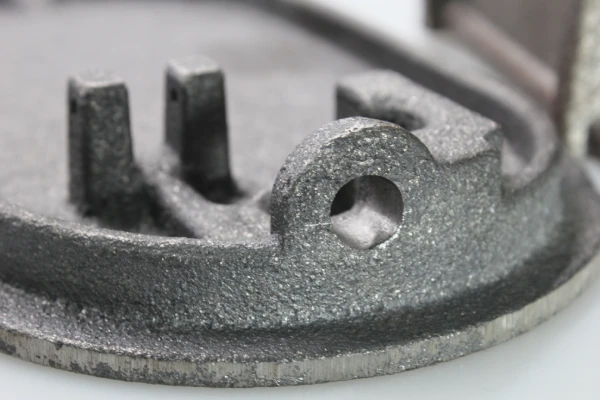
재료 및 등급 선정
주철 재료 및 등급 옵션
주철 소재 선정은 하중, 진동, 충격, 마모 및 가공 요구 사항에 부합해야 합니다. Supro MFG는 견적 제출 전에 일반적인 회주철 및 연성 주철 등급, 부품 중량, 공정 경로, 가공 여유량 및 검사 요건을 검토해 드립니다.
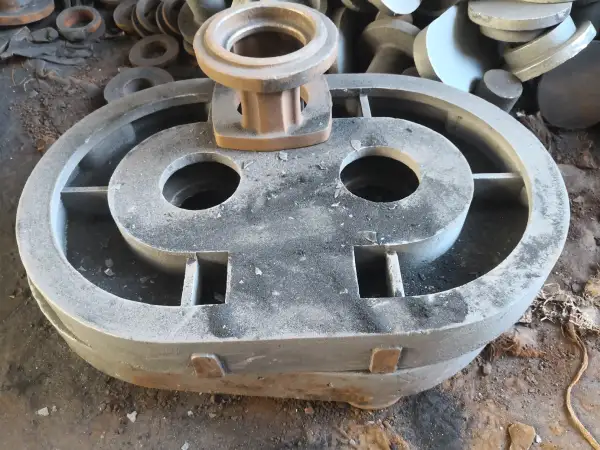
회주철 주물 부품
GB 표준에 따른 HT200, HT250, HT300 및 HT350을 포함한 회주철은 내충격성보다 진동 감쇠, 압축 강도 및 가공성이 더 중요한 경우에 선택됩니다. 이러한 등급은 대체로 ASTM A48 No.30, No.35, No.45 및 No.50, EN-GJL-200 ~ EN-GJL-350, DIN GG20 ~ GG35에 해당합니다. 당사는 기계 베이스, 펌프 하우징, 밸브 본체, 커버 및 엔진 블록용으로 개당 0.5kg에서 2,000kg에 이르는 회주철 주물을 검토할 수 있습니다.
연성 주철 주조품
가공이 용이하고, 피로 강도와 항복 강도가 우수하며, 내마모성도 뛰어납니다. 그러나 이 소재의 가장 잘 알려진 특성은 연성입니다. 일반적인 등급으로는 GB 표준에 따른 QT450-10, QT450-18 및 QT500-7이 있으며, 이에 상응하는 ASTM 등급으로는 65-45-12, 60-40-18 및 80-55-06, EN-GJS-450-10, EN-GJS-450-18, EN-GJS-500-7, DIN GGG-40 / GGG-50 등이 있습니다.연성 주철은 조향 조인트, 쟁기 헤드, 크랭크샤프트, 중량 기어, 승용차 및 트럭 서스펜션 부품, 유압 부품 및 자동차 문 경첩.
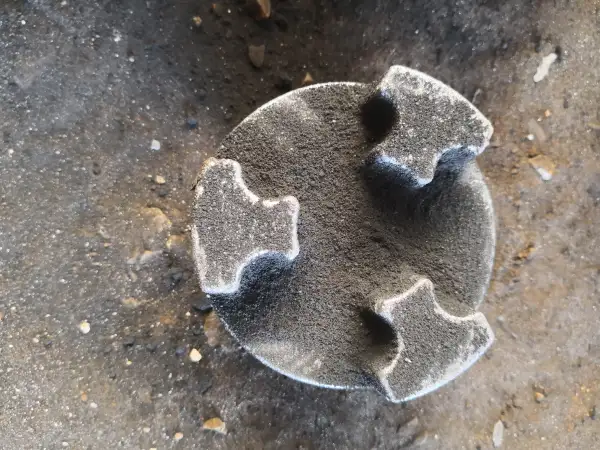
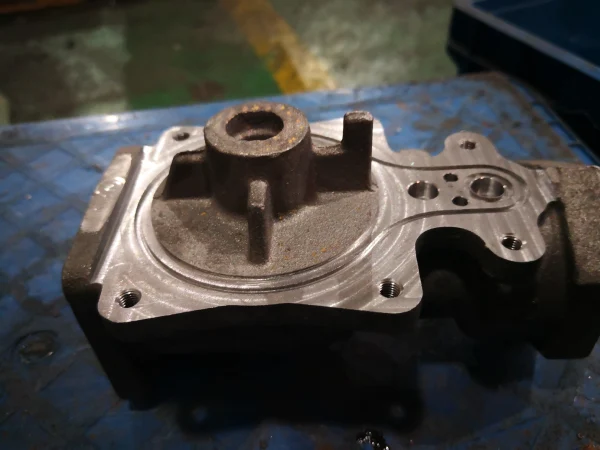
가단 주철 주조 부품
매력적인 가단 주철의 특성 철의 특징은 윤활제를 유지하고 저장하는 능력, 비마모성 마모 입자, 그리고 다른 마모성 이물질을 가두는 다공성 표면입니다. 가단성 주철은 하중을 많이 받는 지지면에 사용됩니다., 체인, 스프로킷, 커넥팅로드, 구동계 및 차축 부품, 철도 차량, 농업 및 건설 기계.
| 주철 | 표준 | |||||
| GB | ASTM | BS | NF | DIN | ISO | |
| 회주철 | HT200 | 제30호 | 220 등급 | EN-GJL-200 | GG20 | 200 |
| HT250 | 제35호 | 260등급 | EN-GJL-250 | GG25 | 250 | |
| HT300 | 제45호 | Grade 300 | EN-GJL-300 | GG30 | 300 | |
| HT350 | No.50 | Grade 350 | EN-GJL-350 | GG35 | 350 | |
| 연성 주철 | QT450-10 | 65-45-12 | GGG-40 | EN-GJS-450-10 | 450/10 | 450-10 |
| QT450-18 | 60-40-18 | GGG-40 | EN-GJS-450-18 | 400/18 | 450-18 | |
| QT500-7 | 80-55-06 | GGG-50 | EN-GJS-500-7 | 500/7 | 500-7 | |
Cast Iron or Steel Casting?
Use cast iron when damping, machinability and cost control are more important than severe impact resistance. Use steel casting when the component requires higher tensile strength, weldability or heavy shock-load performance. If the material choice is unclear, Supro MFG can review the application and connect the project with the proper material route. View steel casting for higher strength applications.
디자인 - 프로토타입 - 금형 - 주조
Supro Metal 주조 공장을 방문해 보세요
수프로 메탈 파운드리(Supro Metal Foundry)는 중국을 선도하는 금속 주조 부품 제조업체인 당사는 1997년에 설립되었으며, 지속적인 주조 기술 업그레이드와 첨단 주조 장비 교체를 통해 업계를 선도하는 주조 기업으로 성장했습니다. 8,800제곱미터의 부지에 3개의 주조 작업장과 정밀 CNC 가공 및 표면 코팅 작업장을 보유하고 있으며, 120명의 기술 직원, 18명의 품질 엔지니어, 17명의 핵심 경영진이 안정적인 금속 제품을 제공합니다. 부품 캐스팅 중국 및 전 세계 3,800여 개 구매 기업을 대상으로 공급 프로젝트를 수행합니다.
저희는 금속 분야를 전문으로 합니다 다양한 복잡한 구조를 가진 주조품, 그리고 주조 재료에 대한 풍부한 지식과 주조 경험을 활용하여, 전문적인 주조 기술을 통해 고품질의 금속 주조 부품을 고객에게 적시에 제공합니다.
신속 주조 프로토타입이든 대량 주조든, 당사는 제품 디자인 및 최적화, 금형 디자인 및 제조, 금속 주조 공정을 포함한 강력한 주조 역량을 제공할 수 있습니다., 품질 관리, 정밀 CNC 가공, 재료 및 물성 테스트, 표면 코팅, 그리고 포장 및 운송과 같은 원스톱 금속 주조 서비스.
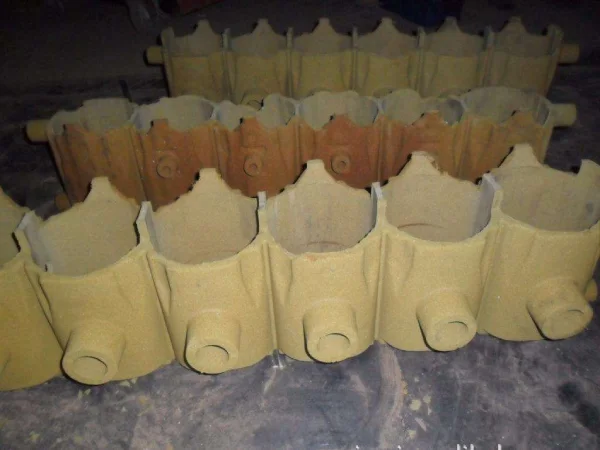
Process Options
Foundry Process Options for Cast Iron Components
The right foundry process depends on part size, surface requirement, tolerance expectation, annual volume and material grade. We do not push every project into one route. The process is selected after drawing review.
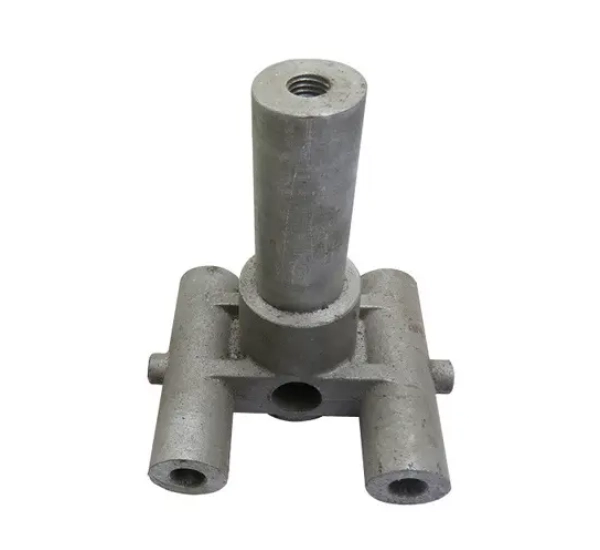
iron green sand casting
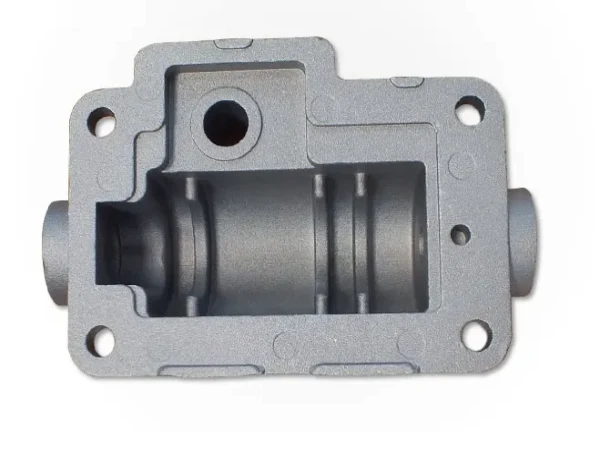
iron Shell mould casting
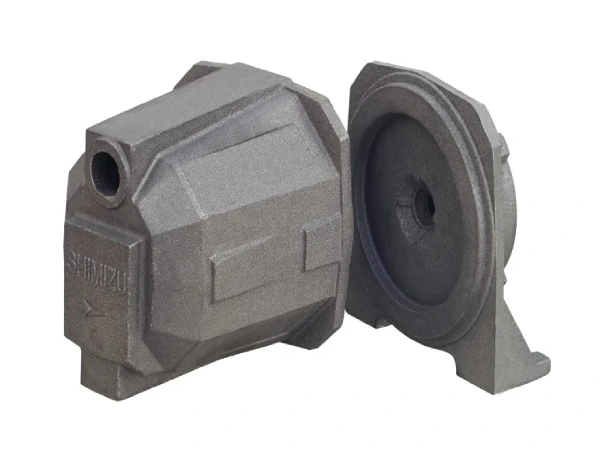
Iron Resin sand casting
Engineering Support
Engineering Review Before Production
A successful casting project starts before molten metal is poured. Supro MFG reviews wall transitions, sharp corners, rib thickness, boss design, core structure, machining allowance and surfaces that may be difficult to clean or machine. This review helps reduce shrinkage, sand inclusion, porosity, deformation, hard spots and machining difficulty while keeping the function of the part unchanged.
- Wall thickness, draft angle and ribs review
- Parting line, core structure and cleaning difficulty check
- Machining allowance and critical area confirmation
Quality Control
Quality Control and Inspection Reports
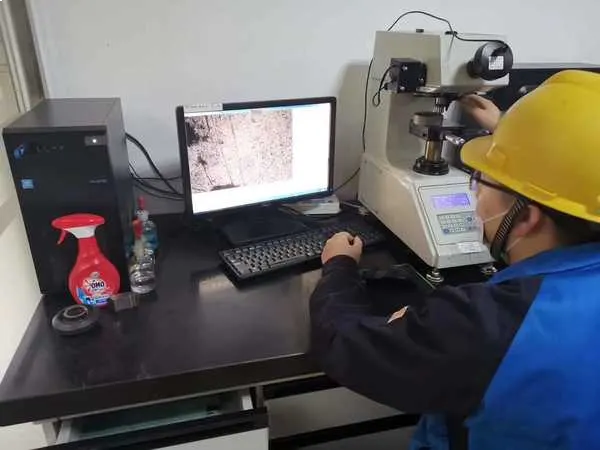
Buyers need stable material composition, reliable dimensions and repeatable batches. Supro MFG controls cast iron projects through material verification, melt control, mold preparation, pouring control, cleaning, machining inspection and final shipment review. Depending on project requirements, inspection can include CMM dimensional inspection, spectrometer chemical analysis, mechanical property testing, destructive testing when required, non-destructive testing and final packing review.
Material Verification
Spectrometer chemical analysis and material certificate support.
Mechanical Testing
Mechanical property testing and destructive testing when required.
Dimensional Inspection
CMM and machining area checks for critical dimensions.
NDT Support
Non-destructive testing and final packing review based on project needs.
Ready to send a drawing?
Upload your 2D/3D file and ask for material, process and inspection review.
Secondary Operations
Machining, Heat Treatment and Surface Finishing
Secondary operations should be planned before quotation because they affect tooling, machining allowance, inspection and shipment readiness.
CNC 가공
CNC machining for mounting faces, sealing surfaces, holes, threads and assembly areas.
- CNC machining for cast iron parts
- Machining area verification
- Critical dimension inspection
열처리
Heat treatment can be reviewed when strength, hardness, stress relief or dimensional stability matters.
- Heat treatment for cast iron parts
- Hardness requirements
- Application-based review
Surface Finishing
Finishing options include sand blasting, painting, powder coating, chrome or tin plating, acid etching, galvanizing and polyamide coating.
- Surface finishing for cast iron parts
- Corrosion exposure review
- Appearance and packing requirements
Wide range of iron casting applications
- Valve Body
- Compressor Valves
- Coupling
- Chain wheel
- Hydraulic valves and
- cylinders
- Structural brackets
- Rollers
- Cable reel
- Frames
- Pumps
- Crankshaft
- Camshaft
- Exhaust manifold
- Machine Frame
- Flanges
- Hubs
- Gearboxes
Buyer Questions
FAQ for Cast Iron Part Sourcing
These questions focus on RFQ preparation, material selection, inspection and post-delivery quality handling.
Please send the drawing or sample, material grade, quantity, annual volume, tolerance requirement, machining areas, surface finish, application and target delivery date. If the material grade is not fixed, our team can review the load condition and recommend gray iron, ductile iron or another route.
For 2D drawings, PDF, DWG and DXF are commonly reviewed. For 3D models, STP, STEP, IGES and OBJ can be checked. For large RFQ packages, please confirm the final accepted format with our team before submission.
Common gray iron discussions include HT200, HT250, HT300 and HT350, with related ASTM, EN and DIN references. Ductile iron discussions may include QT450-10, QT450-18 and QT500-7, with corresponding ASTM, EN-GJS and DIN grades.
Current project discussions can cover parts from about 0.5 kg to 2,000 kg per piece. Final feasibility still depends on geometry, 벽 두께, process route, machining requirements and inspection standard.
Gray iron is often selected for damping, machinability and cost control. Ductile iron is used when higher strength, toughness and impact resistance are required. The correct route depends on load, fatigue risk, service environment and machining needs.
강철 casting is usually considered when the part needs higher tensile strength, weldability or heavy shock-load performance. Cast iron is often better for damping, machinability and cost-sensitive housings, bases and covers.
Inspection can include CMM dimensional checks, spectrometer chemical analysis, mechanical property testing, destructive testing when required, non-destructive testing and final packing review. Material certificates and inspection reports can be arranged based on project requirements.
Yes. Many cast iron components require CNC machining for holes, threads, sealing surfaces, mounting faces and assembly areas. Machining requirements should be included in the quotation and inspection plan.
If a buyer reports a quality issue, the process should include photo or report review, batch traceability check, root cause analysis and corrective action. Replacement, rework or credit terms should follow the confirmed purchase agreement and inspection standard.
Request a Quote
Upload Your Drawing for a Factory-Direct Quote
Send a 2D drawing, 3D file or sample photos with material grade, quantity, annual volume, machining areas, surface finish and inspection requirements. Our team will review your project and confirm a factory-direct quotation path.
- PDF, DWG or DXF for 2D drawings
- STP, STEP, IGES or OBJ for 3D models
- Material grade, quantity, annual volume and inspection needs
- Machining, surface finish and packing requirements
 English
 Français
 Deutsch
 Italiano
 日本語
日本語 한국어
한국어 Polski
 Português de Angola
 Русский
 Español de Argentina