
Agricultural Machinery Casting
Agricultural Castings Manufacturer for Tractor and Farm Equipment Parts
Agricultural castings operate under abrasive soil, impact, vibration, contamination and long field-service intervals. A bracket, gearbox housing and ground-engaging component may all be used on farm machinery, but they do not require the same alloy, hardness, heat-treatment or inspection plan. Supro MFG reviews drawing-based agricultural machinery casting projects for tractor, tillage, harvester, implement and equipment components, with casting, CNC machining, inspection and specified secondary operations coordinated around the approved drawing.
25年以上
Drawing-Based Review
鋳造+CNC
Agreed Documentation
Material, dimensional and traceability scope
PROJECT FIT SNAPSHOT
Is Your Agricultural Casting Project a Fit?
Use this quick check before sending a drawing. Final feasibility is confirmed from the controlled technical information and project scope.
| Part types | Tractor brackets, carriers, gearbox or transmission housings, mounting parts, implement components and selected wear-exposed castings. |
|---|---|
| Project status | New designs, approved production drawings, cost-down reviews and authorized legacy or replacement-part enquiries. |
| Supply scope | Raw, semi-machined or machined castings, with 熱処理, finishing and inspection included only when defined in the quotation. |
| Material review | Ductile iron, gray iron, cast steel and buyer-specified alloys reviewed against load, impact, wear, machining and documentation requirements. |
| Required input | Controlled drawings or authorized samples, field-service conditions, quantity, machining interfaces, inspection requirements and delivery expectations. |
| Evidence package | Material, dimensional, hardness, mechanical-property and traceability records can be defined according to the agreed project scope. |
| Not a fit | Retail spare-part sales, same-day repair supply, or reproduction of branded components without customer ownership or written authorization. |
DRAWING-BASED PROJECT REVIEW
Custom Agricultural Casting Support for OEM and Replacement Programs
The page is designed for OEM buyers, equipment manufacturers, replacement-part distributors and specialty machinery builders that need custom agricultural castings rather than catalogue retail parts. Enquiries may cover new designs, existing production parts, cost-down projects or legacy components supported by drawings, samples and field information.
The first objective is not to force the part into one casting route. Supro reviews the required function, load path, wear location, mating interfaces, annual quantity, seasonal delivery window and downstream machining before recommending sand casting, ロストワックス鋳造 or another manufacturing route. Parts that are better fabricated, machined from wrought stock or purchased as standard hardware should remain outside the casting scope.
Buyers evaluating an agricultural casting manufacturer should compare total project cost, tooling, machining, validation and replacement risk rather than selecting a supplier from a metal price per kilogram.
COMPONENT FAMILIES
Agricultural Machinery Components We Can Review
Feasibility is confirmed from the drawing, field condition, material, size, wall thickness, machining scope, quantity and evidence requirements.
01
Tractor & Powertrain Components
Brackets, carriers, covers and support castings where load path, fatigue, mounting accuracy and batch interchangeability matter.
02
Gearbox & Transmission Housings
Housings and cases requiring stable datum strategy, bearing-bore alignment, sealing faces and controlled machining allowance.
03
Tillage & Ground-Engaging Components
Selected supports, holders and wear-exposed parts reviewed against abrasion mechanism, impact, replaceable-edge strategy and field-life target.
04
Harvester & Implement Components
Combine, seeding, spreading and implement castings where repeated load, contamination and seasonal availability influence the plan.
05
Hydraulic, Irrigation & Drive Housings
Pump, motor, bearing and drive-system housings reviewed for passages, sealing, machining and inspection requirements.
06
Legacy & Replacement Components
Sample-based or drawing-recovery projects can be reviewed separately when original data is incomplete, the buyer can provide service and failure evidence, and the buyer owns or is authorized to reproduce the component.
LOAD, IMPACT & WEAR BALANCE
Materials for Agricultural Castings
The ordered grade follows the application and purchase specification. Standard ductile iron should not be presented as a universal wear material.
01
Ductile Iron for Load-Bearing Parts
Commonly considered for brackets, carriers, housings and mounting components that need strength, impact tolerance and machinability. ASTM A536 may apply when specified.
02
Gray Iron for Housings & Damping
Considered where damping, thermal stability, machinability and cost are more important than high impact tolerance. ASTM A48/A48M may apply when specified.
03
Cast Steel for Higher Impact or Strength
Reviewed where the load case, weldability, impact requirement or section design makes a steel casting more suitable than iron.
04
ADI or Wear-Resistant Iron by Specification
Austempered ductile iron or abrasion-resistant cast iron may be evaluated for selected projects, but suitability depends on base iron, section size, heat treatment, microstructure, impact and verification requirements.
ASTM A536 is a specification for ductile iron castings; it is not a general list of “wear grades.” ASTM A48/A48M covers gray iron castings for general engineering use where tensile strength is a major consideration. When a project requires austempered ductile iron, ASTM A897/A897M may be relevant. High-abrasion applications may instead reference a wear-resistant cast iron specification such as ASTM A532/A532M or a customer-specific material.
These standards are examples of purchase requirements, not automatic claims that every Supro casting complies with every grade. The drawing or purchase order should identify the exact standard, grade, edition, test coupons, heat treatment, microstructure, hardness and acceptance criteria.
プロセスの選定
Selecting a Casting Process for Farm Equipment Parts
01
Sand Casting for Agricultural Iron Components
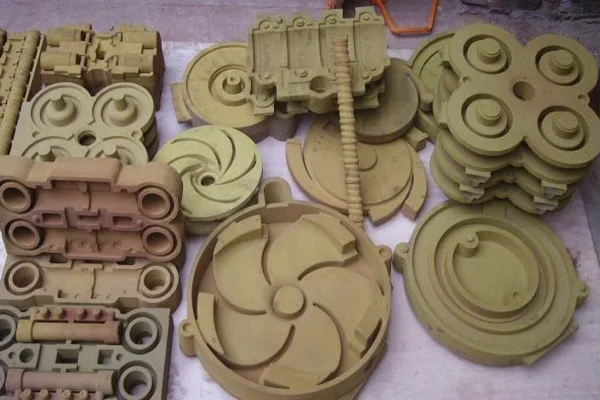
Often suitable for ductile iron, gray iron and steel parts with larger envelopes, moderate detail and low-to-medium production volumes. Tooling and molding route are selected from size, quantity, surface and defect requirements.
02
Investment Casting for Smaller Complex Parts
Can suit selected smaller steel or other compatible alloy components that require complex geometry, closer as-cast detail and reduced machining. It is not automatically the lowest-cost route for larger farm-equipment parts.
03
Prototype or Sample-Based Routes
Prototype casting, machined samples or temporary tooling can be considered where design validation is required before production tooling, subject to material and test requirements.
The quotation should clearly separate tooling, samples, production castings, machining, heat treatment, finishing, inspection, packaging and any validation work. This prevents a technically incomplete low quotation from becoming a more expensive project after tooling release.
DFM BEFORE TOOLING
Engineering Review Before Agricultural Casting Production
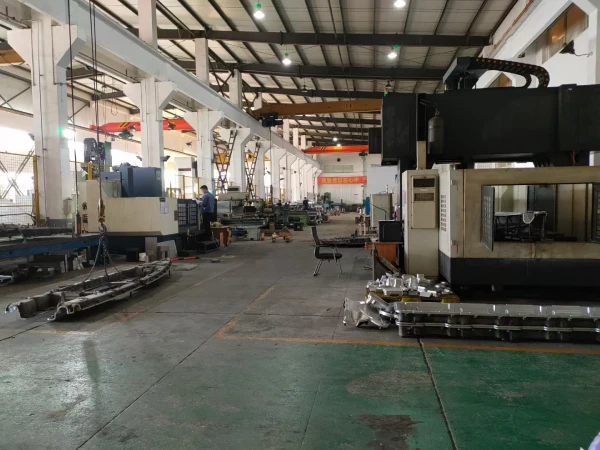
The strongest opportunity to reduce casting cost and field risk occurs before the pattern, die or fixture is approved. Supro reviews the 2D drawing, 3D model, material specification, machining drawing and service notes together. The review considers wall-thickness transitions, isolated heavy sections, ribs, bosses, fillets, draft, parting line, cores, feeding direction and clean-out access.
Machining review connects as-cast allowance to the finished datum system. Bearing bores, mounting faces, bolt patterns, shaft alignment, sealing surfaces and other critical-to-quality features are identified before tooling. The review also considers heat-treatment distortion, fixture access, inspection datums and how batch parts will remain interchangeable.
For wear-exposed parts, the buyer should identify the actual wear zone, direction of material flow, impact points and whether a replaceable insert or sacrificial edge is preferable. Recommended changes are returned for customer approval; the design intent is not changed without written agreement.
FIELD PERFORMANCE
Wear, Impact and Heat-Treatment Review
A wear requirement should describe the mechanism, not only a target hardness. Useful inputs include soil or material type, abrasive particle size, moisture, impact severity, operating speed, contact angle, current material, existing hardness, failure location and the desired improvement.
Normalizing, quenching and tempering, austempering or other heat-treatment routes may be relevant to a specified material, but the process must be matched to section size, chemistry, mechanical-property target and verification plan. ADI is not simply a generic post-treatment applied to any ductile iron casting; it requires suitable base iron, controlled austempering and confirmation of the required mechanical properties and microstructure.
The quotation should state whether heat treatment is included, where it is performed, which cycle or specification applies, and which reports or tests are required. No field-life guarantee should be inferred from hardness alone.
SUPRO MFGを選ぶ理由
Why Source Agricultural Castings from Supro MFG
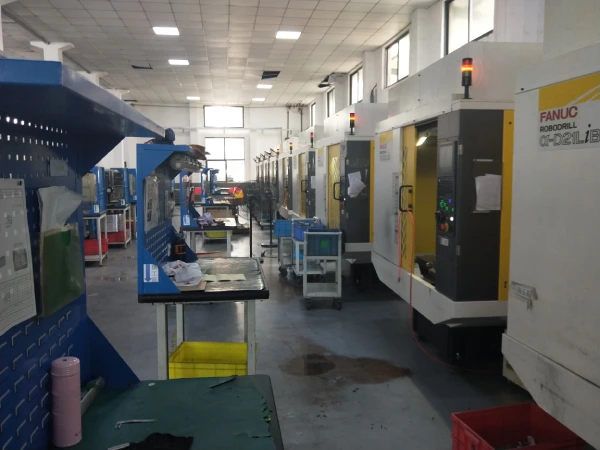
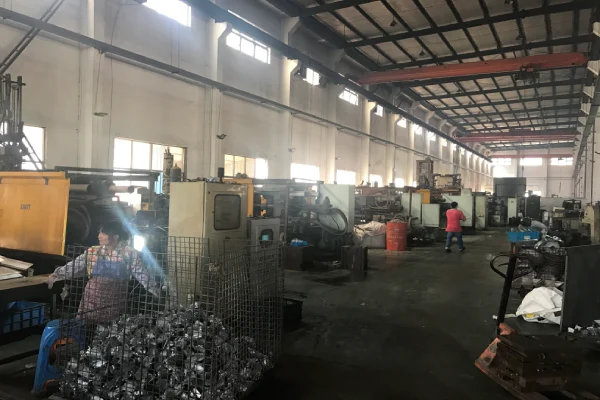
Supro 金属鋳造 部品メーカーとして1997年に設立され、鋳造技術の継続的な向上と先進的な鋳造設備の更新により、当社は業界をリードする鋳造企業へと成長しました。敷地面積8,800平方メートルを誇り、3つの鋳造工房、精密CNC加工・表面処理工房を備え、120名の技術従業員、18名の品質エンジニア、17名のコア企業経営陣が在籍しています。安定した金属を提供します 鋳造部品 中国および世界の3800社以上の購買企業向けに調達プロジェクトを提供します。.
当社は金属加工を専門としています 様々な複雑構造を持つ鋳物, 鋳造材料に関する豊富な知識と鋳造経験を活かし、専門的な鋳造技術を通じて、高品質な金属鋳造品をお客様に納期通りにお届けします。.
いずれにせよ ラピッドキャスティングによる試作モデル また、大量鋳造においても、当社は以下の分野を含む強力な鋳造能力を提供可能です:製品設計および最適化、金型設計・製造、金属鋳造プロセス、品質管理、精密CNC加工、材料および物性試験、表面コーティング、さらに梱包や輸送といったワンストップの金属鋳造サービスも提供しています。.
CASTING TO ASSEMBLY-READY PART
CNC加工および後工程
Agricultural castings often require machining of bearing bores, shaft locations, mounting faces, bolt patterns, threads, sealing faces and alignment features.Combining casting and CNC review helps establish realistic machining stock, fixture locations and inspection datums before the casting is released.
Depending on the drawing, the quoted scope may include milling, turning, boring, drilling, tapping, reaming and inspection of finished features. Blasting, cleaning, painting, powder coating, marking, preservation and transport protection can also be discussed when they are compatible with the material and downstream assembly process.
Universal tolerances or surface-finish values are not stated on this page. Finished dimensions, geometric tolerances, surface roughness and inspection frequency are confirmed from the controlled drawing.
QUALITY EVIDENCE
Batch Consistency, Inspection and Traceability
Agricultural buyers need repeatable parts across batches, especially where replacement components must fit existing machines. A project control plan may include melt chemistry verification, visual inspection, dimensional or CMM checks, hardness and mechanical-property testing, heat-treatment records, coating checks and traceability from heat or batch identification to inspection results.
First-article or sample inspection, critical-dimension frequency, test-coupon requirements, marking and retention of records should be agreed before quotation. For high-wear or safety-relevant applications, the customer should also define microstructure, NDT or field-validation requirements where applicable. NDT method, acceptance criteria, frequency and whether testing is performed internally or by an approved external laboratory are confirmed in the quotation.
The evidence package is part of the product scope. It should be priced and scheduled with the casting rather than requested after production has started.
役立つ見積依頼書(RFQ)を作成する
What to Send for an Agricultural Casting Quotation
A complete RFQ reduces assumptions and helps compare tooling, material, machining, inspection and delivery before pricing.
| 見積依頼(RFQ)の入力 | 記載すべき内容 | その重要性 |
|---|---|---|
| 図面・模型 | PDF、DWG、またはDXF形式の図面に加え、入手可能な場合はSTEP、STP、またはIGES形式のモデル | Defines revision, geometry, tolerances, datums and technical notes |
| Existing part or sample | Photos, measured dimensions, worn or fractured sample, wear map and mating-part information | Supports legacy-part review and identifies current failure mode |
| Field-service condition | Soil/material type, moisture, impact, load, speed, contamination, operating hours or acreage | Explains the actual abrasion, impact and fatigue environment |
| Material & standard | 要求される合金グレード、規格、許容される同等品、熱処理、および証明書の様式 | キャスティングの制御 route, properties, tests and traceability |
| Wear & performance target | Current material/hardness, wear zone, failure location, desired improvement and validation method | Prevents hardness from being used as a stand-alone wear-life assumption |
| Quantity & seasonal window | Prototype quantity, batch size, annual forecast, required delivery window and safety-stock plan | Drives tooling, capacity, batch planning and delivery feasibility |
| Machining & interfaces | Finished dimensions, CTQ features, bearing bores, mounting faces, threads and surface finish | Connects casting allowance to assembly and interchangeability |
| Secondary operations | Heat treatment, blasting, coating, marking, preservation and packaging | Defines the complete supply scope before pricing |
| Inspection & evidence | Material certificate, chemistry, dimensions/CMM, hardness, mechanical tests, microstructure or NDT | Defines acceptance criteria and the documentation package |
| Destination & commercial terms | Delivery destination, packaging requirements and Incoterm | Affects logistics scope and landed cost |
CONTROLLED OEM WORKFLOW
From Drawing Review to Production
01
見積依頼書の審査
図面、模型、合金、数量、および検査範囲。.
02
技術的な説明
工程、金型、コア、熱処理、および未解決の問題。.
03
引用
金型、試作品、量産、機械加工、検査、梱包。.
04
金型・サンプル
承認済みの図面およびサンプル検査計画を検証する。.
05
生産管理
溶融、成形、機械加工、および検査の記録を管理する。.
06
最終検査
部品、報告書、マーキング、および輸送時の保護措置を確認してください。.
A OEM用バルブ鋳造品の品質管理 プロジェクトは通常、以下の段階を経て進められます:
- 見積依頼(RFQ)の審査:図面、3Dモデル、材質、数量、加工範囲、検査要件、および納品先を確認します。.
- 技術的な明確化:エンジニアリングチームは、プロセス、金型、コア、熱処理、機械加工、および文書化に関して、未解決の課題を特定します。.
- 見積書および製造計画:本提案では、金型、試作品、量産部品、機械加工、仕上げ、検査、および物流を個別に区分しています。.
- 金型および試作品の検証:型、金型、またはワックスモデルを製作し、承認済みの図面に基づいて試作品部品を検査します。.
- 生産管理:溶融、成形、鋳込み、洗浄、熱処理、機械加工、および検査の記録は、合意された計画に従って管理されています。.
- 最終検査および梱包:部品を点検し、必要に応じて輸送中の破損や腐食から保護した上で、合意された輸送方法に合わせて梱包します。.
このページには、生産スケジュール、最小注文数量、および共通公差については記載されていません。これらは、選択された製造プロセス、合金、金型、部品サイズ、検査範囲、および注文数量によって異なるためです。.
購入に関するご質問
Agricultural Casting FAQ
What agricultural components can be reviewed for casting?
Drawing-based enquiries may include tractor brackets and housings, gearbox and transmission cases, tillage and implement components, harvester parts, hydraulic or drive housings, structural mounts and selected wear-exposed components. Feasibility depends on the drawing, field condition, alloy, size, machining, quantity and evidence requirements.
Which materials are commonly used for agricultural castings?
Common options include ductile iron, gray iron, cast steel and buyer-specified wear-resistant irons. ASTM A536 may apply to ductile iron and ASTM A48/A48M to gray iron when specified. The exact grade, heat treatment, tests and permitted equivalents must be confirmed from the purchase specification.
Is ductile iron always the best choice for agricultural wear parts?
No. Ductile iron is widely used for load-bearing brackets, housings and mounts because it combines strength, impact tolerance and machinability. A ground-engaging or high-abrasion part may require a different ductile iron condition, ADI, abrasion-resistant cast iron, cast steel or another manufacturing route.
Does a higher hardness guarantee longer field life?
No. Wear life also depends on abrasion mechanism, impact, microstructure, section thickness, geometry, support condition, operating speed and soil or material characteristics. Hardness is one control input and should be evaluated with field and failure information.
Can ADI or abrasion-resistant cast iron be reviewed?
Selected projects can be reviewed when the required standard, section size, base iron, heat treatment, mechanical properties, microstructure and validation plan are defined. ADI and abrasion-resistant iron should not be treated as generic upgrades for every agricultural component.
砂はいつ入れるべきか 鋳造またはインベストメント鋳造 キャスティングは使用されるのでしょうか?
砂型鋳造 is commonly reviewed for larger ductile iron, gray iron or steel components and low-to-medium production volumes. Investment casting can suit smaller complex components that need closer as-cast detail and reduced machining. Final selection follows the drawing, material, quantity, tooling, inspection and cost review.
CNC加工と仕上げも含まれますか?
Machining can be reviewed for bearing bores, mounting faces, bolt patterns, threads, sealing surfaces and alignment features. Blasting, cleaning, painting, powder coating, marking and transport protection can also be discussed when compatible with the material and assembly process.
Can a worn sample or discontinued farm-equipment part be reviewed?
A sample-based or reverse-engineering scope can be reviewed when the buyer owns the part data or has written authorization to reproduce it. Provide the worn or fractured sample, photographs, measured dimensions, mating-part information, field condition, current material and the required validation method. Dimensional and design responsibility must be agreed before production.
What inspection and traceability documents can be supplied?
The agreed package may include material certificates, chemistry results, dimensional or CMM reports, hardness and mechanical-property results, heat-treatment records, coating checks, microstructure or specified NDT reports, and heat- or batch-to-record traceability. NDT method, acceptance criteria, frequency and execution route are defined before quotation.
Can seasonal batch programs be supported?
Seasonal batch programs can be reviewed. Provide the required delivery window, batch quantity, annual forecast, tooling status, approval status and safety-stock expectations so production and shipping feasibility can be confirmed before quotation.
Which files and project details should I send for a quotation?
Send a controlled 2D drawing, 3D model when available, material standard, field-service condition, wear or failure information, quantity, seasonal timing, machining, heat treatment, inspection, documentation, packaging and destination. A generic price per kilogram is not reliable until these variables are reviewed.
まずは図面から始めましょう
Send Your Drawing for a Manufacturability Review
Your enquiry will be reviewed for process fit, material questions, tooling scope, machining interfaces, inspection requirements and quotation assumptions. The response will identify the technical information that must be clarified before a project-based quotation is prepared.
 English
 Français
 Deutsch
 Italiano
 日本語
 한국어
 Polski
 Português de Angola
 Русский
 Español de Argentina