
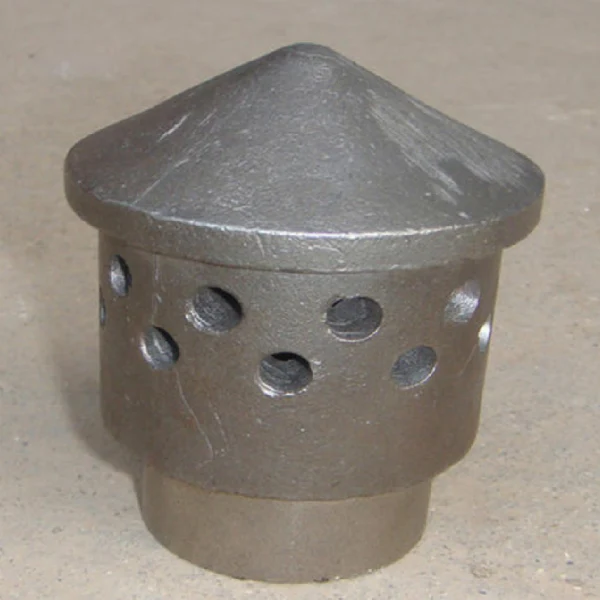
주강(Steel Casting)은 철강 제품에 널리 사용되는 주조 공정입니다. 이는 용강을 미리 설정된 틀에 부은 후 응고 및 냉각 과정을 거쳐 특정한 형상, 치수 및 물성을 가진 강철 주물을 얻는 방식입니다. 핵심 장점은 복잡한 구조를 형성하고 고하중 조건에 적응할 수 있다는 점에 있으며, 이로 인해 장비 제조 분야의 핵심 기초 부품 생산을 위한 핵심 제조 방법이 됩니다.
강철 주조는 다음과 같은 다양한 특수 공정을 포함합니다: 강철 정밀 주조, 강철 다이캐스팅, 모래 거푸집 강철 주조 등. 각 공정에 사용되는 재료에 따라 서로 다른 특성, 기능, 정밀도를 가진 강철 제품이 생산될 수 있습니다. 강철 주조는 비록 자주 눈에 띄지는 않지만, 다양한 분야에서 중대한 역할을 담당하고 있습니다.
주강의 주요 분류
디자인 - 프로토타입 - 금형 - 주조
수프로 메탈 파운드리(Supro Metal Foundry)는 중국을 선도하는 금속 주조 부품 제조업체인 당사는 1997년에 설립되었으며, 지속적인 주조 기술 업그레이드와 첨단 주조 장비 교체를 통해 업계를 선도하는 주조 기업으로 성장했습니다. 8,800제곱미터의 부지에 3개의 주조 작업장과 정밀 CNC 가공 및 표면 코팅 작업장을 보유하고 있으며, 120명의 기술 직원, 18명의 품질 엔지니어, 17명의 핵심 경영진이 안정적인 금속 제품을 제공합니다. 부품 캐스팅 중국 및 전 세계 3,800여 개 구매 기업을 대상으로 공급 프로젝트를 수행합니다.
저희는 금속 분야를 전문으로 합니다 다양한 복잡한 구조를 가진 주조품, 그리고 주조 재료에 대한 풍부한 지식과 주조 경험을 활용하여, 전문적인 주조 기술을 통해 고품질의 금속 주조 부품을 고객에게 적시에 제공합니다.
신속 주조 프로토타입이든 대량 주조든, 당사는 제품 디자인 및 최적화, 금형 디자인 및 제조, 금속 주조 공정을 포함한 강력한 주조 역량을 제공할 수 있습니다., 품질 관리, 정밀 CNC 가공, 재료 및 물성 테스트, 표면 코팅, 그리고 포장 및 운송과 같은 원스톱 금속 주조 서비스.
탄소강 주조
디자인 - 프로토타입 - 금형 - 주조
Carbon Steel Casting has a carbon content of 0.06%~2.11%, containing no or only trace amounts of alloying elements. Carbon Steel Casting is categorized into low, medium, and high carbon types based on carbon content within steel casting.
저탄소 강 주물(C≤0.25%)은 페라이트와 소량의 펄라이트로 구성되어 있으며, 총 합금 원소 함량은 ≤0.3%입니다.
중탄소강 주물 (0.25%<c≤0.6%) consists="" of="" pearlite="" and="" ferrite="" (or="" a="" small="" amount="" cementite),="" with="" si="" mn="" content="" usually="" ≤1.0%.).
고탄소강 주물(C>0.6%)은 펄라이트와 시멘타이트로 구성되어 있으며, 탄소 함량이 높아질수록 탄화물 함량도 증가합니다.
탄소강 Casting is suitable for most engineering scenarios, and its relatively economical characteristics make it suitable for cost-priority projects.
캐스팅 유형 | 핵심 성과 집중 | 일반적인 기계적 성질 (열처리 후) |
저탄소 주조 | 가소성, 용접성, 인성 | 인장 강도 300~450MPa, 연신율 ≥20% |
중탄소강 주조품 | 종합적 기계적 물성 | 인장강도 400~600MPa, 충격에너지 ≥30J/cm²
|
고탄소 주강 | 내마모성, 경도 | 브리넬 경도 ≥250HBW, 내마모성은 저탄소강의 2~3배 |
합금강 주조
디자인 - 프로토타입 - 금형 - 주조
합금강 주조 탄소강에 Cr, Ni, Mo, Mn 등의 합금 원소를 첨가하여 제조됩니다. 이 강철 주물은 저합금(총 합금 함량 ≤5%), 중합금(5% < 총 합금 함량 ≤10%), 고합금(총 합금 함량 > 10%)으로 분류됩니다. 강도 및 내식성과 같은 특성을 더욱 향상시키기 위해 다른 원소들을 추가할 수도 있습니다.
합금강 주물의 성능은 맞춤 제작이 가능합니다. 다원계 시너지 효과(예: Cr-Ni-Mo 조합)를 통해 강도, 내식성, 내열성 등의 물성을 향상시켜 극한의 작업 조건에 맞출 수 있습니다. 높은 내식성, 고강도, 내열성, 내마모성을 바탕으로 합금강 주물은 첨단 분야(예: 원자력 압력 용기, 크레인 선회 링, 야금용 로(爐) 바닥판 등)의 장비 제조에 매우 적합합니다.
합금강 주물에 더 높은 내식성이 요구되는 경우, 스테인리스 스틸 주조 선택할 수 있습니다. 스테인리스강 주조품에는 Cr≥12%(기본 내식성 성분)가 포함되어 있으며, 일부 등급에는 Ni, Mo가 함유되어 있습니다. 예를 들어, 304형 스테인리스강(중성 부식에 강함)과 316L형 스테인리스강(염화이온 부식에 강함)이 있습니다. 스테인리스강 주물은 부식성 환경에서 널리 사용됩니다.
기능형 | 핵심 합금 원소 | 핵심 성과 지표
|
내식성 | Cr≥12% (기본), Mo 2%~3% (Cl⁻에 내성) | 중성 염수 분무 내식성 ≥1000h 적청 없음
|
고강도 | Ni 1%~3%, Mo 0.2%~0.5% | 인장강도 ≥800MPa, 항복강도 ≥500MPa
|
내열성의 | Cr 18%~25%, Ni 8%~12% | 1000℃ 고온 강도 ≥100MPa, 산화 속도 ≤0.1g/(m²·h) |
내마모성 | Cr 12%~18%, C 1.0%~2.0% | 내마모 수명은 고탄소강의 3~5배입니다. |
강철 주조 공정 유형
디자인 - 프로토타입 - 금형 - 주조
강철 주물의 일반적인 공정 유형은 세 가지로 나뉩니다: 강철 정밀 주조, Steel Die Casting, and Sand Mold Steel Casting. These three different steel casting processes are suited to different types of steel and can adapt to the production of steel products with different precision levels, structural complexities, production batches, and material types.
강철 투자 주조
로스트 왁스 주조라고도 알려진 강철 정밀 주조(Investment Casting)는 주물의 모양을 복제하는 가용성 왁스 모형(치수 공차 ±0.1mm 이내 제어)을 만들고, 내화물 코팅을 여러 겹으로 도포하여 세라믹 쉘을 형성(쉘의 내화성과 통기성 보장)한 다음, 왁스 모형을 제거하고, 쉘에 용강을 부은 후, 응고된 후 쉘을 깨뜨려 주물을 얻는 공정을 포함합니다.
강철 정밀 주조(Steel Investment Casting)는 정밀 강철 주조를 위한 주류 공정입니다. CT5-CT7 등급의 치수 공차와 표면 조도 Ra≤6.3μm를 달성할 수 있어 후속 기계 가공이 거의 또는 전혀 필요하지 않습니다. 강철 정밀 주조는 복잡한 구조, 얇은 두께(최소 두께 ≥1.5mm) 및 항공우주 터빈 블레이드 및 의료기기 부품과 같은 정밀 강철 주조품에 적합합니다.
강철 다이캐스팅
강철 다이캐스팅은 사전 경화된 열간 공구강(예: H13)으로 제작된 금형 캐비티에 고압(일반적으로 30~150MPa)과 고속으로 용융된 강철을 주입하는 공정입니다. 급속 응고(응고 시간 수초에서 수십 초) 후, 금형을 열어 부품을 꺼냅니다. 강철 다이캐스팅은 대량생산 효율성을 강조하며, 자동차 변속기 기어와 같은 중소형 대량생산 구조 부품에 적합합니다.
스테인리스 스틸 다이캐스팅의 공정 흐름은 스틸 다이캐스팅과 일치합니다. 그 핵심 특징은 용융된 스테인리스 스틸의 불량한 유동성을 보완하기 위해 고압을 사용하는 동시에, 금속 금형의 고정밀도에 의존하여 주물의 준최종형상(near-net shape) 또는 최종형상(net-shape) 생산을 달성한다는 것입니다. 이는 스테인리스 스틸 부품의 양산(배치 제조)을 위한 핵심 기술 경로 중 하나입니다.
그러나 스테인리스 스틸 다이캐스팅 공정에서는 스테인리스 스틸의 재질적 특성(높은 융점, 높은 고온 강도, 쉬운 산화)으로 인해 고온 스테인리스 스틸과의 금형 호환성, 낮은 유동성을 가진 용강의 금형 캐비티 완전 충전, 그리고 내부 기포 및 산화물 개재물과 같은 결함 제어에 주의를 기울여야 합니다. 스테인리스 스틸 다이캐스팅은 자동차 배기 시스템 부품과 같은 고온 내식성 부품에 적합합니다.
사형 주조 강재 / 모래 주형 강철 주조
모래 주조 강재 주조는 석영 모래를 골재로 사용하고 페놀 수지나 규산소다 등의 결합제를 사용합니다.
주물의 패턴에 따라 코어 박스를 제작하고, 성형기를 사용하여 모래 주형을 다져 주형의 투과성을 50mL/min 이상, 생주형의 압축 강도를 0.2MPa 이상으로 확보합니다. 주형을 닫은 후 용강을 주입하고, 응고된 후 진동 탈형 및 세척 과정을 거쳐 주물을 얻습니다. 이는 가장 널리 사용되는 강철 주조 공정으로(산업 생산량의 70% 이상을 차지함).
사형 주조강은 주로 탄소강 주조에 사용되며, 건설 기계 베어링 하우징 및 파이프라인 플랜지와 같은 부품을 제조하는 데 흔히 사용됩니다.
프로세스 유형 | 정확도 등급 | 생산 배치 | 적합한 강재 종류
|
강철 투자 주조 | CT5-CT7 | 소량/중량 배치 | 스테인리스강, 고온 합금
|
강철 다이캐스팅 | CT8-CT10 | 대량 (1만 개 이상) | 탄소강, 저합금 스테인리스강
|
사형 주조 강재 / 모래 주형 강철 주조 | CT10-CT12 | 소량/중량 배치 | 탄소강, 중/저합금강 |
수프로는 강철 주조 연구 및 공급을 전문으로 하는 기술 팀입니다. 당사는 소재부터 공정 유형까지 포괄적인 맞춤 제작을 제공합니다. 철강 제품 생산의 배치 크기에 관계없이 독창적인 맞춤형 강철 주조 저희의 서비스입니다. 수프로(Supro)의 24시간 연중무휴 온라인 기술 고객센터로 언제든지 문의하시어 전용 맞춤형 강철 주조 서비스를 받아보세요.
강철 주조의 장점
디자인 - 프로토타입 - 금형 - 주조
주강(Steel Casting)은 산업 제조 분야의 핵심 성형 기술로, 다양한 강철 부품을 생산할 수 있습니다. 그 장점은 재료 물성, 공정 적응성, 구조 구현, 그리고 응용 가치를 포함한 여러 차원에 걸쳐 있습니다. 주강은 중기계, 에너지, 화학 처리 등 첨단 분야의 산업용 기계 부품을 생산하는 데 있어 매우 중요한 기초 공정입니다.
우수한 기계적 성질: 주강
강철 주조는 우수한 기계적 물성을 제공합니다. 용강 성분의 유연한 배합과 그 후속 열처리 공정으로, 주강은 다양한 작업 조건 요구 사항에 적응할 수 있는 강력한 조정 가능성을 지니고 있습니다. 주강은 산업적 필요에 따라 탄소 함량, 합금 원소의 종류와 비율을 조절하여 성능이 차별화된 주강품을 생산할 수 있습니다.
탄소강 주조: 적당한 탄소 함량(일반적으로 0.15%~0.60%)을 가진 탄소강 주물은 강도(인장 강도는 400~700MPa에 달할 수 있음)와 인성 간의 우수한 균형을 제공하며, 비용 관리도 용이하여 일반 기계의 하중 지지 부품(예: 기어, 베어링 하우징)에 적합합니다.
합금강 주조크롬, 니켈, 몰리브덴, 망간 등의 합금 원소를 첨가함으로써 경도, 내마모성, 내열성 또는 저온 1성 등을 현저히 향상시킬 수 있습니다. 예를 들어, 크롬-몰리브덴 강 주조품은 500°C 이상의 온도를 견딜 수 있습니다. 합금강 주조품은 화력 발전 장비의 고온 파이프라인에 널리 사용됩니다.
스테인리스 스틸 주조: Relying on the passive film formed by chromium (content ≥10.5%) and nickel, Stainless Steel Casting possesses excellent corrosion resistance, performing stably in highly corrosive environments like chemical and food processing.
주조품의 항복 강도, 충격 인성, 피로 수명 등 핵심 기계적 지표가 작동 조건의 요구사항에 정확히 부합하도록 결정립 구조를 더욱 최적화할 수 있습니다. 다른 주조 소재의 성능 한계 무쇠처럼.
복잡 형상 부품의 일체형 성형: 주강
디자인 - 프로토타입 - 금형 - 주조
강철 Casting breaks through the limitations imposed on component structures by processes like machining and forging, enabling the integrated forming of complex geometric shapes. In the manufacturing of large, special-shaped key components, Steel Casting is an irreplaceable process for complex machinery manufacturing.
For components with internal complex channels or chambers (e.g., chemical reactor heads, pump impellers), Steel Casting can form the internal structure in one go through pre-placed sand core technology, avoiding stress concentration and leakage risks associated with welding and splicing.
For oversized, heavy components with uneven 벽 두께 (e.g., turbine runners for hydroelectric generator sets, crusher frames for mining machinery), Steel Casting can produce single castings weighing tens or even hundreds of tons through large sand molds or composite molds, greatly enhancing structural integrity and load-bearing stability.
For components integrating multiple features (e.g., flanges, sealing surfaces, and flow channel integrated structures of valve bodies), Steel Casting can integrate multiple functional features into a single casting, reducing part count and assembly steps, thereby lowering manufacturing costs and assembly errors.
High Precision: Steel Casting
디자인 - 프로토타입 - 금형 - 주조
Steel Casting is almost unrestricted by the size and weight of components, capable of stably producing everything from precision parts weighing a few grams to giant components weighing hundreds of tons. Through different specialized processes, steel casting can cover the entire size spectrum from precision parts to large components. This wide range of size and weight adaptability makes Steel Casting a universal forming technology across industries and scenarios.
Small Scale: Stainless steel precision gears and valve body components produced by Steel 정밀 주조 can weigh as low as 1-10g, with dimensional tolerances controlled within ±0.02mm, suitable for precision instruments and electronic equipment.
Medium Scale: Automotive chassis brackets and construction machinery arms produced by Carbon 강철 Casting typically weigh between 50-500kg, balancing strength and machinability.
Large Scale: Nuclear pressure vessel heads and support structures for offshore platforms produced by Alloy Steel Casting can weigh over 100 tons individually, achieved through technologies like large electric arc furnace melting and large 모래 주형 pouring.
Typical Application Fields of Steel Casting
디자인 - 프로토타입 - 금형 - 주조
Small or large industrial machinery produced through Steel Casting is ubiquitous in our lives. From the energy sector and manufacturing to industry and transportation, machinery produced by Steel Casting is a key casting process supporting the normal operation of these fields.
Energy Equipment Field
Energy equipment imposes stringent requirements on the mechanical properties, corrosion resistance, and reliability of Steel Casting. Whether in wind power or nuclear power, Alloy Steel Casting is a commonly used core process in the energy equipment field.
Main shafts for wind turbines (material ZG34CrNiMo) produced by Steel Casting need to withstand alternating loads transmitted from the blades, requiring tensile strength ≥650MPa and fatigue life ≥2×10⁷ cycles. Wind turbine hubs use low-alloy Steel Casting, with wall thickness distribution optimized through numerical simulation, achieving weight reduction of over 10%.
Pressure vessels for nuclear power (e.g., ZG13Cr2Mo1) need to withstand corrosion from high-temperature, high-pressure coolant. Steel Casting for these uses electric arc furnace and LF refining processes to ensure P(Phosphorus) and S(Sulfur) below 0.015%, requiring a 100% pass rate in non-destructive testing.
Construction Machinery Field
Construction machinery needs to cope with high-intensity operations like excavation, lifting, and loading. Component production for construction machinery primarily uses medium-carbon Alloy Steel Casting, with core requirements being high load capacity, impact resistance, and wear resistance.
Load-bearing components like excavator stick arms and crane slewing platforms often use medium-carbon alloy steel Steel Casting, such as ZG30CrMnSi Steel Casting. After quenching and tempering, the yield strength is ≥500MPa, allowing it to adapt to bending and impact loads under heavy-duty conditions.
Rail Transportation Field
Steel casting is a pivotal core process in the rail transportation field. Transportation equipment (high-speed rail, metro, heavy-haul railway) in this field has "high precision and high fatigue strength" as core requirements. Using Low-Alloy Steel Casting or Carbon Alloy Steel Casting can well meet these characteristics of high precision and high fatigue strength.
High-speed train bogie frames use ZG25MnNi Steel Casting. Precision sand casting ensures dimensional accuracy, and non-destructive testing (UT+MT) ensures no internal defects exceeding standards. The fatigue reliability under operating speeds of 350km/h reaches 10⁸ cycles, making it a key load-bearing component ensuring the safety of high-speed trains.
Mining Machinery Field
Mining machinery needs to cope with severe friction and impact during the processes of ore "mining, crushing, and conveying." Its Steel Casting primarily uses high-alloy wear-resistant steel. In the mining industry, the core requirement is to extend the service life of wear parts and reduce downtime maintenance costs. Using Steel Casting suitable for high-wear-resistant materials can well meet these core needs.
Liner plates for mining industry ball mills produced by Steel Casting use high-chromium alloy steel (Cr15Mo3). By controlling the morphology of carbides (distributed in granular form), wear resistance is enhanced, resulting in a service life 3~5 times longer than that of ordinary Carbon Steel Casting.
결론
디자인 - 프로토타입 - 금형 - 주조
Steel Casting, by utilizing different material types and various specialized processes, can produce steel component parts with different metal properties, precision levels, and different batch sizes, profoundly impacting core machinery in multiple fields including energy equipment, construction machinery, rail transportation, and mining industry. If you are looking for a reliable partner team, why not try contacting us at Supro.
Supro is a technical team specializing in researching and providing Custom Steel Casting Service. We can provide one-stop service from material selection, process selection, to actual product production. You can customize your product production from start to finish. The Custom Steel Casting Service provided by Supro supports production of different batch sizes and offers the most cost-effective prices based on the batch size. Our technical team is online 24/7. Feel free to contact us at any time. Supro aims to provide you with the best Custom Steel Casting Service experience.
 English
 Français
 Deutsch
 Italiano
 日本語
日本語 한국어
한국어 Polski
 Português de Angola
 Русский
 Español de Argentina