
Drawing-based marine casting projects
Marine Casting Supplier for Custom Ship, Offshore & Hardware Components
Marine castings operate where material identity, corrosion exposure, machining and documentation can be as important as geometry. Supro MFG reviews custom bronze and stainless valve, pump, deck-hardware, structural and related marine components from customer drawings.
Seit über 25 Jahren
Public company history on chinametalfoundry.com
Bronze & Stainless
Grade confirmed to specification
Guss + CNC
Machining planned with the casting
Project Evidence
Traceability and agreed reports
CUSTOM OEM SUPPORT
Custom Marine Casting Support for Drawing-Based OEM Projects
A marine casting manufacturer should not choose an alloy or process from the part name alone. Salt spray above deck, continuous seawater flow, cavitation, contact with dissimilar metals and cyclic load create different material and inspection needs.
This service is structured for drawing-based enquiries from shipyard supply chains, marine valve and pump manufacturers, deck-equipment builders, workboat and yacht projects, port infrastructure suppliers and offshore equipment programs. The quoted scope may include raw, semi-machined or machined castings with an agreed evidence package.
Supro converts the drawing and service requirements into engineering questions before tooling: alloy, pressure/sealing zones, as-cast versus machined dimensions, traceability, inspection and the appropriate casting route.

Corrosion and sourcing risk
What Buyers Need to Control in Marine Castings
Define the service environment and evidence before tooling—not after a defect or survey question.
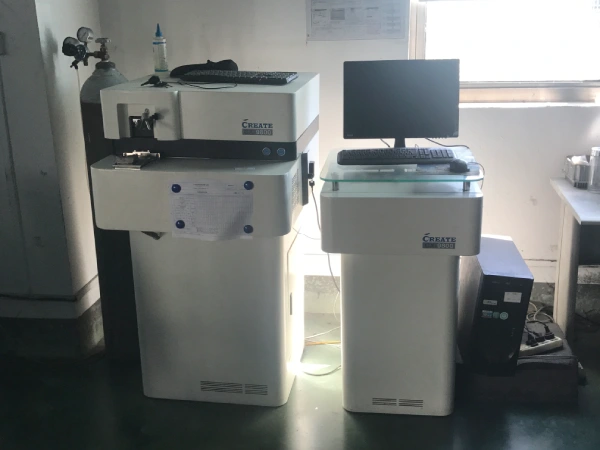
Marine projects may need to consider pitting, crevice corrosion, dealloying, erosion-corrosion, cavitation and galvanic interaction. Chemistry variation, shrinkage, porosity, inclusions, distortion and insufficient machining allowance can also affect the final part.
Provide the service zone, temperature, fluid, flow, pressure or load, mating materials, cathodic-protection context and applicable customer or classification rule reference. Identify critical zones, inspection coverage, sampling, acceptance levels and any third-party witnessing.
Components
Marine Hardware and Equipment Components We Can Review
Drawing-based component families—not a finished boat-parts catalogue or automatic capability promise.
01
Deck, Mooring & Hull Hardware
Cleat-, chock-, fairlead-, bollard- and fitting-type castings reviewed for load, drainage, crevice risk, finish and mounting.
02
Valve, Pump & Flow Components
Bodies, housings, covers and impeller-related parts with defined pressure, sealing, machining and NDT zones.
03
Structural & Steering Components
Housings, brackets, supports and mounts reviewed against load, fatigue, corrosion allowance and datums.
04
Propeller-Related Components
Reviewed only when alloy, geometry, machining, balancing, inspection and acceptance are clearly specified.
MATERIALAUSWAHL
Materials for Corrosion-Resistant Marine Castings
“Marine grade” is not one universal alloy. Confirm the exact grade, standard, condition, tests and certificate format.
Aluminum & Nickel-Aluminum Bronze
Considered for specified seawater pump, valve, hardware and propeller-related applications. ASTM B148 is a material specification for aluminum-bronze sand castings—not a general marine certification.
316/316L Stainless Steel
Reviewed where the customer specification supports the cast grade, chloride environment, machining and corrosion requirements.
Duplex & Other Specified Alloys
Applicable grade and casting standard depend on pitting/crevice resistance, strength, Wärmebehandlung, testing and service.
Prozessauswahl
Selecting a Casting Process for Marine Components
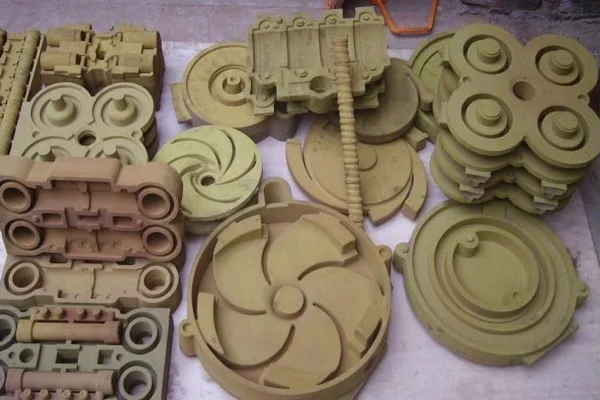
Sand Casting for Larger Bronze and Marine Hardware
Flexible tooling for larger parts and lower-to-medium volumes.
- Larger hardware, housings and bronze parts
- Flexible patterns and cores
- Machining allowance planned from the drawing
- Inspection zones agreed before tooling
Smaller stainless or bronze components with closer detail.
- Complex geometry and smaller envelopes
- Closer as-cast features
- Potentially reduced machining
- Alloy and evidence defined by project
Engineering before tooling
Engineering Review for Corrosion-Critical Marine Castings
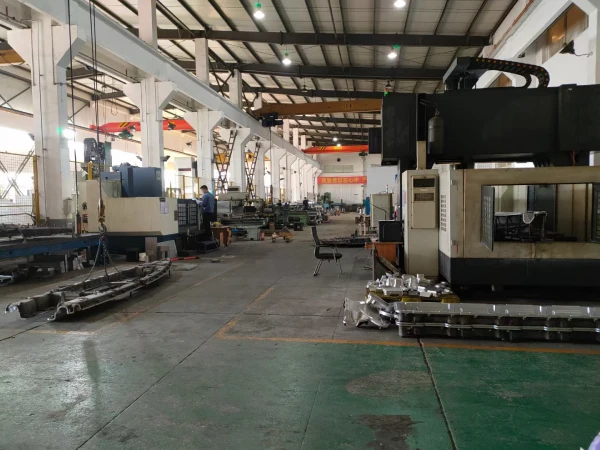
Supro reviews wall transitions, isolated heavy sections, hot spots, draft, radii, core support, feeding direction, machining stock and the relationship between casting and final datums.
For corrosion-critical parts, the review also considers drainage, crevice-prone gaps, inaccessible surfaces, dissimilar-metal interfaces, coating/passivation access, erosion or cavitation zones, pressure boundaries, sealing faces and NDT coverage.
Recommendations are returned for customer approval. Design intent, alloy and acceptance criteria are not changed without written agreement.
Machining and finishing
CNC Machining and Finishing for Marine Cast Components
Machining can be reviewed for flange faces, bores, sealing surfaces, threads, mounting pads, bolt patterns and fit features. Casting allowance, fixturing, datums and final inspection are considered together.
Cleaning, blasting, polishing, passivation, coating, marking and transport protection can be discussed when compatible with the alloy and service. Salt-fog exposure under an agreed method may compare coating or surface protection; it is not a stand-alone prediction of seawater service life.
Evidence and documentation
Quality, Traceability and Marine Project Documentation
Class rules and standards are project inputs—not blanket claims.
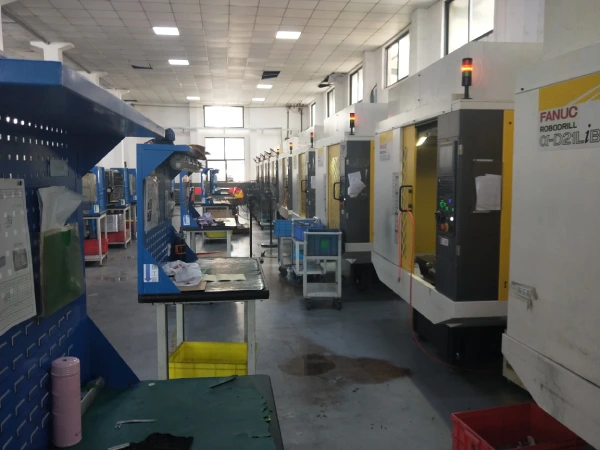
A project control plan may include material verification, melt chemistry, heat traceability, visual/dimensional inspection, CMM, mechanical or hardness testing and specified PT, MT, UT or RT. Method, coverage, frequency and acceptance must be defined.
ASTM B148 or relevant stainless/duplex casting specifications may apply to the ordered grade. ABS, DNV, Lloyd’s Register, RINA or other classification rules may add approval, witnessing and certificate requirements. These references do not imply that every Supro casting is class-approved.
For a class-related project, send the rule reference, material grade, certification level, hold points, third-party witnessing and document format before quotation.
Evidence boundary: Do not add a class badge, salt-spray capability statement or approval claim until a current certificate/report and exact scope are available.
Controlled workflow
From Drawing Review to Controlled Production
01
Prüfung der Angebotsanfrage
Drawing, alloy, quantity, service and evidence requirements.
02
Technische Klarstellung
Corrosion, class rules, process, pressure and inspection zones.
03
Quotation
Tooling, samples, casting, machining, finishing and reports.
04
Werkzeuge und Muster
Validate against approved drawing and sample plan.
05
Produktionssteuerung
Maintain melt, molding, machining and inspection traceability.
06
Endabnahme
Verify parts, records, marking and transport protection.
A kontrollierter OEM-Ventilguss Ein Projekt durchläuft in der Regel die folgenden Phasen:
- Prüfung der Angebotsanfrage: Zeichnung, 3D-Modell, Werkstoff, Menge, Bearbeitungsumfang, Prüfanforderungen und Bestimmungsort werden überprüft.
- Technische Klärung: Das Ingenieurteam ermittelt offene Fragen zu Verfahren, Werkzeugen, Kernen, Wärmebehandlung, Bearbeitung und Dokumentation.
- Angebot und Fertigungsplan: Der Vorschlag unterscheidet zwischen Werkzeugen, Mustern, Serienteilen, Bearbeitung, Endbearbeitung, Prüfung und Logistik.
- Werkzeugbau und Musterprüfung: Es werden Muster, Matrizen oder Wachsmodelle angefertigt, und die Musterteile werden anhand der genehmigten Zeichnung geprüft.
- Fertigungskontrolle: Die Aufzeichnungen zu Schmelz-, Form-, Gieß-, Reinigungs-, Wärmebehandlungs-, Bearbeitungs- und Prüfvorgängen werden gemäß dem vereinbarten Plan geführt.
- Endkontrolle und Verpackung: Die Teile werden geprüft, je nach Bedarf vor Transportschäden und Korrosion geschützt und für die vereinbarte Versandart verpackt.
Auf dieser Seite werden weder Produktionsfristen noch Mindestbestellmengen oder allgemeine Toleranzen angegeben, da diese Werte vom gewählten Verfahren, der Legierung, den Werkzeugen, der Bauteilgröße, dem Prüfumfang und der Bestellmenge abhängen.
WARUM SUPRO MFG
Why Source Marine Casting from Supro MFG
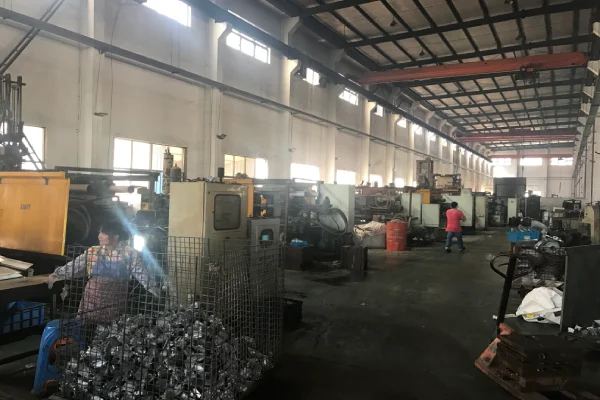
Die Supro Metal Casting Foundry ist Chinas führender Metallgießereibetrieb Gussteile Als 1997 gegründeter Hersteller, der seine Gusstechnologie kontinuierlich weiterentwickelt und seine Gussanlagen durch moderne Anlagen ersetzt, haben wir uns zu einem branchenführenden Gussunternehmen entwickelt, das eine Fläche von 8.800 Quadratmetern umfasst und über drei Gusswerkstätten sowie eine Werkstatt für präzise CNC-Bearbeitung und Oberflächenbeschichtung verfügt. Wir beschäftigen 120 technische Mitarbeiter, 18 Qualitätsingenieure und 17 Führungskräfte im Kern des Unternehmens. Wir bieten stabile Metallguss Teileversorgungsprojekte für mehr als 3.800 Einkaufsunternehmen aus China und der ganzen Welt.
Wir sind auf Metallgussteile mit vielfältigen, komplexen Strukturen spezialisiert und nutzen unser umfassendes Wissen über Gusswerkstoffe sowie unsere langjährige Erfahrung im Gussbereich, um hochwertige Produkte zu liefern. Gussteile Teile dank professioneller Gussverfahren pünktlich an die Kunden zu liefern.
Whether rapid casting prototype Für Großserienfertigungen bieten wir umfassende Gussdienstleistungen an, darunter: Produktdesign und -optimierung, Formkonstruktion und -fertigung, Metallgussverfahren, Qualitätskontrolle, präzise CNC-Bearbeitung, Material- und Eigenschaftsprüfungen, Oberflächenbeschichtung sowie Metallgussdienstleistungen aus einer Hand, wie beispielsweise Verpackung und Transport.
EINE SINNVOLLE ANFRAGE ERSTELLEN
What to Send for a Marine Casting Quotation
A complete RFQ reduces alloy, tooling, inspection and documentation assumptions.
| Angaben zur Angebotsanfrage | Was sollte enthalten sein? | Warum das wichtig ist |
|---|---|---|
| Drawing & model | Controlled PDF, DWG or DXF drawing, plus STEP, STP or IGES model when available | Defines the correct revision, geometry, tolerances and technical notes |
| Material | Required alloy grade, standard, permitted equivalents, heat treatment and certificate format | Controls casting route, testing, traceability and project cost |
| Service environment | Immersion, splash or deck zone; fluid, temperature, flow, pressure or load; mating metals and cathodic-protection context | Sets the corrosion, material-selection and inspection context |
| Anzahl | Prototype quantity, batch quantity, annual forecast and expected program duration | Drives tooling, casting process and validation planning |
| Machining & finishing | Datums, finished dimensions, CTQ features, surface finish, coating or passivation, marking and preservation | Connects the as-cast allowance to final machining and inspection |
| Qualitativ fundierte Erkenntnisse | Material certificates, dimensional or CMM reports, mechanical tests, NDT, class-rule reference, witnessing and submission level | Defines the required documentation package before pricing |
| Logistics | Transport protection, packaging, destination and Incoterm | Affects the final supply scope and delivery cost |
PURCHASING QUESTIONS
Marine Casting FAQ
What marine components can be reviewed for casting?
Drawing-based enquiries may include deck and mooring hardware, valve and pump bodies, hull fittings, structural supports, steering housings and propeller-related components. Feasibility depends on alloy, geometry, size, wall thickness, load, corrosion conditions, machining, quantity and evidence requirements.
Which materials are commonly considered for marine castings?
Common options include specified aluminum-bronze or nickel-aluminum-bronze grades, 316/316L cast equivalents, duplex stainless and other alloys selected for the service. The exact grade, standard, heat treatment, tests and permitted equivalents must be confirmed from the drawing and purchase specification.
How do I choose between bronze and stainless steel for a marine component?
The choice depends on seawater exposure, flow and cavitation, pitting or crevice risk, galvanic contact, strength, machining, joining and the applicable standard. Bronze and stainless are not universal substitutes. Selection should follow the service condition and the customer-approved material specification.
When should sand casting or investment casting be used?
What information is needed for a project involving ABS, DNV or Lloyd’s Register requirements?
Send the applicable rule reference, material grade, certification level, inspection hold points, third-party witnessing requirements and documentation format. Supro will review whether the requested manufacturing and inspection scope can be supported before quotation. No classification approval is implied without a current certificate or project-specific acceptance.
Can salt-fog or corrosion-related testing be discussed?
Yes, when a project specification defines the method, specimen, exposure period and acceptance criteria. Salt-fog exposure can support coating or surface-protection comparison, but it should not be treated as a stand-alone prediction of long-term seawater service life.
Can CNC machining and finishing be included?
Machining can be reviewed for flange faces, bores, sealing surfaces, threads, mounting pads and other functional features. Cleaning, blasting, polishing, passivation, coating, marking and transport protection can be discussed when compatible with the alloy and service requirement.
What inspection documents can be supplied?
The agreed package may include material certificates, chemistry results, dimensional or CMM reports, mechanical or hardness results, heat-treatment records, specified NDT reports and traceability records. Format, frequency, acceptance criteria and third-party witnessing must be defined before quotation.
Can prototype and low-volume marine casting projects be reviewed?
Prototype, sample and repeat-production routes can be reviewed. Tooling and process selection depend on alloy, part size, geometry, quantity, inspection and validation requirements, so no universal MOQ or lead time is stated.
Welche Zeichnungsdateien soll ich schicken?
Send a controlled PDF, DWG or DXF drawing and a STEP, STP or IGES model when available. Include revision, alloy standard, service environment, critical dimensions, machining notes, inspection zones, documentation requirements and quantity.
How is a marine casting quotation prepared?
Pricing is based on alloy, casting process, tooling, weight, quantity, machining, heat treatment, finishing, testing, documentation, packaging, destination and any third-party requirements. A generic price per kilogram is not reliable until these variables are reviewed.
START WITH THE DRAWING
Request a Marine Casting Review
Send your controlled drawing, 3D model, material specification, service environment, quantity, machining scope and inspection/documentation requirements. Supro MFG will review the manufacturing route and clarify open engineering questions before preparing a project-based quotation.
 English
 Français
 Deutsch
 Italiano
 日本語
日本語 한국어
한국어 Polski
 Português de Angola
 Русский
 Español de Argentina