
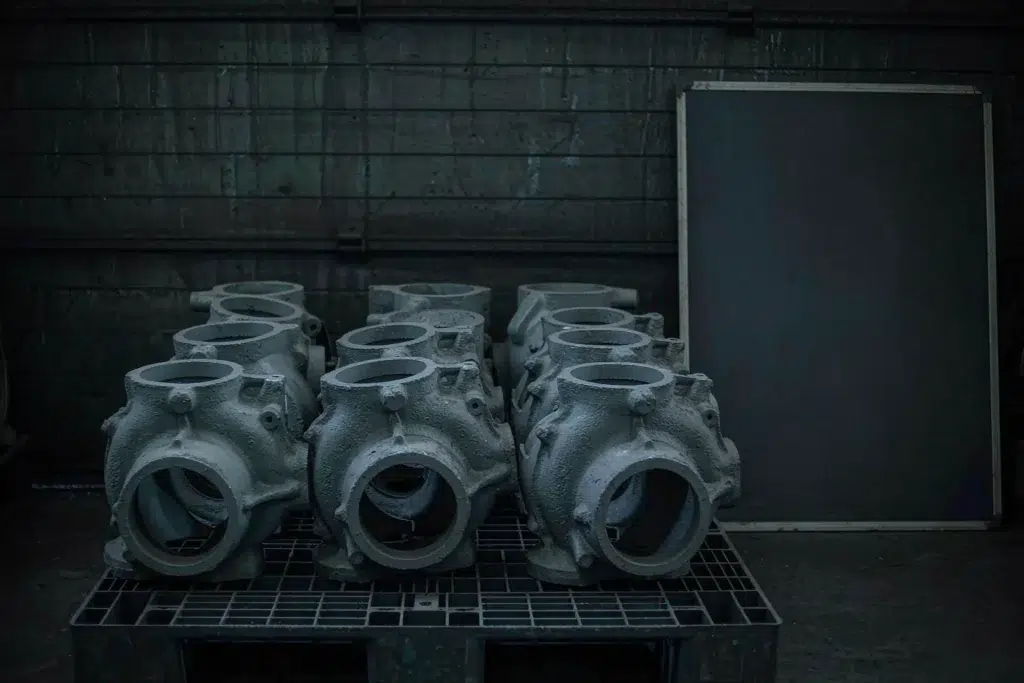
Every foundry has busy months. When a molding line runs at 90% utilization, the buyer without a contract waits three to six weeks while the buyer with a reserved slot ships on schedule. Casting capacity reservation converts that difference from luck into contract: a reserved block of furnace tons, molding line slots and machining hours that your parts occupy before the spot market does.
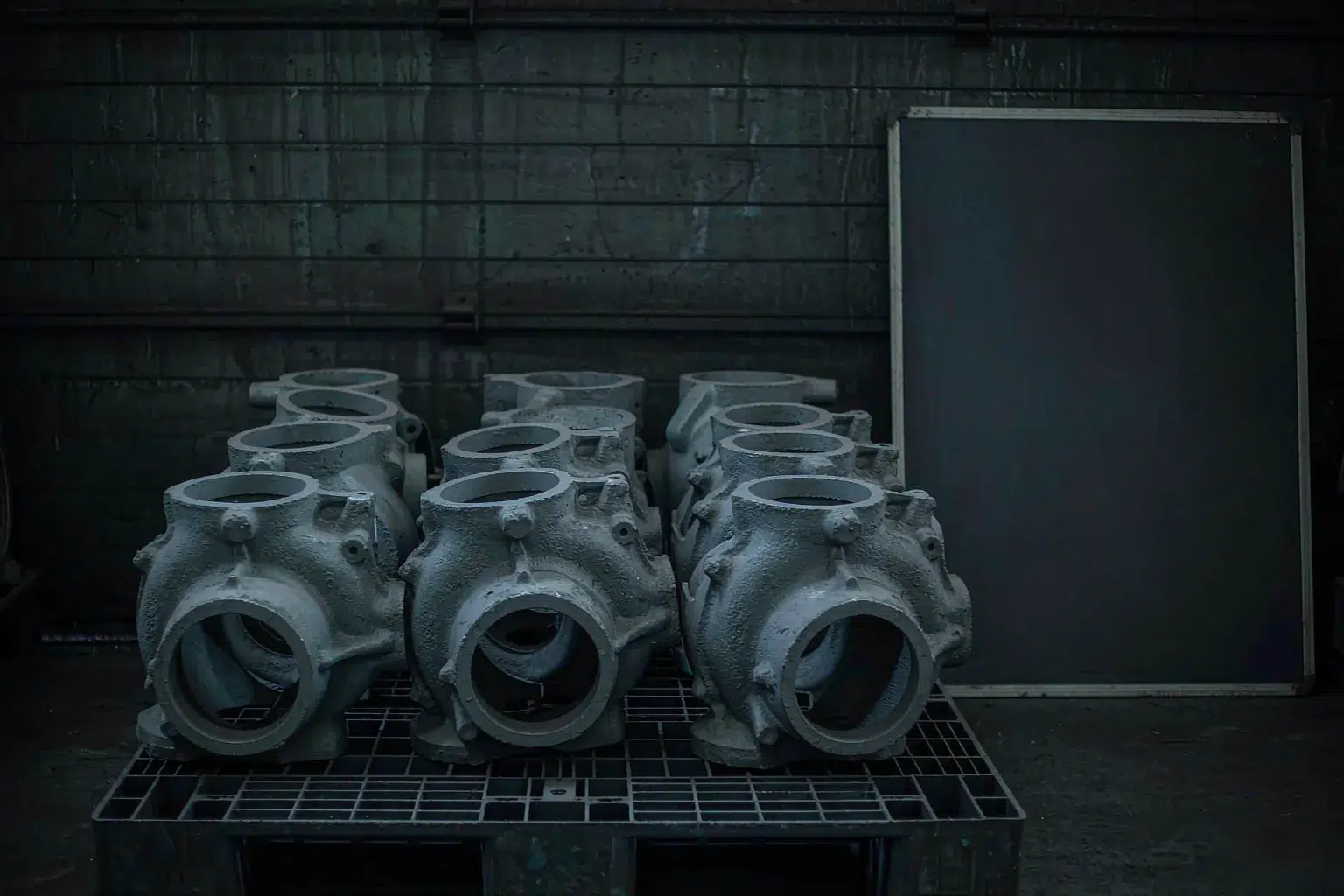
That wait is not bad luck; it is queueing. This article explains what casting capacity reservation actually buys, how foundries plan melt, mold and machine capacity, and what an annual framework agreement must contain to be enforceable. All cost models use one baseline part — an 18 kg ductile iron pump housing at $34.50 FOB, 2,400 pieces per year, roughly 46 castings per week — so every number can be checked against your own part. Industry context draws on NADCA guidelines and the contract structures published by the ICC.
What Casting Capacity Reservation Actually Buys
Casting capacity reservation is a contractual agreement that fixes a slice of a foundry’s constrained weekly output for your parts before the open market can take it. It is not inventory, not a purchase order, and not a blanket PO. It is scheduled production capability: furnace tons, molding line slots and machining cell hours with your part number written into next week’s plan whether or not you release an order that week.
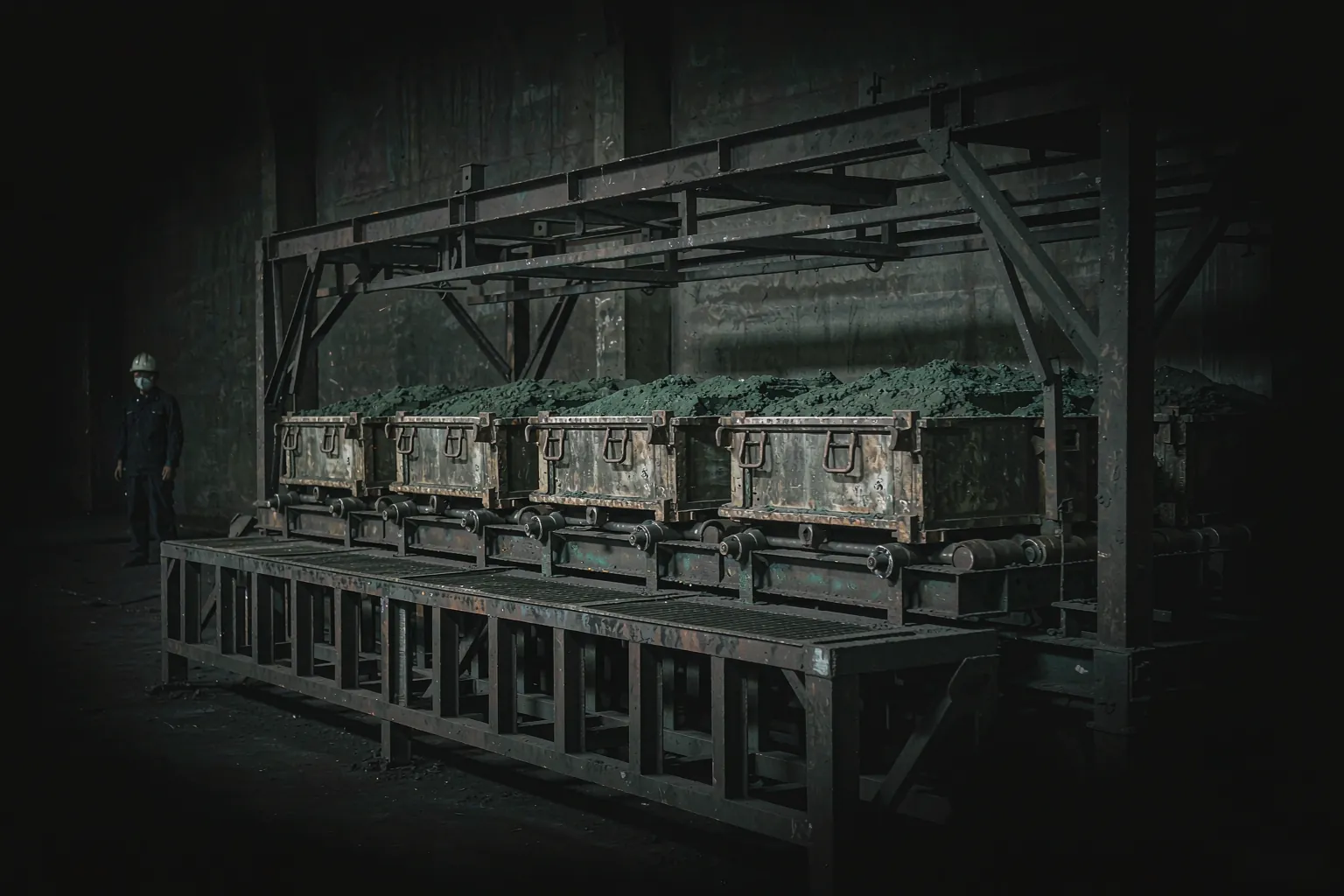
Foundries sell it for a simple reason. A Sandguss line that molds 90 flasks a day serves dozens of part numbers, and the week is fully booked weeks in advance. If a buyer disappears for two months and returns expecting instant slots, the foundry must either bump someone else or idle a block it could have sold. Reservation converts that uncertainty into a paid product — and gives the buyer a casting lead time position that does not blow up in peak season.
Three resources get reserved, and they are not interchangeable:
| Scarce resource | Unit of capacity | Typical constraint | What reserving it guarantees |
|---|---|---|---|
| Melt (induction furnace) | Tons per week | Heats sized to alloy and lot; chemical changeover costs a full heat | Metal of your grade is melted on your release days, not when the furnace happens to be free |
| Molding line (flasks/hour) | Molds or flasks per week | One part per flask for most sand castings; pattern changeover takes hours | Your pattern is scheduled into the line before spot orders queue |
| Machining cell | Machine-hours per week | Fixtures, CMM slots and setup time shared across customers | Rough castings flow to finishing inside the guaranteed window, avoiding the bottleneck that often dominates casting lead time |
Buyers who already hold deep safety stock or run a qualified second supplier need less of this — casting dual sourcing covers the second-supplier route, and this article covers the contractual route. The two are complements, not substitutes: dual sourcing protects against a foundry failure, while casting capacity reservation protects against a market squeeze inside a healthy foundry.
How Foundries Plan Capacity: Melt, Molds and Machine Hours
A jobbing foundry builds its week from firm releases, then forecasts, then spot orders. The baseline part above consumes 78.5 t of melted metal per year at a 55% yield, about 1.6 t per week of melting — trivial next to a 1.5 t/hour furnace, but only if the heats are scheduled. On the molding side the part needs about 48 flasks per week out of a line that molds 90 per day. On paper the foundry has room; in practice the line also serves eleven other part numbers, and every pattern changeover costs hours that foundry automation investment only partly compresses.
The economics of the queue are unforgiving. If a line runs at 70% utilization, the average backlog is about 1.6 flasks deep and a rush order waits a day or two. Push utilization to 90% and the same queueing math gives a backlog roughly 5 times longer — this is why “we have capacity, just wait three weeks” and “we are 90% booked” are the same sentence. A reserved block — the core of casting capacity reservation — is the only mechanism that takes your flasks out of that queue, because they are committed before the week opens.
Why capacity, not price, is scarce at peak
This is also why capacity, not price, is the scarce commodity at peak. A foundry quoting spot in October does not charge more because metal costs more; it charges more because the queue is long and someone without a contract is willing to pay to jump it. Buyers who understand this negotiate casting capacity reservation before the rush, not during it — the same seasonal logic that drives minimum order quantities and tooling amortization decisions.
Anatomy of an Annual Framework Agreement for Castings
A workable annual framework agreement — the document that delivers casting capacity reservation — is five to eight pages long — but every element below must exist in writing, because each one is a failure mode seen repeatedly in disputes:
| Element | What it must say | Why the buyer cares |
|---|---|---|
| Forecast and volume band | Annual forecast, monthly releases, and the ±% band within which price holds | Releases above the band are re-quoted at peak spot; the band is where the discount lives |
| Price basis | Fixed price, indexed price, or hybrid; validity and trigger bands | Indexation passes metal cost through without renegotiation drama |
| Reserved block | Molds per week or machine-hours per week held for your parts | This is the {K} itself; without a number it is a promise, not capacity |
| Release mechanics | Firm window (e.g. 4 weeks) plus rolling 12-week forecast | Foundry plans melt and line; buyer keeps flexibility inside the band |
| Quality gates | FAI at start, re-FAI after long gaps, PPAP-level documentation | A restart after 6 idle months without re-FAI is the classic restart defect trap |
| Tooling and storage | Ownership, storage location, readiness checks, refurbishment triggers | Idle tooling degrades; storage fees and access rights belong in the same contract |
The pricing element deserves emphasis. A 12-month fixed price with no index clause transfers all metal risk to the foundry, which quietly reprices it into a higher base; a fully indexed price transfers it to you. The hybrid that works in practice is a fixed conversion cost (labor, line, energy) plus a metal surcharge on net weight indexed to published ingot prices — the structure detailed in our casting price adjustment clauses guide. Quality gates and acceptance criteria should be lifted directly from your quality agreement und first article inspection documents so the framework agreement references one quality system instead of inventing a second one.
None of this replaces a clean casting RFQ. The framework agreement is the output of an RFQ that already fixed the part, the process and the tolerances; it adds only volume, scheduling and price mechanics on top.
Casting Capacity Reservation Cost Models and the Real Math
Foundries price casting capacity reservation in four shapes. They are not equivalent, and the wrong shape for your demand profile converts a hedge into a liability.
| Model | How the foundry charges | Best fit |
|---|---|---|
| Retainer block | Monthly fee for a fixed molds/week or hours/week block; fee not credited against parts | Steady demand, buyer wants scheduling priority without volume commitment |
| Credited retainer | Monthly fee, 100% credited against invoiced parts once volume exceeds a threshold | Growth programs; foundry recovers the fee inside the volume |
| Take-or-pay | No fee; buyer guarantees a billing floor (typically 80% of forecast) at contract price | High-confidence annual volume; strongest unit-price discount |
| Volume-band pricing | No fee; price ladder with break points (e.g. 2,000 / 2,400 / 3,000 pcs) | Price-sensitive buyers with flexible scheduling who accept queue risk |
Retainer versus the spot alternative
Run the retainer against the alternative. Suppose the baseline part goes unreserved and a peak-season squeeze hits: 400 pieces must be bought at an 18% spot premium ($6.21 per piece = $2,484), plus one emergency air shipment of 1,350 kg at $5.50/kg instead of $200 ocean freight ($7,225). Total exposure: $9,709. A retainer of $5,400 per year for a 60-flask-per-week block breaks even when the annual probability of that squeeze exceeds 55.6%. If your category has squeezed even once in the last two years — and most foundry-heavy categories have — the retainer is already priced like insurance bought after the fire.
Volume-band pricing is the seductive zero-fee cousin of casting capacity reservation, but read the ladder honestly. At $36.80 / $34.50 / $32.90 for 2,000 / 2,400 / 3,000 pieces, the band buyer at 2,400 units pays nothing visible — and gives up scheduling priority entirely. When the queue is 5× deeper at peak, the expected cost of that queue is exactly what the retainer buyer paid to avoid; total cost of ownership accounting that leaves scheduling risk off the sheet systematically flatters the cheapest quote.
Flex Bands, Take-or-Pay and Downside Risk
The take-or-pay floor is where buyers either get paid for their discipline or punished for their optimism. On the baseline part, an 80% floor means billing for 1,920 pieces minimum at $34.50; the release band is 1,920–2,880 pieces at contract price, with volumes above the band re-quoted. If demand drops 25% to 1,800 pieces, the unused 120 pieces cost $4,140 — the price of the discount you took on the other 1,800.
| Demand scenario | Retainer block (${retainer:,.0f}/yr) | Take-or-pay 80% floor |
|---|---|---|
| Demand −25% (1,800 pcs) | Fee sunk, no volume penalty | Pay for 120 unused pieces: $4,140 |
| Demand on plan (2,400 pcs) | Fee is the only overhead; contract price held all year | Zero penalty; deepest unit discount |
| Demand +30% (3,120 pcs) | Band exceeded; excess at quoted surge rate (cap it, see clause 7) | Above band; re-quote at spot unless surge cap negotiated |
Two structural safeguards keep the take-or-pay side of casting capacity reservation honest. First, a quarterly true-up instead of annual: unused floor volume converts to credit toward next quarter rather than cash, so a soft Q1 does not write off the year. Second, the floor should be defined on billing, not delivery — otherwise a foundry that ships late converts your floor into a double penalty. Both are standard commercial terms; neither appears unless the buyer asks, and both belong next to the payment terms milestones in the same contract family.
When Casting Capacity Reservation Is a Bad Deal
Not every part justifies casting capacity reservation. Three patterns argue against it:
- Commodity, low-value parts. A gray iron counterweight with dozens of alternative suppliers has no capacity risk worth insuring; spot plus two qualified alternates beats any retainer.
- Already-deep inventory. If you hold 12 weeks of safety stock, a queue delay is absorbed silently. Reservation is for the weeks you cannot buffer — machining-bound parts where the casting is the pacing item for a CNC-Bearbeitung cell.
- Hard seasonal shapes. Five months of demand followed by seven months of silence does not fit an annual block; the foundry cannot hold line capacity it cannot resell.
Seasonal parts get a seasonal answer. A 4,800-piece bracket concentrated in 20 production weeks needs 240 flasks per week for one season. The workable structure is a five-month seasonal retainer ($450 × 5 = $2,250, about $0.47 per piece — 1.2% of unit price) with the block reverting to the foundry’s open market in the off-season, tooling moving to paid storage, and a re-first article inspection checkpoint before each season restarts. The off-season gap is the restart defect window; the agreement should pay for the checkpoint, not argue about it in April.
One more boundary: casting capacity reservation does not hedge price, it hedges schedule. If your exposure is metal cost, the indexed surcharge clause is the instrument; if your exposure is a foundry failure, it is dual sourcing. Buying schedule insurance against a price risk wastes the premium in both directions — the risk-map step in a casting supplier audit is where that diagnosis belongs.
Nine Clauses That Make the Agreement Enforceable
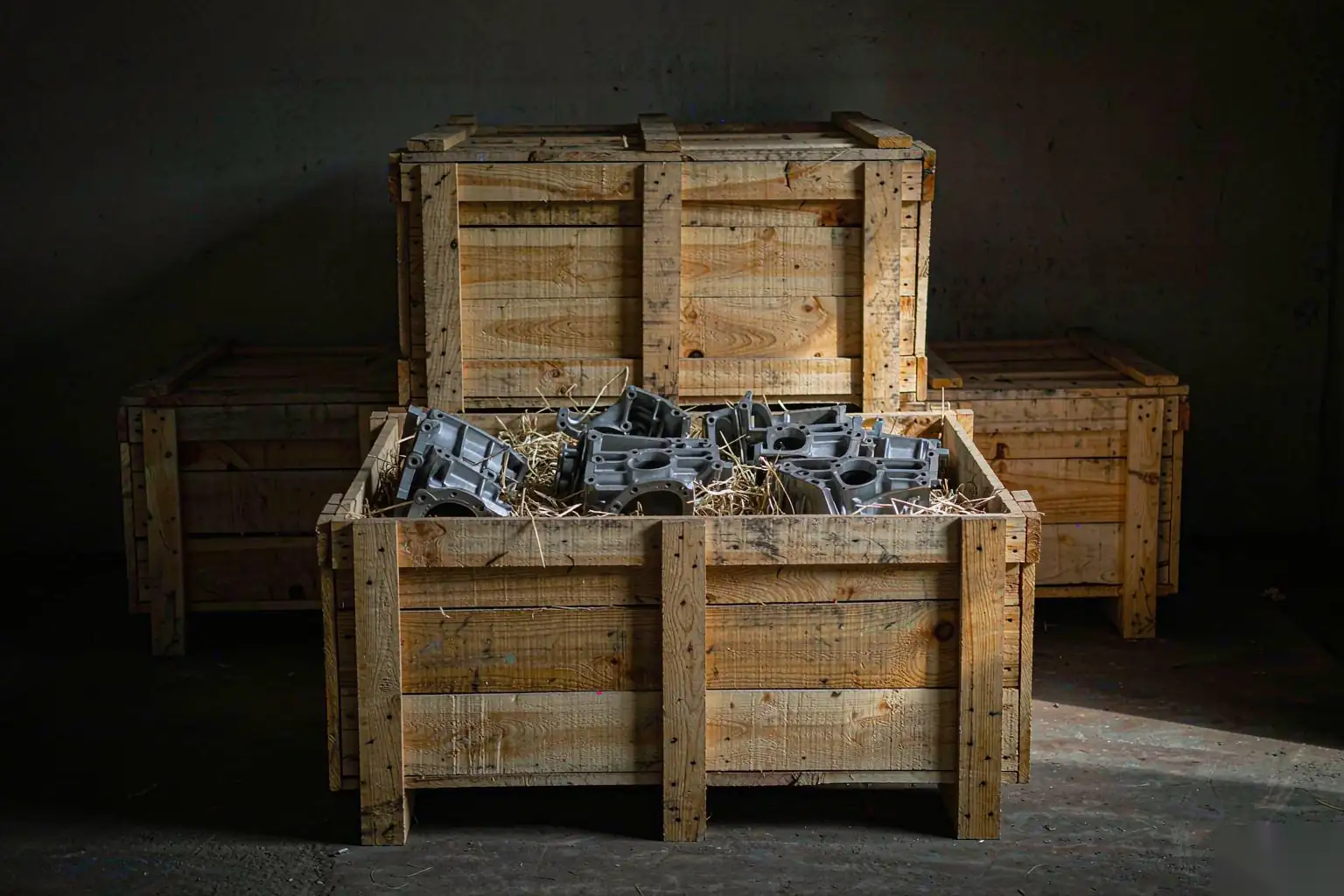
A handshake about “priority” is worthless the week a bigger customer calls. These nine clauses are what make casting capacity reservation enforceable in practice — use them as a checklist against any draft the foundry sends:
- Reserved block definition. State the number: molds per week, machine-hours per week, or furnace tons. No number, no reservation.
- Release mechanics. Firm orders 4 weeks out; rolling 12-week forecast updated monthly; forecast inside the band is planning data, not commitment.
- Flex band and band-edge pricing. ±20% releases at contract price; state the mechanism (not just the possibility) for quoting volumes above the band.
- Take-or-pay floor and true-up. Billing floor, quarterly true-up in credit, floor on billing not delivery.
- Price basis and validity. Fixed conversion cost plus indexed metal surcharge; 12-month validity with defined trigger bands.
- Lead-time guarantee. Reserved releases ship within a stated window of release (e.g. 15 working days) or the foundry funds expedite freight. This single clause converts scheduling into money.
- Surge cap. Volumes above the band are priced at spot, capped at contract price + a stated percentage — the 18% open-ended premium is what this clause deletes.
- Tooling storage and readiness. Ownership stays with the buyer; storage fee stated; readiness check and refurbishment triggers defined, with costs allocated as in the casting tooling cost structure.
- Termination and wind-down. 90-day notice; final release honored at contract price; tooling returned within 15 days of final payment; no hostage clauses.
Attach the part-specific documents rather than restating them: the approved drawing, the acceptance criteria from your quality agreement, and the iron casting solutions process specification. The framework agreement should reference one revision of each; a contract that silently points at an outdated revision is how good agreements drift into disputes. Before the contract stage, the metal casting guide covers the process and specification basics the agreement assumes.
Häufig gestellte Fragen
Is casting capacity reservation the same as a blanket purchase order?
No. A blanket PO commits volume and price but no schedule; casting capacity reservation commits schedule and capacity. The strongest agreements combine both — blanket pricing on top of a reserved molding block — but they answer different questions and are negotiated separately.
How much does a reserved block typically cost?
Retainers run $300–$900 per month for a small sand casting block, scaling with the size of the block and the scarcity of the process. The baseline model above uses $450/month for 60 flasks per week — about $0.10 per casting at the model volume, against a $6.21 spot premium and $7,225 expedite exposure.
Can a reserved block work for investment castings?
Yes, but the unit changes. Feinguss capacity is reserved in shell-building and dewax batch slots plus wax press hours, not flasks. The economics are identical; only the unit of scarcity changes, and the same nine clauses apply.
What happens if the foundry oversells the reserved block?
This is why clause 6 exists. If your release ships late because the block was double-sold, the lead-time guarantee makes the foundry fund expedite freight or credit the retainer. Without that clause, an oversold block costs you the queue wait you paid to avoid.
Does a reserved block make sense for Druckguss parts?
Usually yes, and earlier than for sand castings: die capacity is sold in machine-hours against a fixed tool, and a reserved window is the only way to guarantee weekly releases between larger automotive-style campaigns.
*Cost models reference NADCA and ICC contract practice and Supro MFG shop-floor scheduling records.
 English
 Français
 Deutsch
 Italiano
 日本語
 한국어
 Polski
 Português de Angola
 Русский
 Español de Argentina