
Custom Metal casting parts heat treatment services
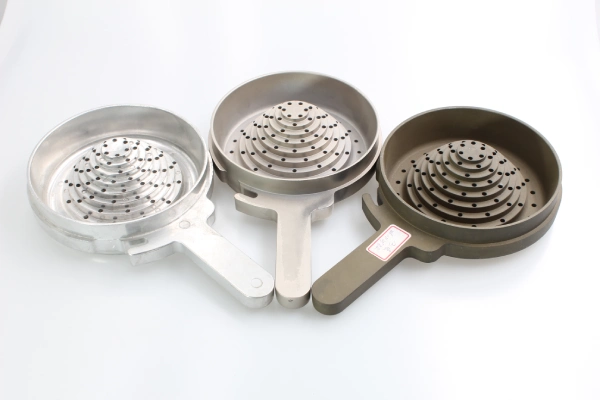
metal casting Heat treatment is a critical process that optimizes internal structure and properties through precise control of heating and cooling. Its core purpose is to eliminate casting defects, enhance overall performance, and meet final application requirements.
Stainless Steel: The primary objectives are to optimize corrosion resistance (e.g., solution treatment) and adjust strength/hardness (e.g., quenching and tempering for martensitic steels).
Aluminum Alloys: The core is significantly enhancing strength and hardness through solution treatment followed by aging (e.g., T6).
Zinc Alloys: The key is low-temperature stabilization treatment to stabilize dimensions and prevent deformation during natural storage.
Carbon Steel/Low-Alloy Steel: Normalizing, annealing, and quenching and tempering (Q&T) are used to refine grain size, relieve stress, and achieve an excellent combination of strength and toughness.
Copper Alloys: Primarily used for stress relief and softening to facilitate machining, or through solution treatment and aging to enhance strength and elasticity.
Heat treatment is the critical process for unlocking the potential of castings, ensuring their reliability, and expanding their application scope. Fundamentally, this process transforms cast blanks into reliable, dimensionally stable functional components—an indispensable industrial method for ensuring product quality and expanding application scope.
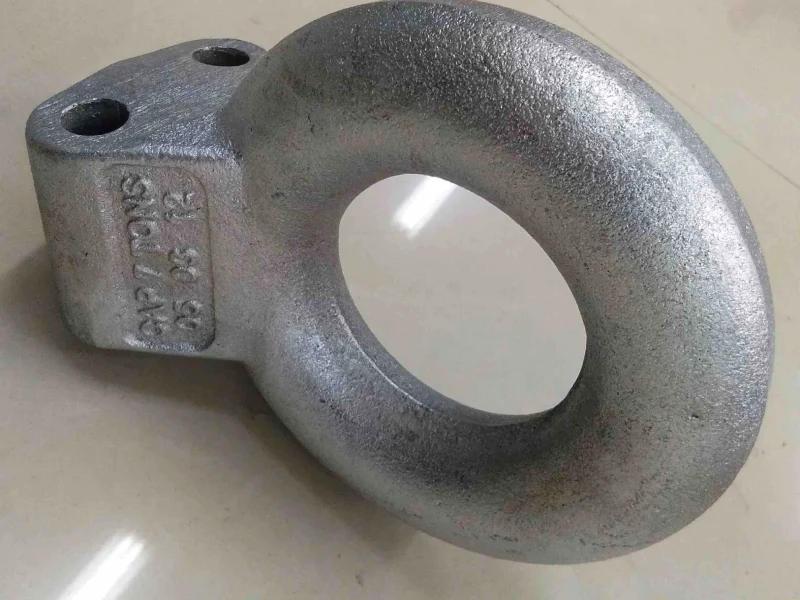
Stress-relief annealing
Sandblasting serves as the critical first step in removing heat treatment scale, casting black skin, and weld slag. It provides a uniform substrate for subsequent acid pickling and passivation, ensuring the quality of the passivation film. Common abrasives include brown fused alumina or stainless steel shot.
Sandblasting is the standard pretreatment for eliminating release agent residues, oxide layers, and minor burrs while achieving a uniform matte finish.
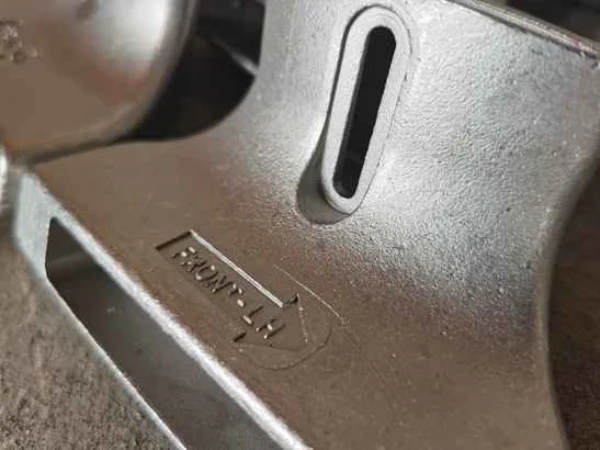
Full Annealing
Shot blasting is a core post-processing technique for metal castings. Its primary functions include: thoroughly removing mold sand, scale, and impurities from casting surfaces; critical strengthening by creating a residual compressive stress layer through high-velocity shot impact, significantly enhancing fatigue strength and stress corrosion resistance; and surface preparation by eliminating burrs and flash to achieve a uniform, consistent matte finish that provides excellent adhesion for subsequent coating or plating. Combining cleaning, strengthening, and preparation into one process, it is a critical step for enhancing the intrinsic quality, reliability, and appearance of castings.
Homogenizing
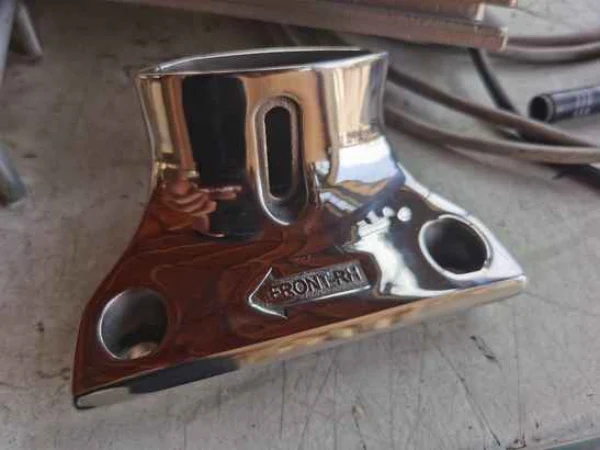
Mirror polishing represents the highest level of surface finishing for metal castings. Its core function lies in achieving an exceptionally smooth, highly reflective mirror surface, significantly enhancing the product's visual texture, gloss, and luxurious feel. This process meets the demands of high-end decoration and applications with stringent aesthetic requirements (such as crafts, premium bathroom fixtures, and precision components). Additionally, the ultra-low surface roughness reduces friction resistance, facilitates cleaning, and enhances stain resistance.
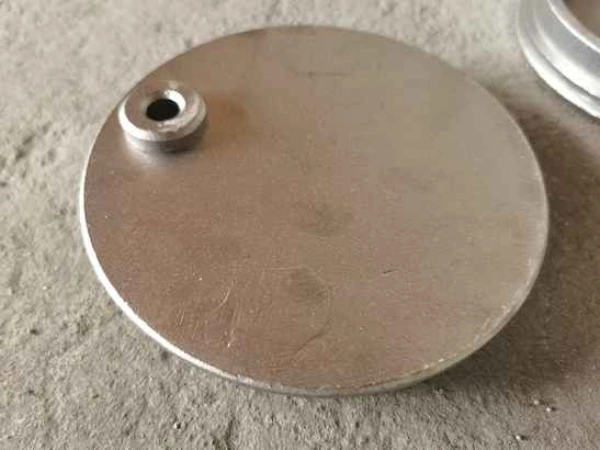
Normalizing
Brushed polishing is a decorative process that creates fine, unidirectional textures on the surface of metal castings. Its core function is to form a unique matte, thread-like texture that effectively enhances the appearance and conceals minor casting imperfections. Additionally, brushed surfaces offer improved wear and scratch resistance while resisting fingerprint marks, combining both decorative appeal and practical functionality.
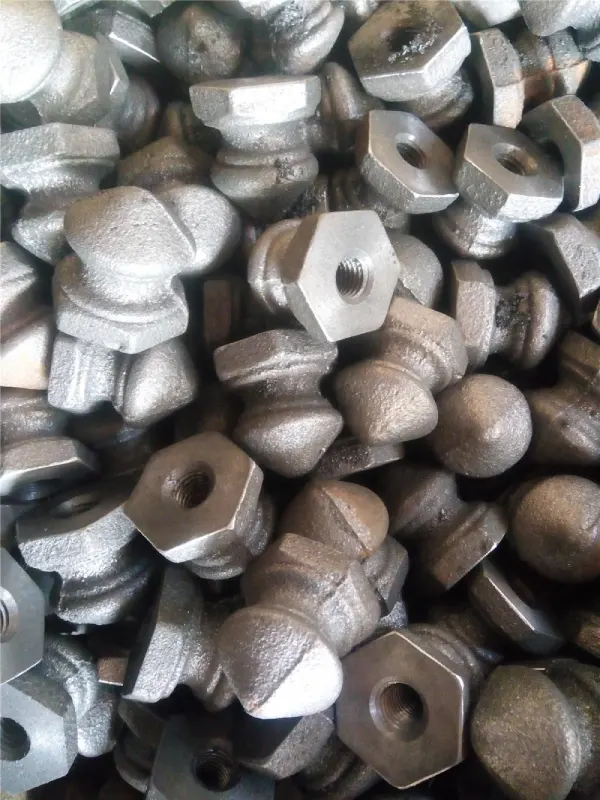
Quenching and Tempering
Vibratory polishing finishing achieves gentle, batch-processed surface finishing by inducing continuous friction between abrasives and castings through vibration. Its core function is to efficiently remove burrs and round off sharp edges while creating a uniform, fine matte surface, significantly enhancing part tactility and safety. This process is particularly suited for treating small castings with complex structures, delivering consistent finishing results while maintaining dimensional accuracy.
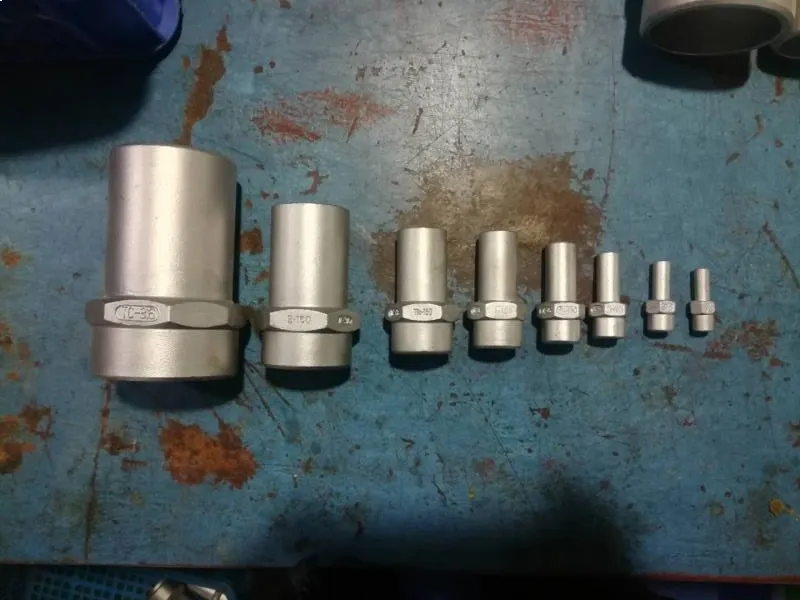
Isothermal Quenching
Pickling and passivation are a combined chemical surface treatment process for stainless steel castings.
Acid pickling dissolves surface scale, rust, and impurities using acid solutions to clean the substrate and expose fresh metal. Passivation, performed after acid pickling, employs an oxidizing medium to form a dense, uniform chromium-rich passivation film on the surface.
Together, these processes aim to fully restore and significantly enhance the inherent corrosion resistance of stainless steel castings, serving as a critical process for ensuring their long-term stable service life.
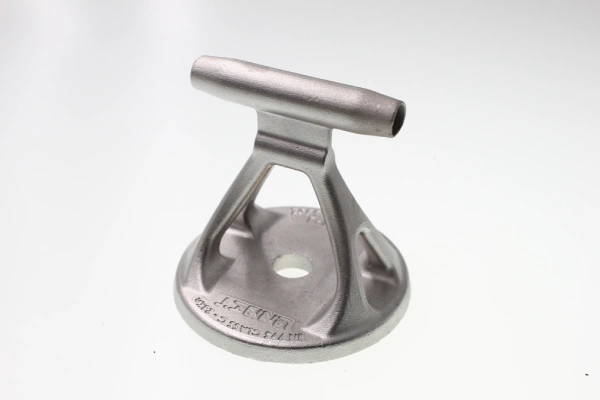
Artificial Aging
Electropolishing is an electrochemical surface finishing process that selectively dissolves microscopic protrusions on the surface of metal castings, rendering them exceptionally smooth and lustrous to achieve a near-mirror finish.
It efficiently removes oxide layers and embedded impurities, significantly enhancing the corrosion resistance of materials like stainless steel while eliminating minor surface imperfections.
This technique is particularly suited for medical devices, food processing equipment, and highly decorative components where stringent requirements exist for cleanliness, corrosion resistance, and reflectivity.
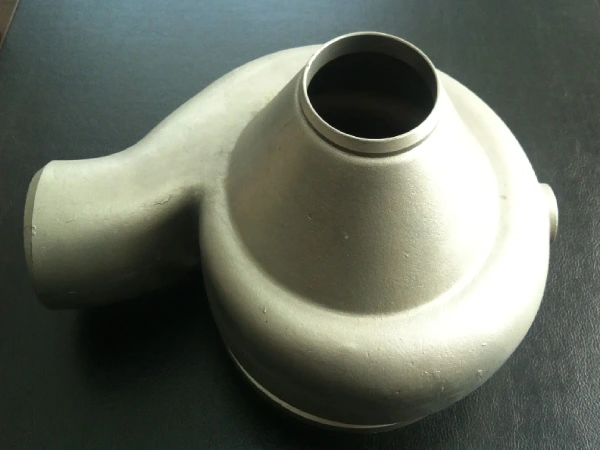
Stabilization Treatment
Chromate conversion coating is a corrosion-resistant process that forms a chemical conversion film on non-ferrous metal castings such as aluminum and zinc. It creates a protective layer containing chromium compounds on the casting surface, significantly enhancing the substrate's corrosion resistance and providing an excellent foundation for paint adhesion. Traditional hexavalent chromium treatment delivers outstanding results but is increasingly being replaced by more environmentally friendly trivalent chromium or chromium-free conversion technologies. This process remains a critical step in pre-painting surface preparation.
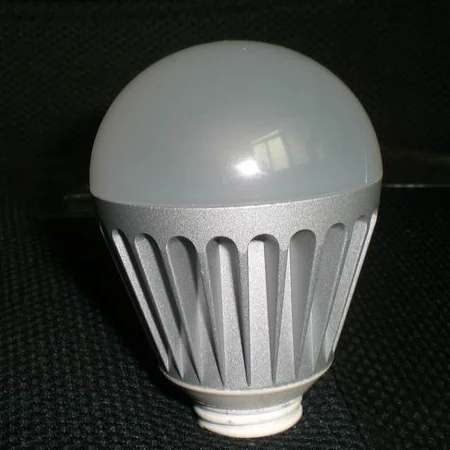
Solution Treatment
Anodizing is an electrochemical treatment applied to castings of lightweight metals such as aluminum and magnesium. It generates a dense, hard ceramic layer of aluminum oxide directly on the surface, significantly enhancing the part's corrosion resistance, wear resistance, and electrical insulation properties.
Additionally, it can achieve a wide range of decorative colors through dye adsorption.
This process is particularly suitable for applications requiring both functional performance and aesthetic appeal, such as precision components or decorative parts.
Get an Ex-Factory Quote?
- Send product design.
- Tell me about your ideas and needs.
- Sign the contract & NDA.
- On time delivery of high quality casting parts.
 English
 Français
 Deutsch
 Italiano
 日本語
日本語 한국어
한국어 Polski
 Português de Angola
 Русский
 Español de Argentina