
Custom Metal casting parts surface treatment services
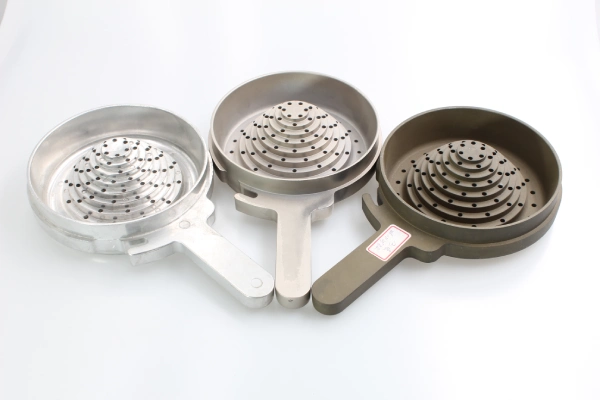
Custom odlewanie metali Surface treatment fundamentally aims to comprehensively enhance their overall performance and value by applying coatings or altering surface conditions. Key functions include:
– Enhancing corrosion and wear resistance to extend service life;
– Improving decorative appearance to elevate product grade and distinctiveness;
– Providing specialized functions (e.g., conductivity, insulation);
– Delivering an optimal substrate for subsequent painting to ensure coating adhesion.
Its essence lies in achieving a unified balance of protection, aesthetics, and functionality.
Supro Metal Foundry delivers comprehensive, one-stop surface treatment solutions for metal castings, encompassing all mainstream processes from mechanical cleaning and chemical conversion to advanced plating and decorative finishes. Beyond our specialized processing capabilities, we provide precise technical selection guidance and process optimization services tailored to casting materials, intended applications, and cost considerations. This ensures each product achieves the optimal balance of performance, aesthetics, and reliability.
Supro provides odlewanie precyzyjne with integrated surface finishing.
Mechanical Treatment
Chemical Treatments
Coating Additions
Printing & Marking
Piaskowanie
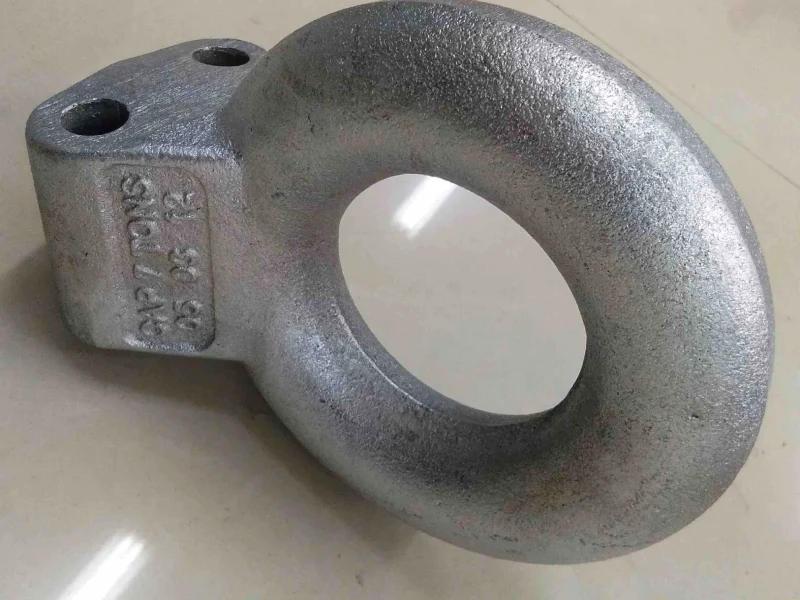
Piaskowanie służy jako kluczowy pierwszy etap usuwania zgorzeliny obróbki cieplnej, czarnej skóry odlewniczej oraz żużla spawalniczego. Zapewnia ono jednorodne podłoże do późniejszego wytrawiania kwasowego i pasywacji, gwarantując jakość warstwy pasywacyjnej. Powszechnymi ścierniwami są elektrokorund zwykły lub śrut ze stali nierdzewnej.
Piaskowanie to standardowa metoda przygotowania powierzchni, służąca do usuwania resztek środków antyadhezyjnych, warstw tlenków oraz drobnych zadziorów, przy jednoczesnym uzyskaniu jednolitego, matowego wykończenia.
Shot Blasting
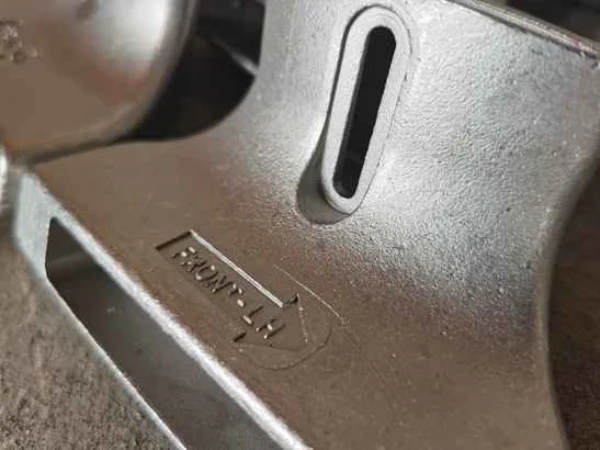
Śrutowanie jest kluczową techniką obróbki pozalewowej odlewów metalowych. Jego podstawowe funkcje obejmują: dokładne usuwanie piasku formierskiego, zendry i zanieczyszczeń z powierzchni odlewów; krytyczne wzmacnianie poprzez wytworzenie warstwy naprężeń ściskających szczątkowych w wyniku uderzenia śrutu o dużej prędkości, co znacznie zwiększa wytrzymałość zmęczeniową i odporność na korozję naprężeniową; oraz przygotowanie powierzchni poprzez eliminację zadziorów i wypływek w celu uzyskania jednolitego, spójnego matowego wykończenia, które zapewnia doskonałą przyczepność dla kolejnych powłok malarskich lub galwanicznych. Łącząc oczyszczanie, wzmacnianie i przygotowanie w jeden proces, stanowi ono kluczowy krok w poprawie jakości wewnętrznej, niezawodności i wyglądu odlewów.
Mirror Polishing
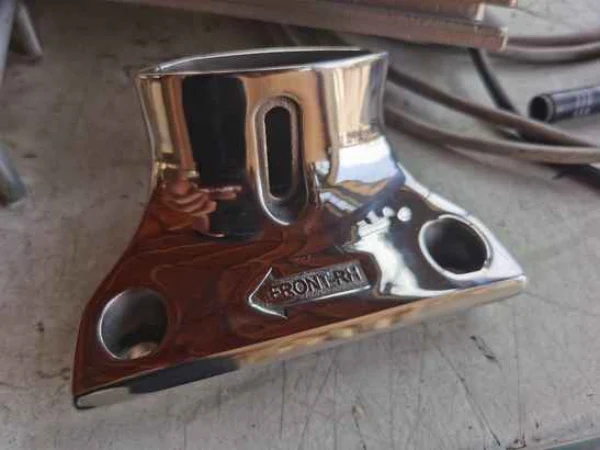
Polerowanie na lustro reprezentuje najwyższy poziom wykończenia powierzchni odlewów metalowych. Jego główna funkcja polega na uzyskaniu wyjątkowo gładkiej, wysoce refleksyjnej powierzchni lustrzanej, co znacznie podnosi walory wizualne, połysk oraz luksusowy charakter produktu. Proces ten spełnia wymagania dekoracji z wyższej półki oraz zastosowań o rygorystycznych wymaganiach estetycznych (takich jak wyroby rzemieślnicze, armatura łazienkowa klasy premium i komponenty precyzyjne). Ponadto bardzo niska chropowatość powierzchni zmniejsza opory tarcia, ułatwia czyszczenie oraz zwiększa odporność na zabrudzenia.
Brushed Polishing
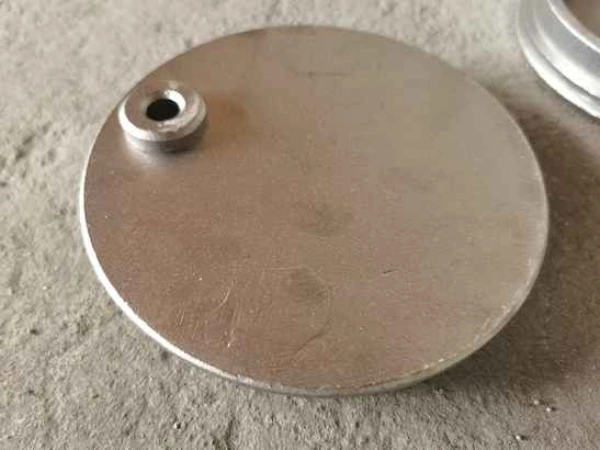
Szczotkowanie to proces dekoracyjny, który tworzy delikatne, jednokierunkowe faktury na powierzchni odlewów metalowych. Jego główną funkcją jest nadanie unikalnej, matowej faktury o nitkowatym wzorze, która skutecznie poprawia wygląd i ukrywa drobne niedoskonałości odlewu. Ponadto szczotkowane powierzchnie cechują się lepszą odpornością na zużycie i zarysowania, a także są odporne na odciski palców, łącząc w sobie walory dekoracyjne i praktyczną funkcjonalność.
Vibratory Polishing
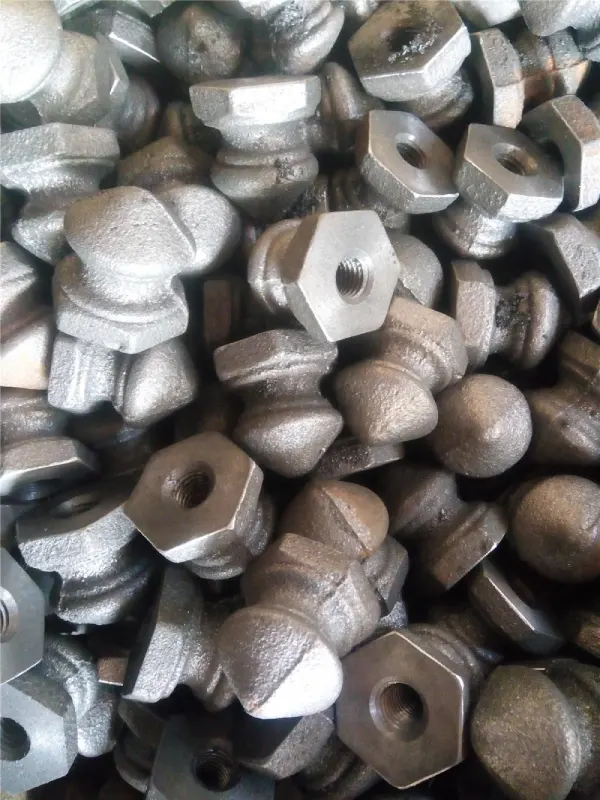
Obróbka wykończeniowa w wibratorach masowych zapewnia delikatne, seryjne wykończenie powierzchni poprzez wywoływanie ciągłego tarcia między materiałem ściernym a odlewami za pomocą wibracji. Jej główną funkcją jest wydajne usuwanie zadziorów i zaokrąglanie ostrych krawędzi przy jednoczesnym utworzeniu jednolitej, drobnej matowej powierzchni, co znacznie poprawia wrażenia dotykowe i bezpieczeństwo części. Proces ten jest szczególnie odpowiedni do obróbki małych odlewów o złożonych strukturach, zapewniając powtarzalne wyniki wykończeniowe przy zachowaniu dokładności wymiarowej.
Acid Pickling and Passivation
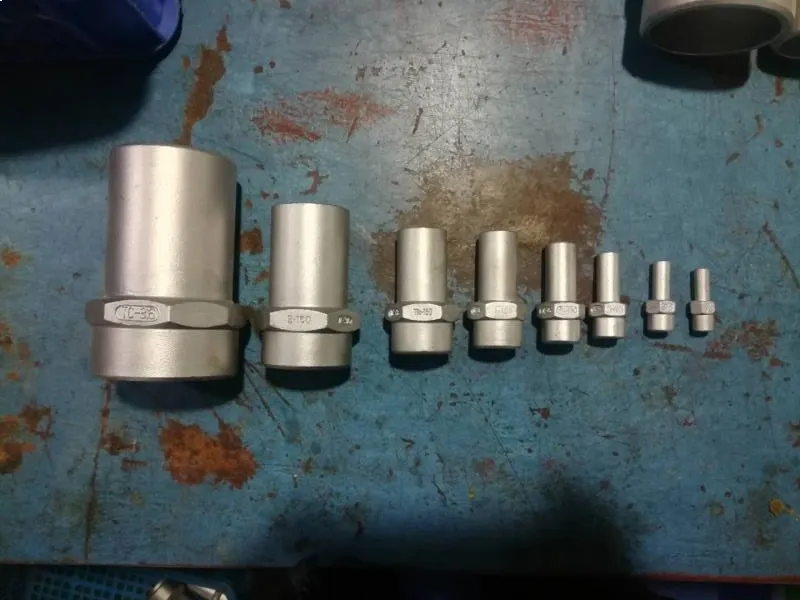
Trawienie i pasywacja to połączony proces chemicznej obróbki powierzchni odlewów ze stali nierdzewnej.
Trawienie kwasowe rozpuszcza zendrę, rdzę i zanieczyszczenia powierzchniowe za pomocą roztworów kwasów, aby oczyścić podłoże i odsłonić świeży metal. Pasywacja, przeprowadzana po trawieniu kwasowym, wykorzystuje medium utleniające do utworzenia gęstej, jednolitej warstwy pasywacyjnej bogatej w chrom na powierzchni.
Procesy te mają na celu pełne przywrócenie i znaczne zwiększenie własnej odporności na korozję odlewów ze stali nierdzewnej, stanowiąc kluczowy proces zapewniający ich długoterminową i stabilną żywotność.
Electropolishing
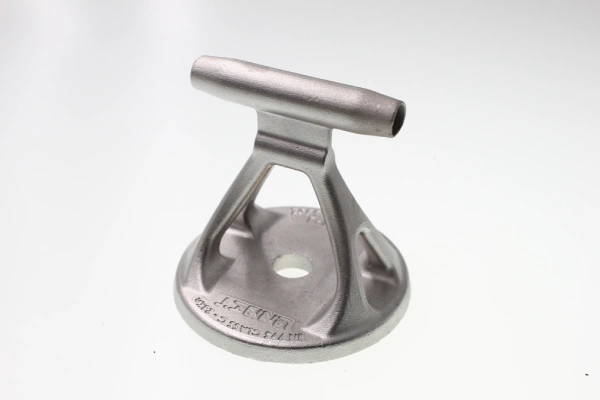
Elektropolerowanie to elektrochemiczny proces wykańczania powierzchni, który selektywnie rozpuszcza mikroskopijne nierówności na powierzchni odlewów metalowych, czyniąc je wyjątkowo gładkimi i lśniącymi, aby uzyskać wykończenie zbliżone do lustrzanego.
Skutecznie usuwa warstwy tlenków i osadzone zanieczyszczenia, znacząco zwiększając odporność na korozję materiałów takich jak stal nierdzewna, jednocześnie eliminując drobne niedoskonałości powierzchni.
Ta technika szczególnie dobrze sprawdza się w przypadku wyrobów medycznych, urządzeń do przetwórstwa żywności oraz elementów o wysokich walorach dekoracyjnych, w stosunku do których obowiązują rygorystyczne wymagania dotyczące czystości, odporności na korozję i współczynnika odbicia światła.
Chromate Conversion
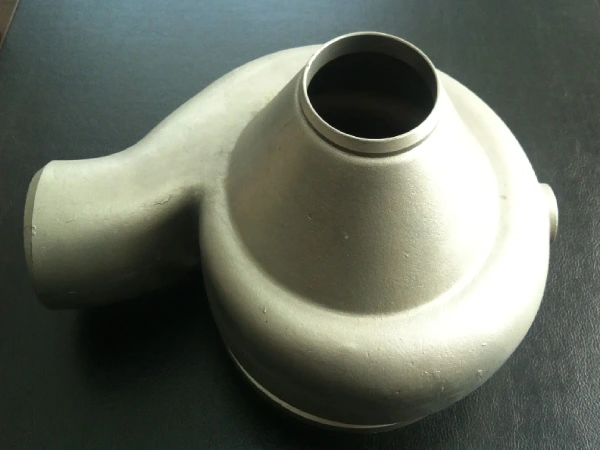
Powłoka konwersyjna na bazie chromianów to proces odporny na korozję, który tworzy chemiczną warstwę konwersyjną na odlewach z metali nieżelaznych, takich jak aluminium i cynk. Tworzy ona na powierzchni odlewu warstwę ochronną zawierającą związki chromu, co znacznie zwiększa odporność podłoża na korozję i stanowi doskonały podkład pod przyczepność farby. Tradycyjna obróbka trwartościowym chromem szóstowartościowym daje wyśmienite rezultaty, ale jest coraz częściej zastępowana bardziej przyjaznymi dla środowiska technologiami konwersyjnymi opartymi na chromie trójwartościowym lub bezchromowymi. Proces ten pozostaje kluczowym etapem przygotowania powierzchni przed malowaniem.
Anodizing
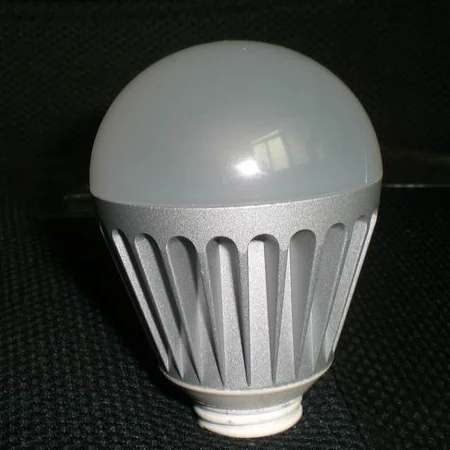
Anodowanie to obróbka elektrochemiczna stosowana do odlewów z metali lekkich, takich jak aluminium i magnez. Tworzy ona gęstą, twardą ceramiczną warstwę tlenku glinu bezpośrednio na powierzchni, znacznie zwiększając odporność części na korozję, odporność na zużycie oraz właściwości izolacji elektrycznej.
Ponadto może uzyskać szeroką gamę kolorów dekoracyjnych poprzez adsorpcję barwnika.
Ten proces jest szczególnie odpowiedni do zastosowań wymagających zarówno wydajności funkcjonalnej, jak i walorów estetycznych, takich jak elementy precyzyjne czy części dekoracyjne.
Powder Coating
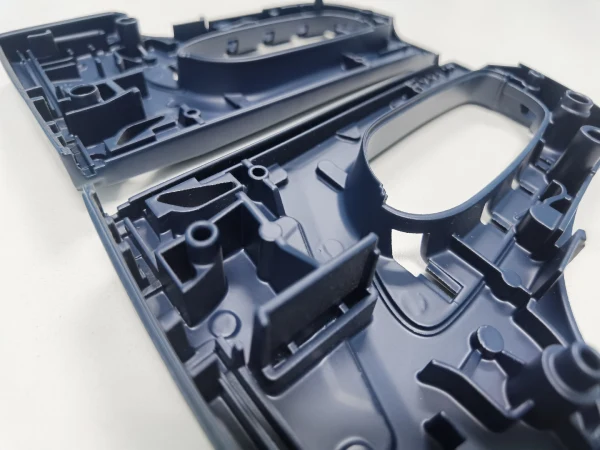
Powder coating provides dense, durable organic coatings for metal castings, particularly aluminum alloys. Through electrostatic adhesion and high-temperature curing, it forms a highly adhesive protective film that delivers exceptional corrosion resistance, abrasion resistance, and weatherability.
Offering a wide range of color options, uniform coating thickness, and the ability to apply thick layers, this solvent-free process is environmentally friendly and highly efficient. It stands as a mainstream industrial surface treatment technology that balances protection with aesthetic appeal.
ChromePlating
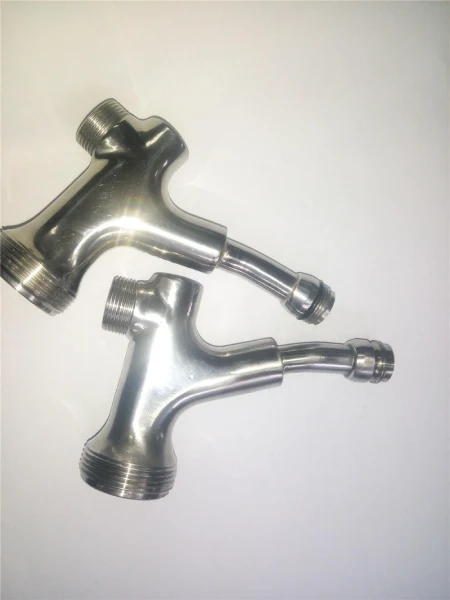
Electroplating chromium deposits a layer of hard chrome coating onto the surface of metal castings. It delivers exceptional surface hardness and outstanding wear resistance while imparting a signature mirror-like silver-white luster, combining decorative appeal with functional protection. Widely used on components requiring both wear resistance and corrosion resistance alongside aesthetic appeal, such as bathroom hardware, molds, and automotive parts.
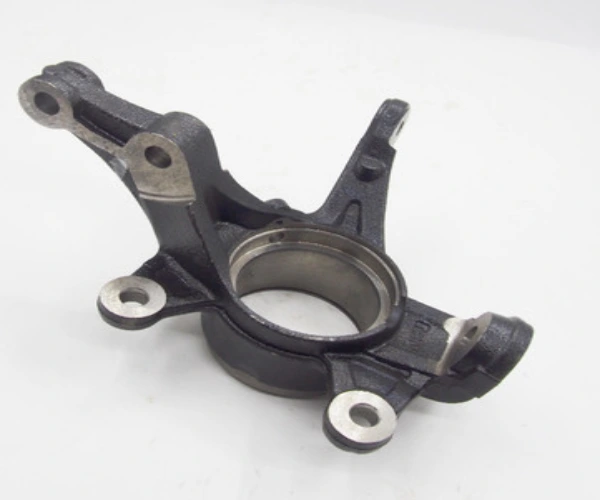
Titanium Plating
Electroplating titanium technology deposits titanium alloy coatings (such as titanium nitride and titanium carbide) onto metal castings in a vacuum environment.
This process endows castings with ultra-high surface hardness, exceptional wear resistance, outstanding corrosion resistance, and rich decorative colors (such as gold and gunmetal black). It also offers environmental benefits and is widely used in high-end decorative hardware and functional components.
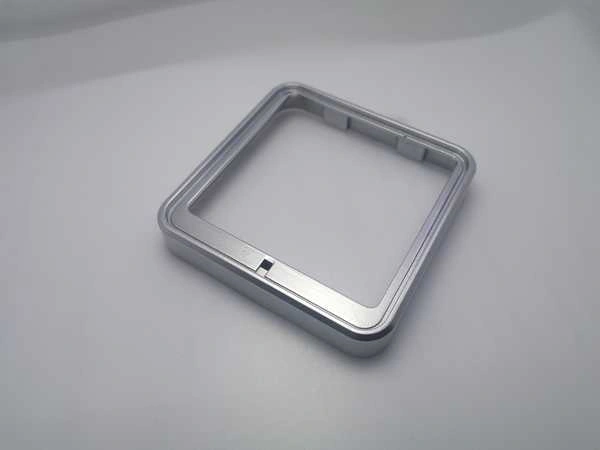
Nickel Plating
Electroplating nickel serves as the core protective and functional plating process for metal castings. It deposits a layer of nickel metal on the surface, providing excellent corrosion resistance and wear resistance to form a fundamental protective barrier. Simultaneously, its bright and attractive appearance allows it to serve directly as a decorative layer.
More commonly, it functions as a base layer for subsequent coatings like chrome or gold plating. This enhances the overall coating's adhesion, corrosion resistance, and decorative effect while reducing costs. Modern trends also favor environmentally friendly electroless nickel plating technology.
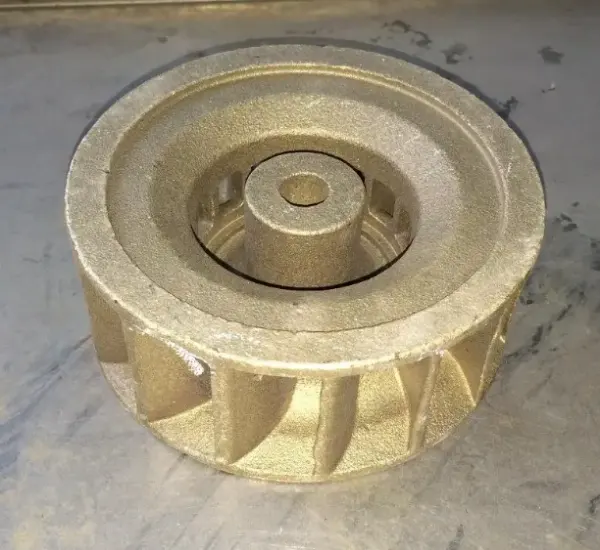
Zinc Plating
Electrogalvanizing is a core process providing cost-effective corrosion protection for steel castings. It forms a zinc coating on the surface that, through the principle of cathodic protection via a sacrificial anode, continues to shield the substrate from rust even if the coating is locally damaged.
Typically combined with passivation treatment to enhance corrosion resistance and achieve various colors (such as blue-white, multicolored, or black), it is widely used for standard parts, structural components, and fasteners where cost sensitivity and reliable corrosion protection are required.
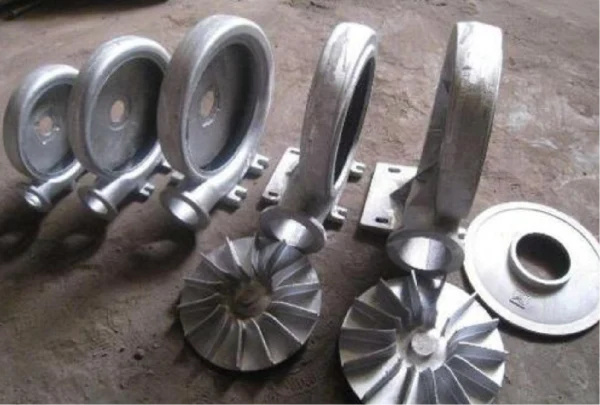
Hot-Dip Galvanizing
Hot-dip galvanizing involves immersing steel castings in molten zinc to form a thick, metallurgically bonded zinc-iron alloy coating on their surfaces. This process provides exceptionally superior long-term corrosion protection for castings, particularly suited for structural components and large castings in outdoor or harsh environments.
The coating exhibits high hardness, excellent wear resistance, and self-healing properties, though it may alter dimensional accuracy of the casting.
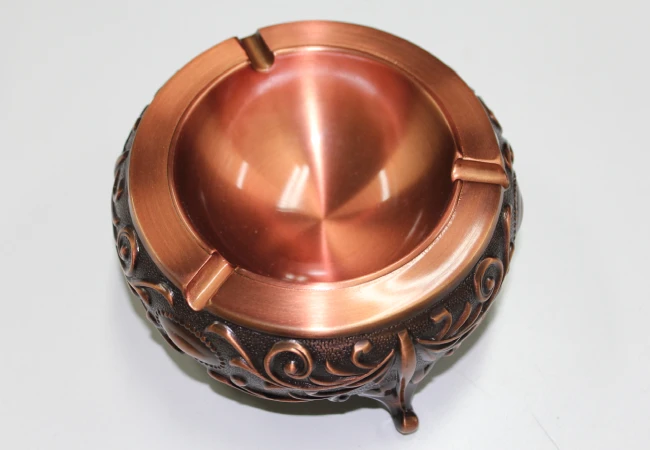
Ceramic Coating
Ceramic coatings are applied to metal castings through thermal spraying and other techniques, forming high-melting-point inorganic protective layers on their surfaces. These coatings impart exceptional hardness, outstanding wear resistance, superior high-temperature oxidation resistance, and corrosion resistance to castings, while also providing excellent electrical insulation.
This process is specifically designed to address wear, high-temperature, and corrosion challenges in extreme operating conditions, finding widespread application in high-performance components across aerospace, energy, and chemical industries.
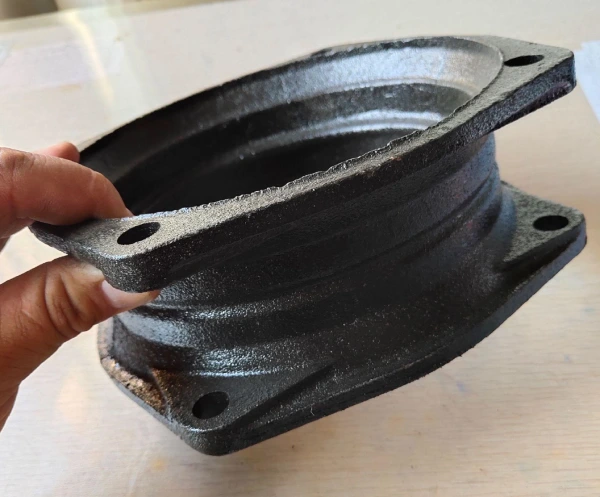
Paint Spraying
Spray painting is a traditional method for applying liquid organic coatings to metal castings, forming a coating through techniques such as brushing or spraying. Its primary functions are to provide flexible color decoration and basic corrosion protection for castings, making it particularly suitable for complex shapes, small-batch production, or on-site repairs. While this process is relatively low-cost, the coating's durability and environmental performance (including VOC content) typically fall short of modern techniques like powder coating.
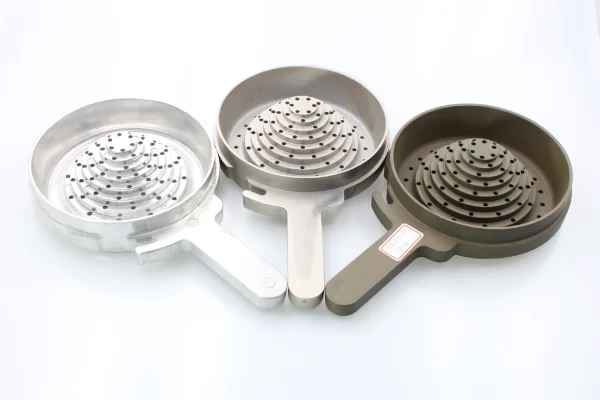
PVD (Physical Vapor Deposition)
Physical Vapor Deposition (PVD) is an advanced technology that deposits ultra-thin ceramic or metallic coatings onto the surfaces of metal castings within a vacuum environment. This process imparts exceptionally high surface hardness (such as titanium nitride coatings), outstanding wear and corrosion resistance, and enables a wide range of decorative colors (such as gold and rose gold).
Environmentally friendly and offering superior performance, PVD is widely used for high-end decorative components, precision cutting tools, and wear-resistant parts.
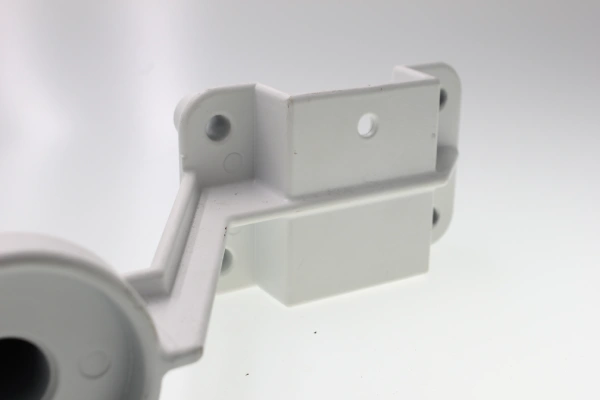
Teflon
Teflon® (polytetrafluoroethylene PTFE) coating provides metal castings with exceptional chemical inertness and extremely low surface energy. It imparts outstanding nonstick properties, low friction coefficients, and excellent chemical resistance to surfaces, while also offering good electrical insulation and high-temperature resistance. It is primarily used in applications requiring anti-adhesion, easy cleaning, and friction reduction, such as food processing molds, chemical valves, and sliding components.
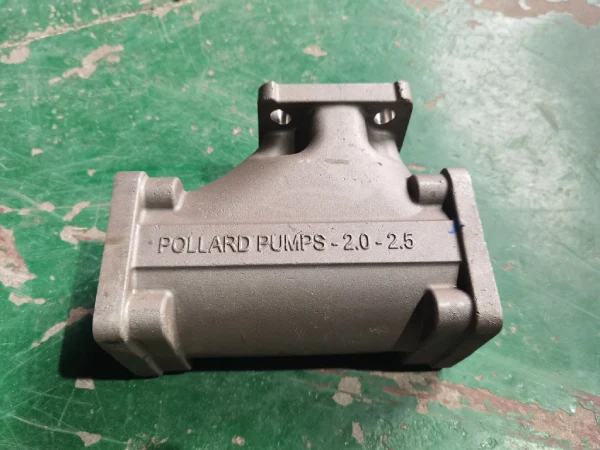
Laser Marking
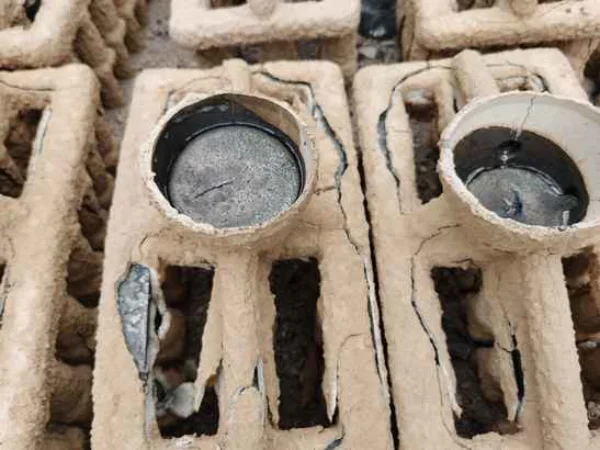
Silica sol investment casting is a casting process that is widely used in stainless steel and alloy steel casting parts. Silica sol is used as a binder to build a ceramic shell on the outer surface of the wax mold. It has the characteristics of high precision (CT4~CT6) and good surface finish. The foundry field plays an important role.
Supro MFG is a professional investment casting companies, we utilize silica sol casting for casting parts such as high temperature heat resistant alloys, heat resistant steels, stainless steels, carbon steels, low alloys, aluminum alloys and copper alloys.
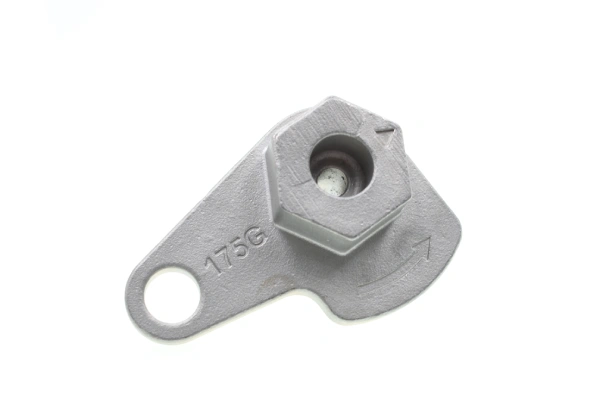
Screen Printing
Screen printing is a decorative process that transfers ink onto the surface of metal castings through a mesh stencil. It efficiently produces clear flat patterns, text, and logos, excelling particularly in multicolor and gradient effects. This method offers low cost and high adaptability.
However, the coating's abrasion resistance is limited, making it primarily suitable for non-high-wear areas requiring visual communication, such as product branding, operating instructions, and decorative panels.
Pad Printing
Pad printing is a printing technique that transfers ink onto irregular surfaces of metal castings via a silicone pad. It enables precise printing of intricate patterns, text, and complex logos on uneven surfaces, edges, and corners, overcoming the limitations of flat printing.
This flexible process is ideal for small-batch, multi-variety marking requirements, serving as a practical solution for branding and decoration on complex-shaped castings.
Water Transfer Printing
Water transfer printing is a decorative process that transfers colored patterns onto metal castings via water-soluble films. It creates continuous simulated textures (such as wood grain, camouflage, and marble patterns) on complex three-dimensional surfaces, achieving unique decorative effects.
Suitable for castings requiring personalized aesthetics—such as automotive interior components, electronic device housings, and sports equipment—this coating offers limited abrasion resistance and primarily serves as a decorative finish.
Sticker labels
Sticker labels provide an economical and flexible temporary solution for information identification and decoration on metal castings. They clearly display product models, specifications, brand logos, or operating instructions through adhesion, facilitating production management and user recognition.
Characterized by low cost, easy replacement, and diverse visual effects, they offer limited abrasion resistance and durability. These labels are suitable for non-critical casting surfaces subject to non-contact wear or short-term display.
Get an Ex-Factory Quote?
- Prześlij projekt produktu.
- Opowiedz mi o swoich pomysłach i potrzebach.
- Podpisz umowę i NDA.
- Terminowa dostawa wysokiej wysokiej jakości odlewy części.
 English
 Français
 Deutsch
 Italiano
 日本語
日本語 한국어
한국어 Polski
 Português de Angola
 Русский
 Español de Argentina