
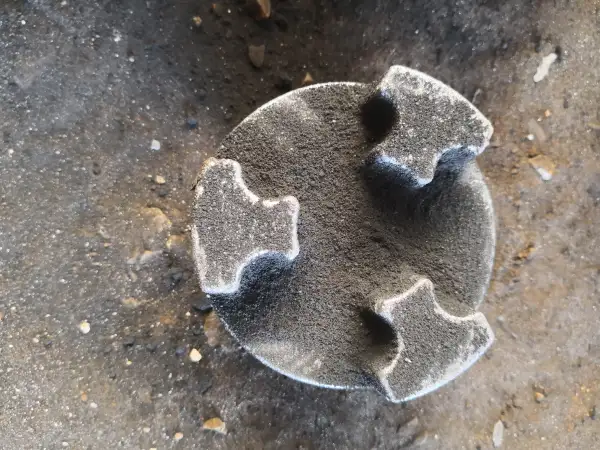
Due to its process flexibility and cost advantages, sand casting is widely used in the production of automotive aluminum alloy chassis structural components. However, during service, these components are exposed to harsh corrosive environments—including road de-icing salts, moisture, and impacts from gravel—making it essential to systematically develop corrosion resistance strategies. This paper systematically analyzes the formation mechanisms of pitting corrosion, intergranular corrosion, and stress corrosion cracking; it outlines a comprehensive process approach that includes reducing surface defects by optimizing the sand casting surface finish, eliminating residual stresses through T7 over-aging during sand casting heat treatment, and establishing a multi-layer protective coating system using shot blasting and electrophoretic coating. The following sections will provide a detailed breakdown of the key control parameters for each process step.
Sand Casting Environmental Degradation Mechanics in Automotive Underchassis Parts
Automotive chassis components produced via aluminum sand casting are exposed to harsh environmental conditions, including road de-icing salts, moisture, and gravel impact. When liquid electrolytes penetrate surface microporosity, localized electrochemical microcells form, accelerating localized pitting and intergranular corrosion in critical load-bearing areas. Furthermore, if tensile residual stresses in structural sand casting parts are not effectively relieved while the parts are subjected to dynamic road vibrations, they become more susceptible to stress corrosion cracking. Understanding these environmental degradation mechanisms allows for the optimization of alloy composition, mold wall compaction, and traitement thermique processes. Controlling these degradation mechanisms ensures that structural suspension brackets and control arms maintain their mechanical integrity throughout their long service life.
Pitting Corrosion Mechanics in Porous Cast Surfaces
Microporosity on the surface of sand casting parts acts as an electrolyte trap, thereby accelerating localized pitting corrosion in the underbody environment. When de-icing salt flows over the rough surface of the parts, retained chloride solution accumulates in the surface microporosity, destroying the natural aluminum oxide passivation film. Therefore, improving the compaction of sand casting molds can reduce the size of surface microvoids, thereby preventing the retention of electrolytes in localized areas. At the same time, minimizing the density of surface voids helps maintain mechanical load-bearing capacity while preventing the premature development of fatigue cracks.
Intergranular Corrosion Hazards in Copper-Bearing Aluminum Alloys
The use of copper-containing alloys in aluminum sand casting chassis applications increases the risk of severe intergranular corrosion. Copper segregation at grain boundaries creates a significant electrochemical potential difference between CuAl₂ precipitates and the adjacent aluminum matrix. In marine environments and under road salting conditions, this micro-electrochemical action selectively corrodes grain boundaries, thereby weakening the strength of the structural cross-section. Intergranular corrosion testing conducted in accordance with the ASTM G110 standard can quantify the depth of grain boundary corrosion in castings. Therefore, maintaining a low copper impurity content prevents intergranular corrosion, thereby ensuring the structural integrity of the chassis.
Stress Corrosion Cracking under Dynamic Chassis Loads
Sand-cast parts located beneath the chassis may experience sudden stress corrosion cracking if exposed to a corrosive environment after being subjected to continuous road stresses. Residual tensile stresses generated by rapid cooling, when combined with chlorides in the environment, can initiate sharp microcracks at grain boundaries. Stress corrosion susceptibility was evaluated by subjecting C-ring specimens to constant mechanical strain in a salt spray test chamber. The results indicate that a stress-relief thermal cycling treatment helps redistribute internal stresses across the complex mounting bosses.
Mold and Foundry Controls to Optimize Sand Casting Surface Finish
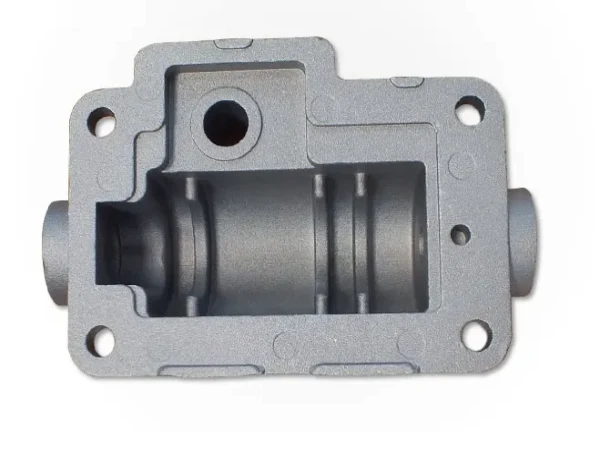
By precisely controlling the sand casting surface finish to achieve a smooth, dense surface structure, localized corrosion traps on chassis components can be prevented. The use of fine-grained refractory sand, high-pressure mold sand compaction, and a specialized zirconium-based coating minimizes defects in the reaction layer between the metal and the sand. Additionally, controlling the pouring flow pattern prevents molten metal spatter and oxide film inclusions during cavity filling. Producing sand-cast parts with smooth surfaces reduces the need for mechanical surface preparation prior to applying corrosion-resistant barrier coatings. By implementing these rigorous casting process controls, suspension structural components can meet strict appearance and dimensional tolerance requirements while also delivering exceptional corrosion resistance.
Fine Grain Sand Selection and Refractory Mold Coatings
The first step in optimizing the sand casting surface finish is to select sand with a high AFS fineness rating and combine it with a refractory coating. Using finer silica sand or zirconia sand (AFS 55–70) reduces the voids between particles at the interface between the mold and the metal, thereby preventing molten metal from seeping into the mold walls. Applying a zirconia-based refractory coating to the surfaces of the core and mold cavity creates a dense thermal barrier during the sand casting process. A surface roughness tester can verify that the Ra value of the finished casting is less than 12.5 micrometers. Consequently, the smooth mold interface eliminates the rough surface texture that can cause localized electrolyte retention and pitting.
Compactability Control to Eliminate Surface Micro-Voids
By increasing the mold wall hardness to 85 B or higher, the compactability of the sand mold can be directly improved, thereby enhancing the final surface finish of sand casting parts. The automated green sand system controls the moisture content between 3.2% and 3.8% to optimize clay bonding and sand compressibility during the high-pressure extrusion process. High mold hardness resists the hydrostatic pressure of molten iron during solidification, preventing mold wall displacement and localized surface roughness. By measuring the mold hardness in deep cavities before closing the mold, dense sand compaction eliminates microscopic voids, thereby preventing the accumulation of salt spray electrolytes on sand-cast parts beneath the chassis.
Ingate Velocity Reduction to Avoid Surface Oxidation
Controlling the flow of molten metal during the aluminum sand casting process can prevent molten metal splatter and the formation of oxide inclusions on the surfaces of components located beneath the base plate. Ceramic foam filter screens and flared runners can control the gate flow velocity to less than 0.5 meters per second, as low-velocity filling ensures that a continuous layer of alumina remains at the leading edge of the molten metal as it rises smoothly within the mold cavity. Non-destructive testing using penetrant inspection is performed on the surfaces of sand-cast parts to confirm the absence of folded slag inclusions. Ultimately, laminar filling results in clean, smooth surfaces, thereby optimizing the adhesion of anti-corrosion coatings.
Sand Casting Heat Treatment and Metallurgical Phase Stabilization
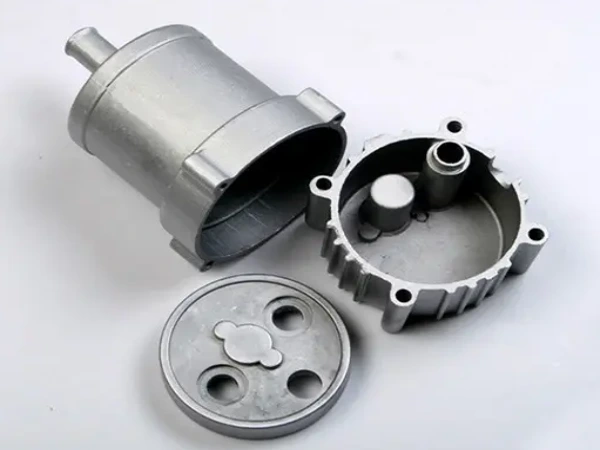
Specialized sand casting heat treatment of chassis components is critical for stabilizing the metal phase and enhancing environmental durability. Heat treatment ensures uniform distribution of solute elements, transforms sharp eutectic silicon needle-like crystals into rounded grains, and redistributes internal stresses caused by uneven mold cooling. By controlling melt temperature, quenching intensity, and artificial aging parameters, both mechanical strength and corrosion resistance can be optimized simultaneously. These heat treatment processes ensure that structural sand casting parts maintain long-term structural stability even when exposed to severe corrosion from road de-icing agents. Ultimately, phase stabilization prevents micro-electrochemical corrosion and protects the vehicle suspension throughout its service life.
Eutectic Silicon Spheroidization via Solution Treatment
Heat treating solvent sand casting parts at 535°C converts the coarse, needle-like eutectic silicon in the matrix into fine, spherical silicon particles. Spheroidization treatment eliminates sharp silicon needle tips, as these tips act as stress concentration points for internal micro-notches and as initiation sites for electrochemical corrosion. By holding the castings at temperature for 6 to 12 hours prior to quenching in warm water, solute elements are locked into the supersaturated solid solution. The aspect ratio of the silicon particles is then evaluated by examining cross-sections under an optical microscope to verify that spheroidization is complete. Consequently, the rounded silicon particles significantly improve the mechanical impact toughness and intergranular corrosion resistance of aluminum sand castings.
T7 Overaging Treatment to Prevent Stress Corrosion Cracking
In the sand casting heat treatment process, selecting T7 aging treatment instead of the standard T6 aging treatment—while resulting in a very slight reduction in peak hardness—significantly improves resistance to stress corrosion cracking. Over-aging treatment results in the uniform precipitation of equilibrium Mg₂Si phases within the aluminum matrix, thereby eliminating continuous solute bands at grain boundaries. This is because these solute bands can cause intergranular spalling in structural sand casting parts when exposed to harsh saline environments.
Thermal Temper | Solution & Aging Parameters | Yield Strength (MPa) | Stress Corrosion & Exfoliation Resistance | Primary Vehicle Application |
T6 (Peak Aged) | 535℃Solution + 155℃Aging (8–12h) | High (220–260MPa) | Moderate; susceptible to stress corrosion under salt spray | Interior structural brackets, housing shells |
T7 (Overaged) | 535℃Solution + 200℃Aging (4–8h) | Slight Drop (190–220 MPa) | Superior; immune to intergranular exfoliation and SCC | Underchassis control arms, suspension knuckles |
Residual Thermal Stress Relief to Avoid Localized Attack
Controlling the temperature gradient during the sand casting heat treatment process can eliminate high residual tensile stresses within the complex internal geometry of the chassis. Rapid water quenching following solution treatment creates localized stress imbalances between thin-walled sections and thick mounting tabs, thereby forming initial anodic corrosion pathways. The use of controlled polymer quenching agents or hot water baths (60–80°C) minimizes thermal shock during quenching while preventing premature phase precipitation. Stress-relief measurements confirm that peak residual internal stresses at critical mounting locations can be significantly reduced. Consequently, aluminum sand casting parts that have undergone stress-relief treatment are able to resist localized stress corrosion cracking when subjected to the heavy dynamic loads of the suspension system.
Post-Cast Surface Treatments and Pre-Finishing Workflows for Aluminum Sand Casting
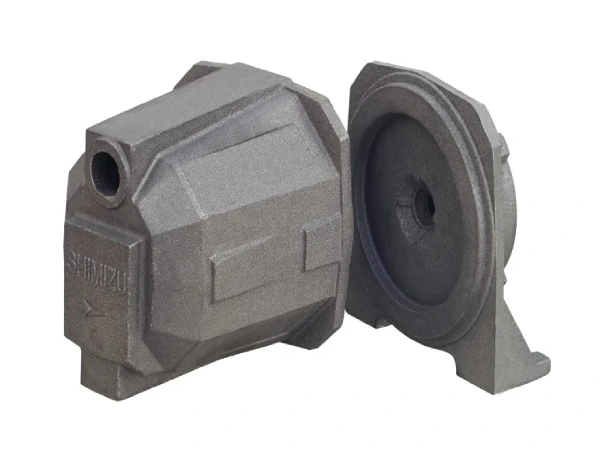
Implementing an automated post-casting finishing process on structural aluminum sand casting components ensures optimal corrosion resistance and exceptional surface durability. After the rough castings undergo sand vibration removal, the parts are treated with stainless steel shot blasting to remove residual molding sand and induce surface compressive stress. In addition, the application of a zirconium-based chemical conversion coating creates an ideal substrate for the subsequent cathodic electrodeposition (KTL) process. These multi-stage surface treatment processes protect critical sand-cast parts from the effects of corrosive road salt and gravel impact. By combining mechanical cleaning with advanced chemical pretreatment, complex underbody components can meet the stringent requirements of automotive original equipment manufacturers (OEMs) regarding service life and salt spray testing.
Shot Peening and Mechanical Pre-Cleaning Standards
Mechanical shot blasting of sand casting parts not only removes residual sand, but also induces beneficial compressive stress on the surface. By using S230 stainless steel shot or glass beads in an automatic drum shot blasting cabinet, a uniform Almann strength of 0.15–0.20 A is achieved. This mechanical shot blasting process cleans deep grooves and seals microscopic surface pores that could trap moisture beneath the vehicle chassis. Measurements taken with a surface roughness meter confirm that the refined sand casting surface finish parts meets the adhesion standards required for subsequent coatings. Consequently, shot blasting not only increases surface hardness but also delays the formation of fatigue cracks under severe operational vibration conditions.
Chemical Conversion Coatings and E-Coating Adhesion
Applying a chromium-free zirconium-titanium conversion coating to aluminum sand casting components provides a corrosion-resistant undercoat for cathodic dip coating (KTL). This nanoscale conversion coating enhances the mechanical adhesion of the paint, enabling electrophoretic-coated parts to withstand over 1,000 hours of neutral salt spray (NSS) testing in accordance with ISO 9227 without the paint blistering. At the same time, the pH and temperature of the chemical bath must be continuously monitored to ensure uniform passivation throughout the complex internal channels. While chemical pretreatment provides excellent barrier protection, maintaining precise dimensional stability during the high-temperature electrophoretic coating curing process requires the use of specialized [Sand Casting Distortion Prevention in Thin-Walled Automotive Aluminum Components] technology.
Quality Verification via Accelerated Salt Spray Testing
To verify the performance of the protective coating on aluminum sand casting undercarriage components, rigorous accelerated corrosion chamber testing must be conducted. Technicians place scratched test specimens into a salt spray test chamber and conduct continuous testing for up to 1,500 hours under conditions of 35°C and a 5% sodium chloride solution. Quality inspectors measure the creep distance of the paint film along the cross-hatch scratches to confirm compliance with the automotive original equipment manufacturer’s (OEM) stringent corrosion resistance specifications. Additionally, thermal cycling tests ensure that the post-casting heat treatment and surface coatings of the sand-cast parts do not peel off under thermal shock. Ultimately, certified salt spray test performance guarantees the long-term durability of suspension components in real-world driving conditions.
À la recherche d'une fonderie de métaux fiable en Chine ?
- We can help you optimize product design et de réduire les coûts.
- Nous pouvons vous aider avec une haute qualité et un grand volume pièces moulées.
- Nous pouvons livrer à temps et obtenir de nouvelles opportunités de marché.
- Vous bénéficierez de Supro MFG fonderie de métaux service.
Contact Supro MFG
This paper systematically analyzes the degradation mechanisms of sand casting automotive chassis components under conditions such as exposure to de-icing salt and impact from gravel, and identifies the structural risks associated with pitting corrosion, intergranular corrosion, and stress corrosion cracking. By optimizing the sand casting surface finish,components, surface electrolyte traps can be reduced at the source; simultaneously, combining T7 over-aging with stress relief during heat treatment can stabilize the metallurgical phases and enhance resistance to stress corrosion. After casting, aluminum sand casting components undergo shot blasting, conversion coating, and electrophoretic coating to form a dense protective barrier. Empirical validation demonstrates that this comprehensive process strategy enables sand casting parts to remain intact during a 1,500-hour salt spray test.
With 25 years of casting experience and IATF 16949 certification, Supro MFG provides one-stop solutions ranging from casting and heat treatment to surface treatment. The company delivers high-durability chassis castings in bulk to global OEMs and continues to drive green and digital upgrades, providing reliable assurance for lightweight chassis systems operating in harsh environments.
 English
 Français
 Deutsch
 Italiano
 日本語
日本語 한국어
한국어 Polski
 Português de Angola
 Русский
 Español de Argentina